Top 10 Aftermarket Excavator Tracks You Need to Consider?
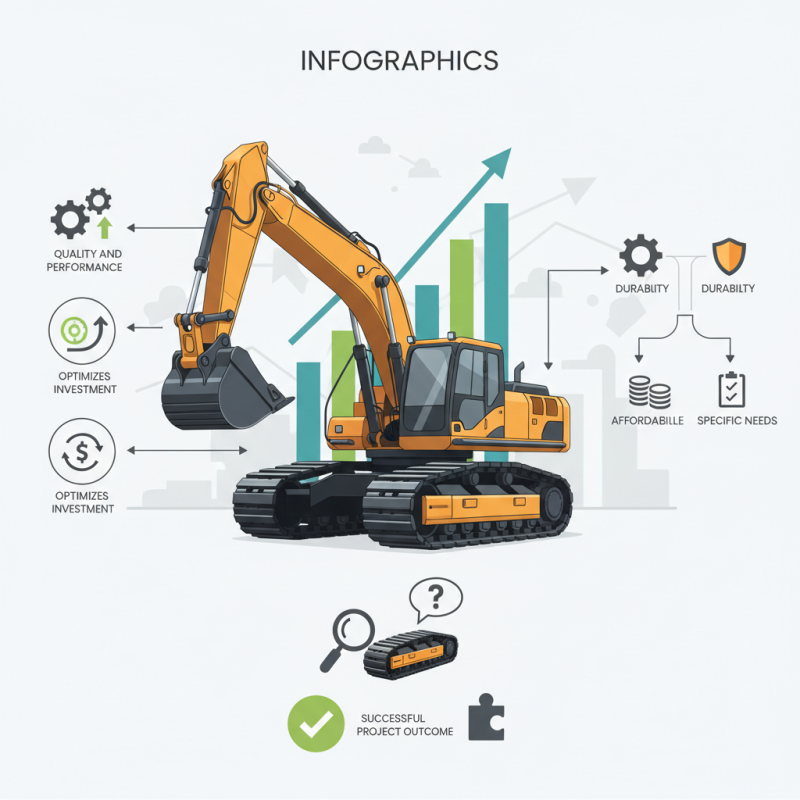
When choosing aftermarket excavator tracks, quality and performance are crucial. These tracks affect not only the machinery's efficiency but also its longevity. A wise choice can enhance worksite productivity. The demand for reliable aftermarket excavator tracks is rising as more operators seek to optimize their equipment.
In a market filled with options, understanding the best tracks is essential. Each brand and model offers unique features. Some prioritize durability, while others focus on affordability. It’s challenging to determine the perfect fit for your excavator. The right track can lead to smoother operations and reduced downtime. However, it is vital to consider your specific needs and usage patterns before purchasing.
Many operators overlook the importance of quality tracks. This choice can lead to costly repairs and inefficiencies. Research shows that investing in reliable aftermarket excavator tracks pays off in the long run. Making informed decisions enables operators to maximize their investment and ensure a successful project outcome.
The Importance of Quality Tracks in Excavator Performance
When it comes to excavator performance, the quality of tracks plays a crucial role. High-performance tracks enhance stability and traction on varied terrains. This is essential for efficient excavation. Poor quality tracks can lead to frequent breakdowns and increased maintenance costs. Operators often overlook this aspect, which can affect overall productivity.
Choosing the right tracks is not only about performance but also safety. Low-quality tracks may wear down quickly, leading to potential accidents. Regularly assessing the condition of tracks is vital. Operators should be vigilant and notice any irregularities. Sometimes, it’s easy to ignore these small signs, but they can lead to bigger problems later.
In the long run, investing in quality tracks will save time and money. Quality tracks can endure harsh conditions, providing peace of mind during operation. Reflecting on past experiences, many operators wish they had prioritized better track options. While it might seem tempting to cut costs, the consequences can be far-reaching and detrimental.
Factors Influencing the Selection of Aftermarket Excavator Tracks
Selecting the right aftermarket excavator tracks is crucial for optimal performance. Several factors influence this decision. One key consideration is the material. Tracks made from high-grade rubber can enhance durability and traction. According to industry reports, rubber tracks can last up to 40% longer than standard steel tracks in rough terrains.
Weight is another important aspect. Heavier tracks can provide stability but may reduce machine agility. On the other hand, lighter tracks can improve maneuverability yet may not withstand severe conditions. Operators often have to balance these aspects based on their project requirements.
Tip: Regular maintenance can significantly enhance the lifespan of aftermarket tracks. Check for signs of wear and maintain proper tension.
Another factor to weigh is the environmental conditions where the excavator operates. In muddy or sandy regions, wider tracks often prevent sinking and provide better flotation. Industry studies show that wider tracks can reduce ground pressure by 35% compared to standard sizes. However, they can increase resistance on hard surfaces.
Tip: Always match the track size to the typical ground conditions for your projects. This adjustment can save time and reduce operational costs.
Top 10 Aftermarket Excavator Tracks You Need to Consider
| Track Type |
Material |
Durability (Hours) |
Weight (lbs) |
Price Range ($) |
| Rubber Tracks |
Natural Rubber |
2000 |
350 |
1,000 - 1,500 |
| Steel Tracks |
Steel |
3000 |
450 |
1,500 - 2,500 |
| Composite Tracks |
Composite Materials |
2500 |
400 |
1,200 - 1,800 |
| Terrain Tracks |
Reinforced Rubber |
1800 |
370 |
1,000 - 1,400 |
| Low Ground Pressure Tracks |
Synthetic Rubber |
2200 |
360 |
1,100 - 1,600 |
| Heavy-Duty Tracks |
High-Density Rubber |
4000 |
500 |
1,800 - 2,300 |
| Multi-Purpose Tracks |
Blend of Materials |
2300 |
380 |
1,200 - 1,700 |
| Compact Tracks |
Strong Polyurethane |
2100 |
340 |
1,000 - 1,500 |
| Sand & Mud Tracks |
Specialized Rubber |
2000 |
350 |
1,050 - 1,450 |
| Padded Tracks |
Cushioned Rubber |
1600 |
325 |
900 - 1,300 |
Top Brands Offering Durable Aftermarket Excavator Tracks
When considering aftermarket excavator tracks, several brands stand out for their durability and performance. According to industry reports, over 70% of excavator operators cite track quality as a crucial factor in their purchasing decisions. Durable tracks can significantly reduce downtime, with high-quality options lasting up to 30% longer than cheaper alternatives. This is especially critical in construction and mining, where every hour counts.
Investing in aftermarket tracks from reputable brands can enhance machine performance. A study conducted by a leading equipment association found that well-maintained and high-quality tracks improve fuel efficiency by 15%. These benefits translate directly into increased productivity and lower operational costs for contractors.
Tips: Regular maintenance plays a vital role in maximizing track lifespan. Inspect tracks weekly for signs of wear and adjust tension as needed. Choosing the right tread design for your job site conditions can also make a substantial difference. Remember, the initial investment in quality tracks may yield greater savings in the long run. Maintaining equipment properly often reveals areas for improvement, promoting a culture of ongoing evaluation.
Top 10 Aftermarket Excavator Tracks Comparison
Comparative Analysis of Cost vs. Longevity in Excavator Tracks
When choosing aftermarket excavator tracks, it's vital to balance cost and longevity. The initial price of tracks can be enticing. However, opting for cheaper options may lead to expensive repairs later. Tracks that wear out quickly can significantly increase long-term costs. Investing in higher-quality tracks may seem daunting at first, but these options often provide better durability.
Longevity in excavator tracks is essential for efficiency. A robust track can withstand harsh job site conditions. This durability reduces downtime caused by replacements or repairs. You may face a dilemma in selecting a track that fits your budget. It's important to weigh the potential savings against the risks of frequent replacements. Research suggests that some less-expensive tracks fail sooner than expected, impacting productivity.
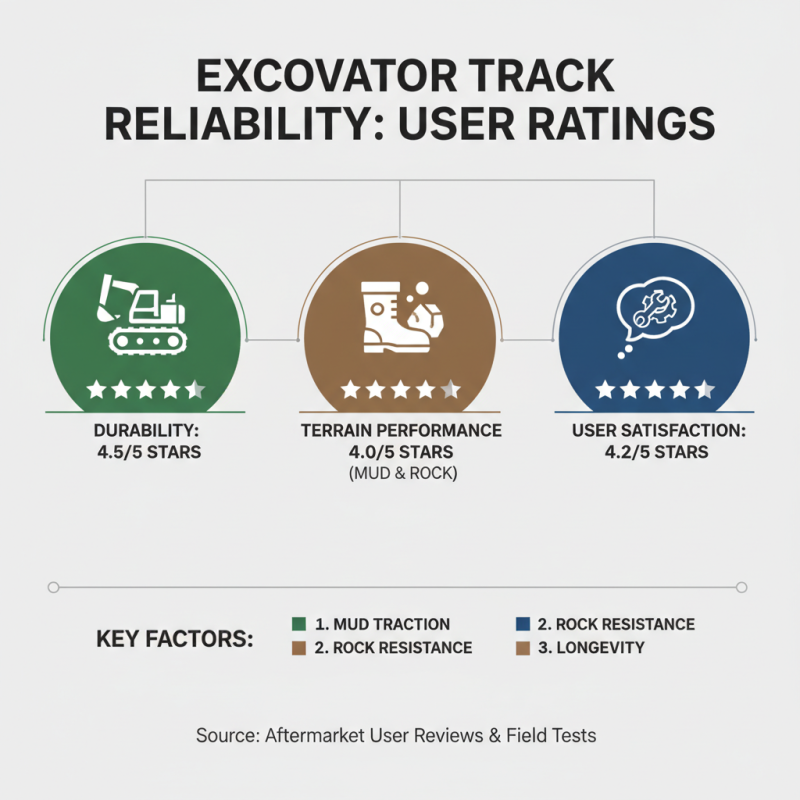
Not all tracks are created equal. Some may perform well initially but degrade rapidly. Evaluating user reviews can offer insights into real-world performance. Consider other factors like material quality and design for enhanced life span. Finding the right fit may take time and analysis, but it pays off in the long run. The choices might seem overwhelming, and mistakes can happen. Taking a methodical approach ensures better decision-making.