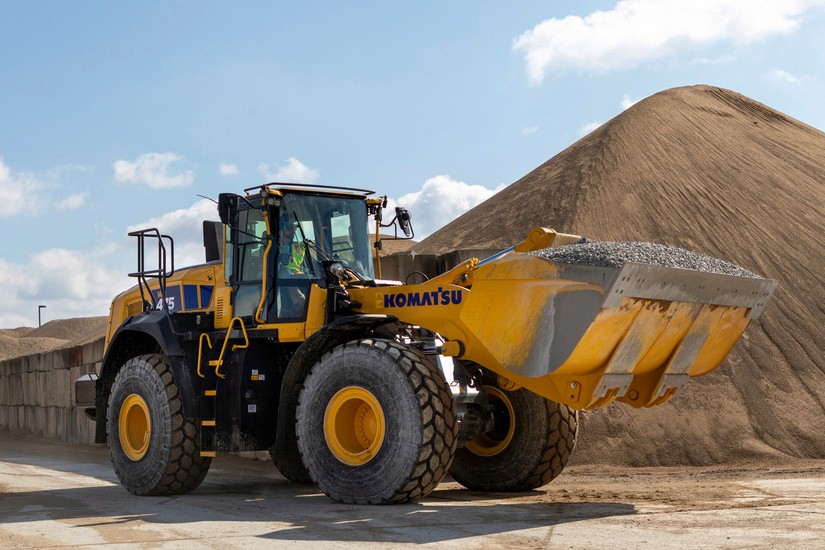


For any construction project, having reliable, working equipment is essential to maintaining timelines, managing costs, and successful completion. When machines fail or underperform, it can result in costly delays, disrupted workflows, and unhappy customers. The good news is that there are equipment maintenance strategies that you can implement to reduce the risk of unexpected downtime and expensive repairs. Below is a guideline that provides details on these strategies.

Staying on top of routine service is one of the best ways to avoid equipment downtime. Follow a comprehensive preventive maintenance plan that includes regular inspections, fluid analysis and changes, and wear part replacement helps you recognize and fix potential issues before they turn into bigger problems or cause catastrophic failure. Daily pre-operation walkarounds, proper greasing of pivot points, and equipment cleaning are also critical steps for maintaining peak performance.
Human error is a common cause of machine downtime. Well trained equipment operators are better equipped to avoid common mistakes and detect early signs of trouble, such as unusual sounds, sporadic electrical issues, or abnormal wear patterns. Operators should also be trained on safety risks related to machine tipping, including overloading, abrupt load swings, and working outside the equipment’s maximum capacity.
The next tip for minimizing equipment downtime is to maintain close tabs on them. Modern machines often feature telematics systems that provide real time data on engine health, fuel efficiency, usage patterns, location, and more. Leveraging this technology helps you detect performance anomalies early, receive maintenance alerts, and take corrective actions to avoid extended periods of equipment downtime.

To reduce any delays, we recommend storing an inventory of frequently used components, like filters, belts, hoses, and fluids, either on-site or in your maintenance shop. Having these items on hand ensures you can make quick repairs when needed, keeping your equipment and project moving forward.

Using original equipment manufacturer (OEM) parts is typically the best option when performing repairs or heavy equipment maintenance. They are specifically designed to match your machines, so you can be confident of a proper fit and like-new performance. OEM components also tend to come with stronger warranties and better manufacturer support, which further lowers your risk of additional delays caused by part failure.

Even with great heavy equipment maintenance practices and highly trained operators, unexpected issues can occur. To prevent machine downtime from holding up jobs and leading to unhappy customers, it’s important to have a reputable equipment rental dealer that you can rely on. If you have a breakdown, then you must be able to rent a high quality replacement machine fast that can complete your projects until your equipment is back up and running.