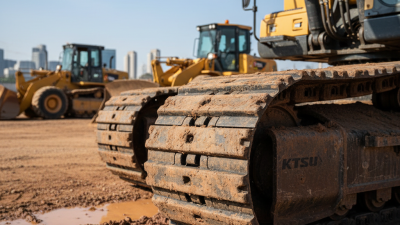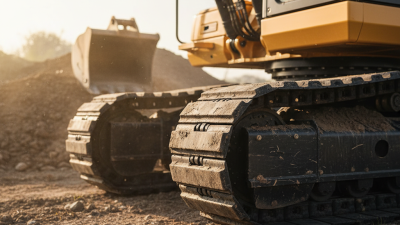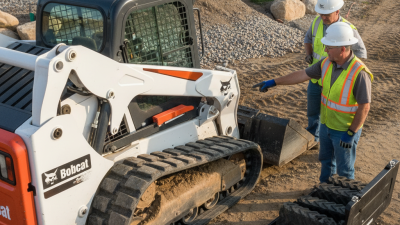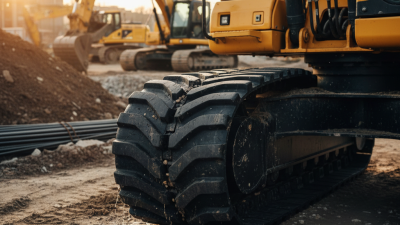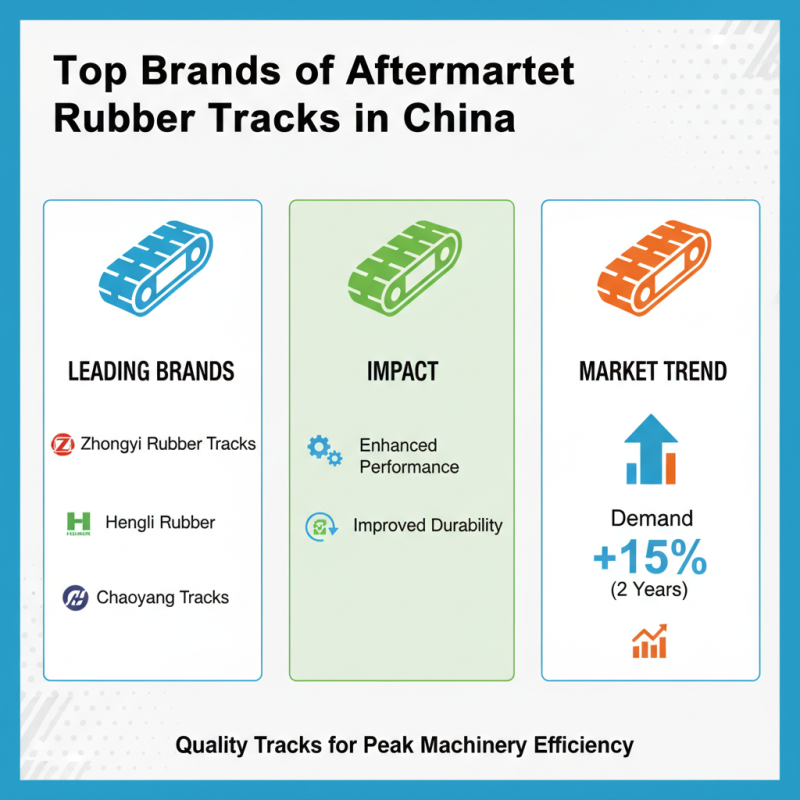
When it comes to maximizing performance in construction and agricultural machinery, selecting the best aftermarket rubber tracks is crucial. These tracks play a vital role in enhancing traction and stability on various terrains. Choosing the right tracks can impact your machine's efficiency significantly.
In the Chinese market, several manufacturers offer high-quality aftermarket rubber tracks. Each brand has its strengths, but some stand out due to durability and performance. Authentic reviews and user experiences reveal critical insights into which tracks truly deliver on promises.
Yet, it's essential to remember that not every aftermarket option is reliable. Some tracks might fall short in challenging conditions. Users often find themselves navigating a sea of options, trying to weigh features against cost. This search for the best aftermarket rubber tracks should involve thorough research and consideration of real-world performance.
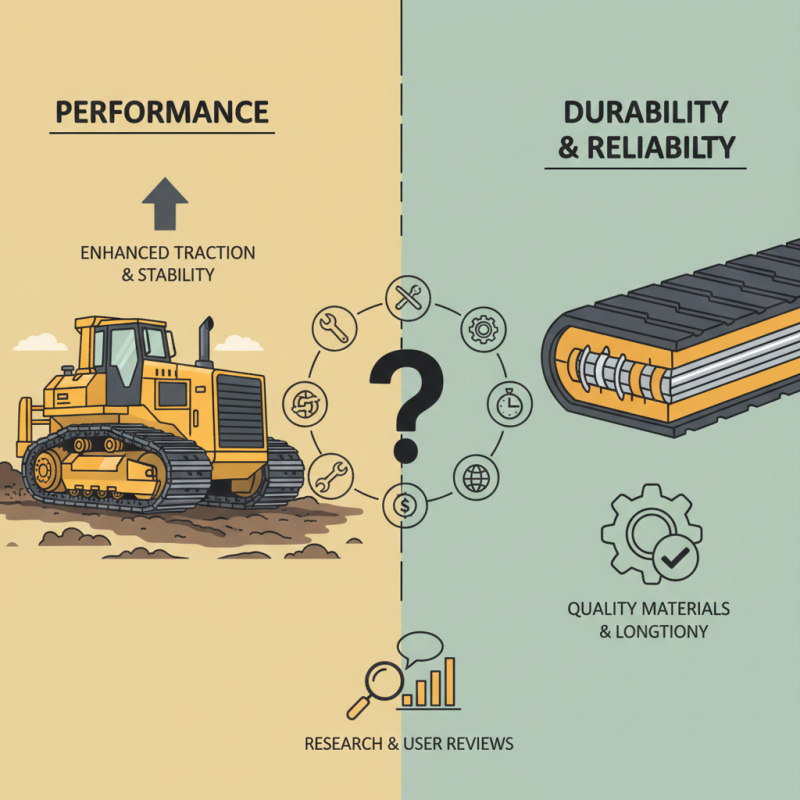
When selecting aftermarket rubber tracks for top machinery, it’s essential to focus on quality and compatibility. These tracks should be robust enough to handle diverse terrains. Many brands offer unique designs catering to different machines, ensuring a perfect fit. Prioritizing durability can reduce long-term costs and maintenance.
Consider installation carefully. Improper setup can lead to premature wear. Always refer to the installation guidelines provided. If you're unsure, consult a professional. This can save time and prevent vehicle damage.
Maintenance is another key factor. Regularly check the tracks for signs of wear or damage. Small issues can escalate quickly. Timely replacement of worn tracks can enhance performance and safety. Always aim for the best materials, as they will provide longevity and reliability.
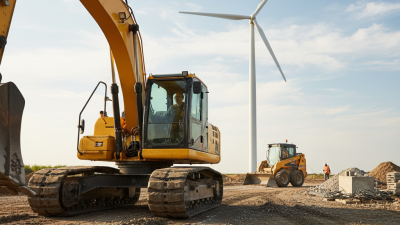
When selecting rubber tracks for heavy machinery, several key features must be considered. Durability is crucial. High-quality tracks resist wear and tear from harsh environments. They should withstand heavy loads and provide stability during operation. Wheels need tracks that deliver optimal grip on varied terrains, including muddy or rocky surfaces. This provides safety and efficiency.
Traction and flexibility play significant roles. Tracks should adapt well to different landscapes. This adaptability enhances maneuverability. Some tracks may lack this crucial feature, leading to performance issues. Another aspect to consider is the noise level. Tracks that produce excessive noise can disrupt work and cause discomfort.
Weight distribution is also vital. Properly designed tracks distribute weight evenly, reducing the risk of machine tipping. However, not all aftermarket options perform well in this regard. Users often overlook the importance of compatibility. Tracks must fit the machinery precisely to ensure smooth operation. Addressing these features can lead to more reliable performance and improved productivity in the field.
| Machine Type | Track Width (mm) | Track Length (mm) | Material Composition | Key Feature |
|---|---|---|---|---|
| Excavator | 450 | 2000 | Natural Rubber with Steel Reinforcement | High Traction |
| Skid Steer Loader | 400 | 1500 | Synthetic Rubber | Enhanced Durability |
| Compact Track Loader | 500 | 1800 | Niobium-Enhanced Rubber | Heat Resistance |
| Mini Excavator | 300 | 1400 | Recycled Rubber | Eco-Friendly |
| Bulldozer | 600 | 2200 | Heavy-Duty Rubber | Puncture Resistance |
When considering aftermarket rubber tracks for top machinery in China, several leading brands stand out. The right tracks can significantly impact performance and durability. Recent industry reports indicate that the demand for high-quality rubber tracks has risen by over 15% in the past two years, reflecting a trend towards enhanced operational efficiency in heavy machinery.
Not all tracks are created equal. Various factors contribute to the reliability of rubber tracks, including composite materials and tread patterns. It's crucial to assess these elements to ensure optimal performance. Studies show that tracks made with advanced materials can increase lifespan by up to 30%. However, some brands compromise on quality to reduce costs, leading to higher maintenance expenses in the long run.
Choosing the best aftermarket tracks requires careful consideration of performance metrics. Industry analysts suggest that a well-chosen track can improve traction by over 20%, affecting productivity on uneven terrain. Despite this, not every user recognizes the importance of these details. Some may opt for cheaper alternatives, only to face frequent breakdowns. This highlights a common misstep in the decision-making process. Investing in high-quality tracks often yields long-term benefits that outweigh initial expenses.
When selecting rubber tracks for top machines in China, several factors must be considered. The type of environment plays a crucial role. Different terrains require varying tread patterns and rubber hardness. Track width can also affect machine stability and performance. A track that is too narrow may hinder balance, while an overly wide track may not fit well on certain equipment.
Durability should not be overlooked. High-quality rubber tracks can endure harsh conditions. They resist wear and tear better, which translates to cost-effectiveness. Continuous exposure to sharp objects or extreme temperatures can damage inferior tracks quickly. This leads to increased maintenance and replacement costs.
Tips: Always check the track specifications for compatibility with your machine. Consider consulting experts or reading reviews for insights before purchasing. Testing tracks in real-world conditions can provide valuable feedback. Remember, the right fit is essential for optimal performance. Don't be afraid to experiment with different options; sometimes, the best choice isn't the obvious one.
Maintaining aftermarket rubber tracks is crucial for performance. Proper care extends their lifespan significantly. Regular inspections are necessary to identify wear and tear. Look for cracks, tears, or bulges in the tracks. These can lead to bigger issues if ignored.
Proper tension is also vital. Overly tight tracks can cause damage to the machine. Make adjustments as needed to keep them balanced. Cleaning the tracks regularly prevents debris buildup. Mud and dirt can degrade the rubber material and affect its functionality.
Consider the environment where the machine operates. Rough terrain can lead to quicker wear. Storing the machinery indoors when not in use can prevent unnecessary exposure to sunlight and harsh weather. These factors can wear down rubber tracks faster than expected. It's important to reflect on your maintenance routine. Are you addressing minor issues before they escalate? A proactive approach pays off in the long run.