What Are the Benefits of Bamboo Fiber for Sustainable Sourcing?
Bamboo fiber is gaining attention for its remarkable benefits in sustainable sourcing. This natural resource is not only eco-friendly but also versatile. Bamboo grows rapidly and requires minimal resources, making it a smart choice for environmentally conscious consumers. The cultivation process significantly reduces carbon emissions compared to traditional materials, contributing positively to the planet.
Furthermore, bamboo fiber is biodegradable, unlike synthetic fibers that contribute to pollution. This eco-friendly characteristic is vital in a world facing increasing waste challenges. As brands seek sustainable sourcing options, bamboo fiber offers a reliable alternative. Its strength and softness make it suitable for various products, including clothing, towels, and home goods.
However, the rush towards bamboo fiber comes with questions about sourcing practices. Not all bamboo is ethically harvested, and some production methods raise sustainability concerns. This calls for careful scrutiny and responsible choices in the sourcing process. Engaging with experts and verified suppliers can ensure bamboo fiber’s benefits are realized without compromising ethical standards.
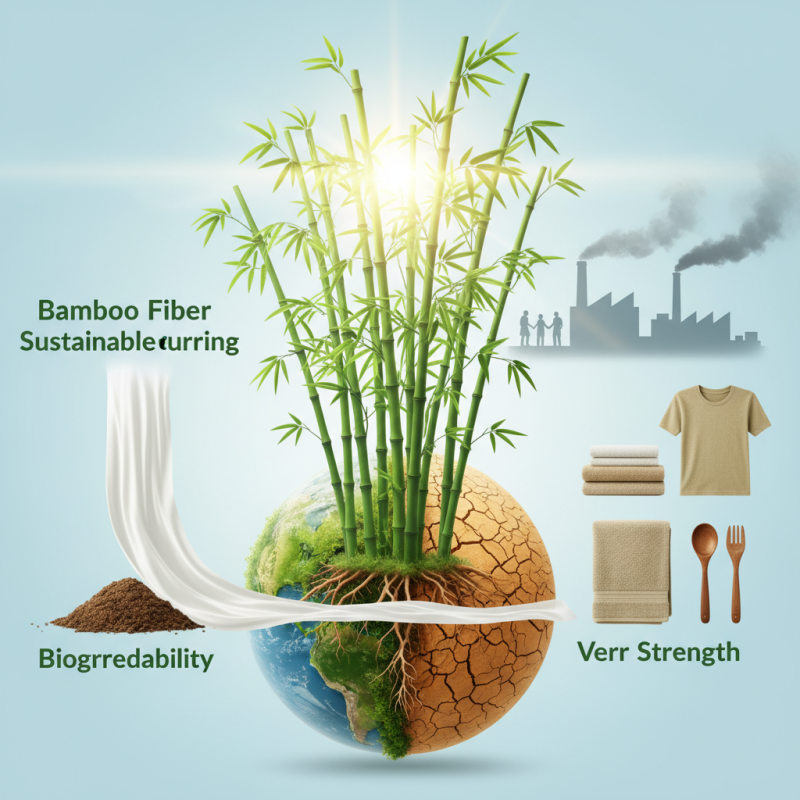
Benefits of Bamboo Fiber in Sustainable Sourcing: An Overview
Bamboo fiber is gaining recognition in sustainable sourcing due to its numerous benefits. It is a renewable resource, growing up to three feet a day without the need for pesticides or fertilizers. According to a report by the World Wildlife Fund, bamboo can absorb 35% more carbon dioxide than an equivalent stand of trees. This makes it an effective tool for combatting climate change.
In addition to its environmental advantages, bamboo fiber is known for its durability and softness. It naturally wicks moisture away, making it ideal for textiles and apparel. Industry studies note that bamboo fabric can reduce the growth of bacteria, which promotes better hygiene. The market for bamboo textiles is projected to grow by 12.5% annually, as consumers increasingly demand eco-friendly options.
Challenges still exist in the bamboo supply chain. The processing methods can be harmful if not managed properly. Reports highlight that not all bamboo products meet sustainable standards. Therefore, transparency in sourcing is essential. Reliable certifications can guide consumers toward genuinely sustainable options, emphasizing the need for due diligence when selecting bamboo fiber products.
Environmental Impact of Bamboo Cultivation Compared to Cotton
Bamboo cultivation has emerged as a significant player in sustainable sourcing. Compared to cotton, bamboo has a substantially lower environmental impact. While cotton requires massive water resources, bamboo thrives in diverse climates with minimal irrigation. Research indicates that bamboo can grow up to three feet within a single day. This rapid growth helps sequester carbon dioxide, significantly contributing to climate mitigation efforts.
Moreover, bamboo can improve soil quality. Its deep root system prevents erosion while enhancing biodiversity. A study by the World Wildlife Fund shows that bamboo plantations can yield up to ten times more fiber per acre than cotton. This efficiency reduces the need for land and water, addressing the challenges posed by traditional agriculture.
However, the benefits of bamboo are not without concerns. Some practices in bamboo farming can lead to deforestation and habitat loss. It is essential to source bamboo from certified sustainable plantations. The balance between ecological impacts and fiber production remains critical in promoting genuinely sustainable practices. Knowledgeable sourcing can leverage bamboo's benefits without exacerbating existing environmental issues.
Economic Advantages of Bamboo Fiber for Farmers and Local Communities
Bamboo fiber has emerged as a valuable resource for sustainable sourcing, particularly for farmers and local communities. The economic advantages of bamboo farming are notable. Reports indicate that bamboo can yield up to four times more fiber than cotton per acre. This offers an appealing income opportunity for farmers, especially in regions where traditional crops face declining prices.
Bamboo also grows quickly and requires minimal resources. It thrives in poor soil, needing less water than conventional crops. According to industry statistics, a bamboo plantation can reach full maturity in just three to five years. This fast growth enables communities to reap benefits sooner, creating jobs and boosting local economies.
Tips: Consider collaborating with local farmers to promote bamboo cultivation. Educating them on sustainable practices can enhance their knowledge and income. Also, explore partnerships with NGOs focused on sustainable agriculture. They can provide resources and training.
However, there are challenges. Not all farmers have access to markets, limiting their ability to sell bamboo fiber. Infrastructure in rural areas may be inadequate. As the bamboo industry grows, addressing these issues is crucial to ensure sustainable development. The economic potential is significant, but it requires careful planning and support.
What Are the Benefits of Bamboo Fiber for Sustainable Sourcing? - Economic Advantages of Bamboo Fiber for Farmers and Local Communities
| Benefit | Description | Impact on Farmers | Impact on Local Communities |
| Income Generation | Bamboo fiber can be sold at competitive prices, providing farmers with a steady income. | Increased financial stability and improved quality of life. | Creation of job opportunities within the community. |
| Low Production Costs | Bamboo requires less water and pesticides compared to other crops, reducing overall production costs. | Lower investment means higher profit margins for farmers. | Encourages sustainable farming practices that benefit the local ecosystem. |
| Sustainable Practices | Bamboo is a renewable resource that can be harvested without damaging the plant. | Promotes eco-friendly farming techniques among farmers. | Supports community efforts in environmental conservation. |
| Market Demand | The growing demand for sustainable products increases market opportunities for bamboo fiber. | Farmers can explore new and expanding markets. | Potential for local enterprises to thrive on bamboo processing and products. |
Bamboo Fiber's Biodegradability and Its Role in Reducing Waste
Bamboo fiber is gaining popularity due to its biodegradability. Unlike synthetic fibers, bamboo decomposes naturally, returning nutrients to the soil. This characteristic makes bamboo fiber an excellent choice for sustainable sourcing. The rapid growth of bamboo contributes to its eco-friendliness, as it requires minimal water and no pesticides. Additionally, it absorbs more carbon dioxide compared to conventional trees.
When considering sustainable materials, it's essential to think about waste reduction. Bamboo fiber products can significantly reduce landfill contributions. Biodegradable items break down over time, reducing pollution. With growing awareness, consumers are leaning towards such products for their environmental impact.
Tips: Look for bamboo fiber in everyday items like clothing or kitchenware. Supporting eco-friendly brands enhances the market for sustainable products. Consider your purchasing habits and try to choose biodegradable options whenever possible. Be mindful that not all bamboo products are created equal; check the manufacturing practices used.
Consumer Demand for Sustainable Products Driving Bamboo Fiber Market
Consumer demand for sustainable products has surged in recent years. This is particularly evident in the bamboo fiber market. Shoppers now prioritize eco-friendly materials. They are increasingly aware of environmental issues. As a result, many are turning to bamboo fiber for their textile needs.
Bamboo fiber offers unique advantages. It is naturally antibacterial and hypoallergenic. This makes it an excellent choice for sensitive skin. Additionally, bamboo grows rapidly and requires less water. Its cultivation does not demand harmful pesticides. Consumers viewing bamboo products as sustainable are more likely to purchase them.
The growth potential of the bamboo fiber market is notable. However, challenges remain. Awareness around responsible sourcing is crucial. Not all bamboo farming practices are sustainable. Consumers must remain informed and cautious. Responsible choices can foster a more sustainable future.