Top Benefits of KTSU Rubber Tracks for Heavy Machinery Users?
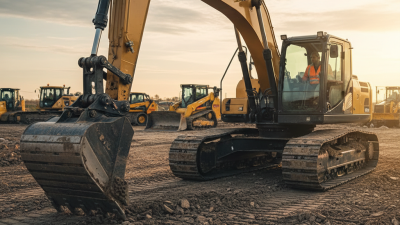
Heavy machinery users constantly seek reliable solutions to enhance performance and productivity. One such solution is KTSU rubber tracks. These tracks are designed specifically for excavators and other heavy equipment, offering superior durability and traction. According to industry reports, equipment failures can cost companies substantial amounts in downtime and repairs. In fact, a delay of just one hour can result in lost revenue, ranging from $500 to $1,500, depending on the equipment type.
KTSU rubber tracks provide significant advantages. They are designed to withstand harsh environments and demanding conditions. With reduced vibration and enhanced grip, operators enjoy better control over their machinery. A study by the Machinery Safety Association indicated that machines fitted with high-quality rubber tracks experience fewer accidents. This not only boosts safety but also improves efficiency on the job site. However, some users may overlook the importance of regular maintenance, which can undermine the benefits of KTSU rubber tracks.
In conclusion, investing in KTSU rubber tracks could present a game-changing choice for heavy machinery users. Understanding the unique benefits they offer can assist operators in making informed decisions. Ignoring these advantages may affect performance and safety, leading to greater costs in the long run.
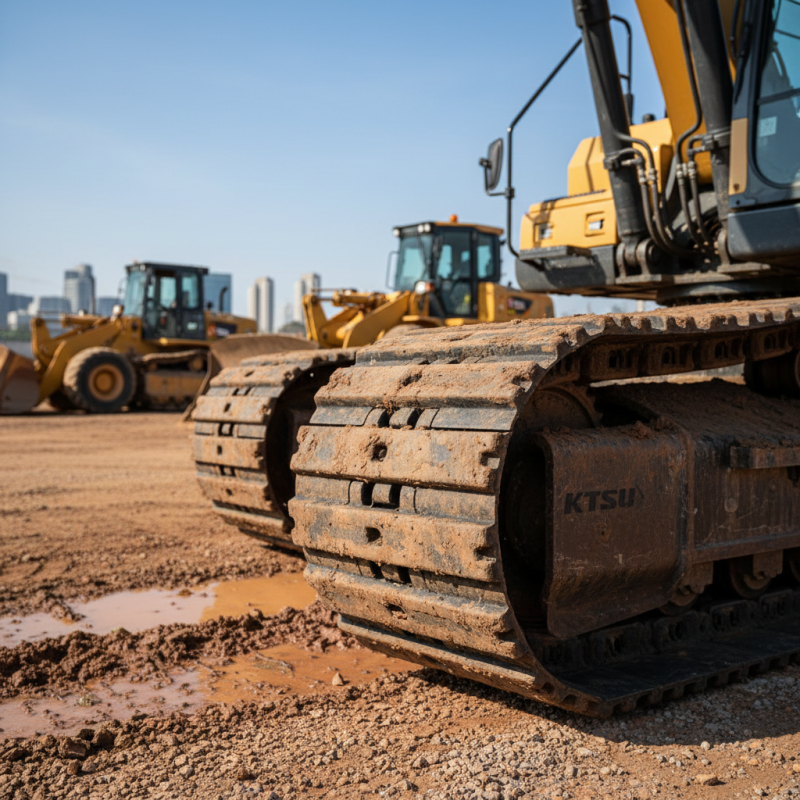
Understanding KTSU Rubber Tracks and Their Features
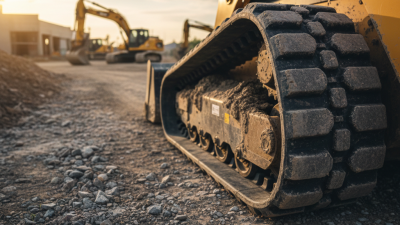
KTSU rubber tracks play a vital role in heavy machinery operations. They are designed to improve traction and stability, essential for uneven terrain. According to industry reports, rubber tracks can reduce surface damage in comparison to steel tracks. This is significant in sensitive areas where soil compaction can lead to environmental issues.
The features of KTSU rubber tracks include advanced engineering that enhances durability. These tracks are built to withstand extreme conditions. Their flexibility allows for better maneuverability. Reports suggest that machines equipped with rubber tracks experience fewer breakdowns. This can lead to lower maintenance costs over time. However, some users report that initial costs can be higher compared to traditional tracks.
Additionally, noise reduction is a key benefit. Rubber tracks operate much quieter than steel alternatives. This is particularly beneficial in urban environments. Users appreciate reduced noise pollution during operation. Yet, some operators may find the non-aggressive tread designs less effective in certain situations. Balancing performance and cost is crucial for users considering KTSU rubber tracks in their machinery.
Top Benefits of KTSU Rubber Tracks for Heavy Machinery Users
| Feature |
Benefit |
| Durability |
Withstands rough terrains and heavy loads, reducing the need for frequent replacements. |
| Traction |
Offers superior grip on diverse surfaces, enhancing stability and control. |
| Weight Distribution |
Improves weight distribution, reducing ground pressure and minimizing soil compaction. |
| Noise Reduction |
Operates more quietly compared to steel tracks, providing a more pleasant working environment. |
| Versatility |
Compatible with various types of heavy machinery, maximizing usability across different projects. |
| Cost-Effectiveness |
Longer lifespan and reduced maintenance costs lead to significant savings over time. |
Key Advantages of Using KTSU Rubber Tracks in Heavy Machinery
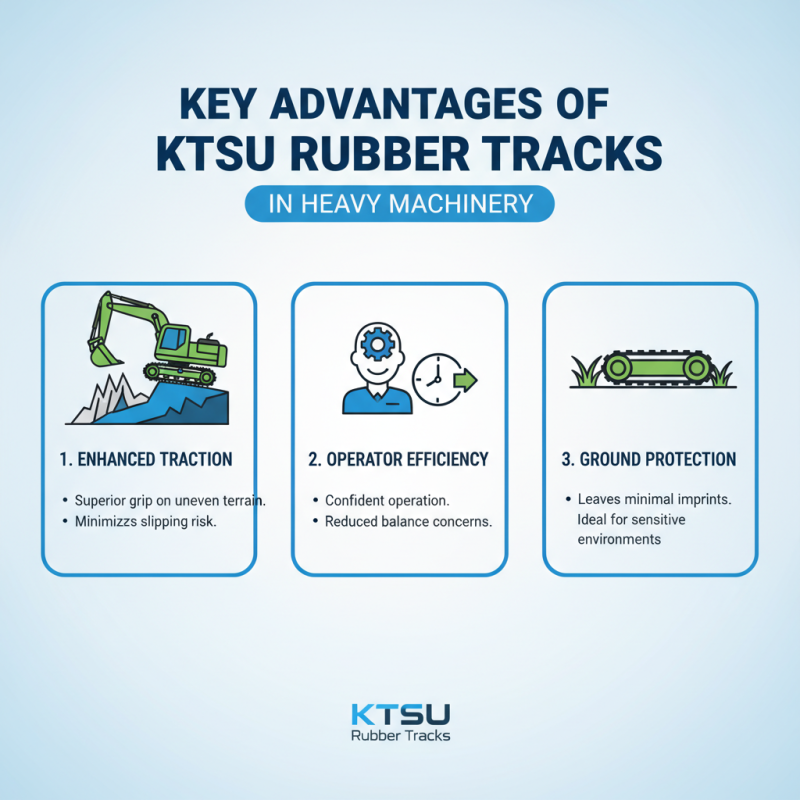
When it comes to heavy machinery, rubber tracks offer distinct benefits. They provide superior traction on uneven terrain. This feature minimizes the risk of slipping. Operators can work efficiently without constant concerns about balance. Rubber tracks also protect the ground beneath the machinery. They leave little to no imprints, which is crucial in sensitive environments.
Another advantage is the reduced noise level. Unlike steel tracks, rubber tracks operate quietly. This can be vital in urban settings where noise restrictions are strict. Additionally, these tracks require less maintenance. Operators spend less time on repairs. However, they are not without challenges. Over time, rubber can wear down from exposure to extreme conditions. Proper monitoring and care are essential for longevity. Adapting usage based on environmental factors can help maximize their lifespan.
Comparison of KTSU Rubber Tracks with Traditional Steel Tracks
When comparing rubber tracks and traditional steel tracks, several key factors stand out. Rubber tracks are lighter, reducing overall machinery weight. This weight advantage improves fuel efficiency. Many users appreciate the smoother ride on rubber tracks. The quiet operation also enhances the working environment.
However, rubber tracks may wear out faster in rough conditions. Their lifespan can be a concern for heavy machinery users. Steel tracks, on the other hand, are extremely durable. They provide excellent traction on tough terrains. Users often debate whether the trade-off in comfort is worth it.
Maintenance is another consideration. Rubber tracks need regular checks for cracks and wear. Steel tracks might require adjustments for proper alignment. Each option has its pros and cons. Users must weigh comfort against durability based on their specific needs. Ultimately, the right choice varies across different applications.
Impact of KTSU Rubber Tracks on Equipment Performance and Longevity
KTSU rubber tracks significantly enhance equipment performance. Using advanced materials, they provide excellent traction and stability on various terrains. This can lead to a 15% improvement in fuel efficiency, as per industry reports. Machines equipped with quality rubber tracks often experience less downtime. This contributes to an overall increase in productivity for heavy machinery users.
Consider the lifespan of rubber tracks. They typically last longer than traditional steel tracks. On average, rubber tracks can endure up to 2,000 machine hours, reducing the need for frequent replacements. This durability decreases operational costs. However, not all rubber tracks are created equal. Users must choose wisely, as inferior tracks may wear out quickly, leading to unexpected breaks in operations.
Tips: Always monitor your tracks for signs of wear. Regular maintenance is essential for longevity. Additionally, avoid using equipment on rough surfaces unnecessarily. It’s a simple yet effective way to prevent damage. The right practices can extend the life of your machinery, promoting efficiency and reducing costs.
Cost-Effectiveness and Maintenance of KTSU Rubber Tracks in Operations
Cost-effectiveness is crucial for heavy machinery users. KTSU rubber tracks offer a durable alternative to traditional steel tracks. They provide a smoother ride, reducing wear and tear on the machine and the operator. This added comfort can enhance productivity, ultimately leading to cost savings.
Maintenance is another vital aspect. Rubber tracks require less frequent replacements, making them budget-friendly. Regular inspections can extend their lifespan, but sometimes users neglect this. Improper care can lead to unexpected costs. It’s essential to clean debris and check for wear regularly.
The initial investment may seem significant, yet the long-term savings are undeniable. Many operators find themselves reconsidering their choices as they witness the benefits unfold. Properly maintained rubber tracks can outperform metal ones in various conditions. However, some users still stick to older practices, which can hinder their operations.