Best Yanmar Tracks for Heavy Machinery Do You Know the Differences?
In the heavy machinery industry, understanding the differences in Yanmar tracks can significantly impact operational efficiency. Yanmar tracks are crucial for ensuring stability and reducing wear on equipment. Recent industry reports indicate that machinery performance can improve by up to 30% with the right tracks. Choosing the correct Yanmar tracks not only enhances machinery reliability but also extends its lifespan.
The market is filled with options, yet not all tracks are created equal. Factors such as material composition, tread design, and compatibility with specific machinery must be considered. Research shows that improper track choices can lead to increased downtime, causing a ripple effect on project timelines. This underscores the importance of making informed decisions.
Understanding the specific needs of your equipment is essential. Properly matched Yanmar tracks can improve traction and maneuverability, affecting overall productivity. However, many users struggle with track selection and often overlook critical specifications. Reflecting on these differences leads to a more thoughtful approach to equipment management.
Types of Yanmar Tracks: Understanding the Variations in Material and Design
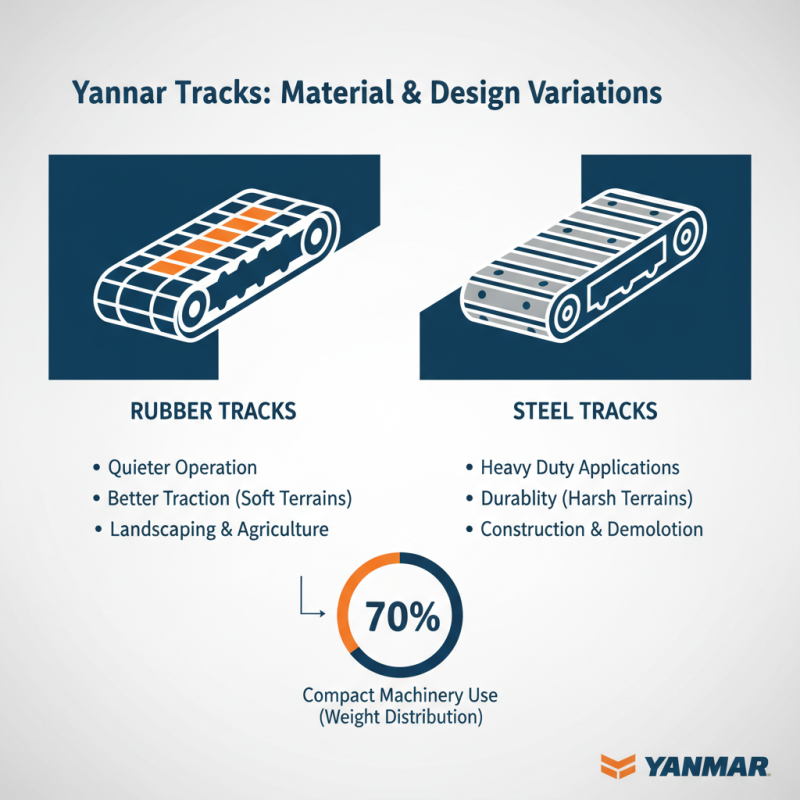
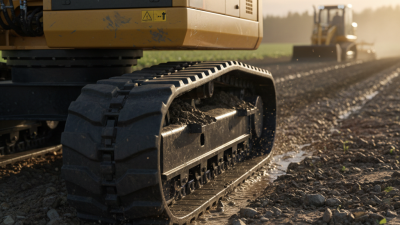
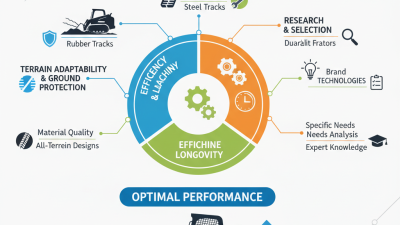
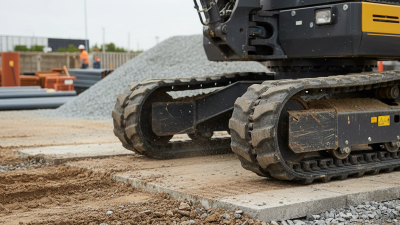
When it comes to Yanmar tracks for heavy machinery, various materials and designs significantly affect performance. Rubber tracks and steel tracks are two primary types. Rubber tracks offer a quieter operation and better traction on softer terrains. They are frequently used in applications like landscaping and agriculture. According to industry data, approximately 70% of compact machinery adopts rubber tracks due to their weight distribution benefits.
On the other hand, steel tracks are more durable and suitable for rocky or abrasive environments. These tracks can withstand higher stress levels, making them ideal for construction sites. Research indicates that steel tracks have a 50% longer lifespan compared to rubber tracks under extreme conditions. However, they can create more vibration and noise.
Understanding these differences is crucial for operators and businesses. Choosing the right track affects productivity and machine wear. The best choice isn’t always clear. Not every situation fits neatly into one type of track. Operators may find that a mixed approach yields the best results over time. This complexity highlights the need for careful assessment and sometimes, trial and error.
Key Features of Yanmar Tracks: Durability, Traction, and Weight Distribution
Yanmar tracks are crucial for the performance of heavy machinery. Understanding their key features can enhance your equipment's efficiency on the job. Durability is paramount. A report from the Heavy Equipment Manufacturers Association states that machinery downtime can cost businesses up to $20,000 daily. Yanmar tracks are designed to withstand rigorous conditions and heavy loads. They use high-grade materials, ensuring longer lifespans even in challenging terrains.
Traction is another essential characteristic. Effective traction enhances stability and control. According to a study by the International Journal of Engineering Research, improved traction can increase operational efficiency by 25%. This is vital in construction and agricultural settings where uneven ground and slick surfaces are common. The weight distribution of Yanmar tracks plays a significant role as well. A well-distributed weight reduces ground pressure, minimizing soil compaction, especially in farming. Compliance with these factors can lead to smoother work processes.
Tips for choosing tracks: First, consider the work conditions. Tracks suited for muddy terrains differ from those designed for rocky surfaces. Always assess your machinery's specifications before purchasing. Regular maintenance ensures optimal performance; check for wear and tear often. Investing time in research can save costs in the long run, ensuring your machinery operates effectively.
Best Yanmar Tracks for Heavy Machinery: Key Features Comparison
This chart illustrates the key performance features of Yanmar tracks for heavy machinery, including Durability, Traction, and Weight Distribution. Each feature is rated on a scale of 100, providing a clear comparison of their effectiveness.
Performance Metrics of Yanmar Tracks: Analyzing Load Capacity and Stability
When considering Yanmar tracks for heavy machinery, performance metrics play a crucial role. Load capacity and stability are essential factors that determine the effectiveness of these tracks. Studies indicate that the optimal load capacity of Yanmar tracks can reach up to 3,500 lbs, providing adequate support for various applications. Stability is also vital, as uneven terrains can challenge machinery performance. Well-designed tracks minimize the risk of tipping over, enhancing safety.
Load distribution impacts both performance and machinery lifespan. Tracks with a broader footprint tend to distribute weight more evenly. A wider design can reduce soil compaction and provide more traction. It's important to choose tracks that suit the working environment, as this can affect operational efficiency.
Tip: Regularly inspect your machinery's tracks for wear and tear. Replace worn tracks promptly.
Understanding the relationship between load capacity and ground conditions is crucial. In fluctuating conditions, heavier machinery may require different track choices. Make sure to analyze specific metrics for the task.
Tip: Always consult with experts for the best track options for your unique needs.
Best Yanmar Tracks for Heavy Machinery: Performance Metrics
| Track Type |
Load Capacity (lbs) |
Stability Rating |
Operating Weight (lbs) |
Traction Performance |
| Rubber Tracks |
3,000 |
8/10 |
7,500 |
Good |
| Steel Tracks |
5,000 |
9/10 |
10,000 |
Excellent |
| Grooved Tracks |
4,000 |
7/10 |
8,500 |
Fair |
| Wide Tracks |
6,000 |
9/10 |
11,000 |
Very Good |
Maintenance Tips for Yanmar Tracks: Ensuring Longevity and Performance Optimization
Maintaining Yanmar tracks is crucial for heavy machinery performance. Regular inspections can prevent unexpected breakdowns. Look for signs of wear, such as cracks or bulging. Check for loose fittings, as they may lead to larger issues.
Proper lubrication is essential. Keep the tracks well-greased to reduce friction. This helps to enhance performance and longevity. Avoiding waterlogged areas can extend the life of your tracks. Water can lead to rust and damage.
Cleaning is another important aspect. Remove dirt and debris after use. This prevents buildup, which can harm the tracks over time. Be mindful of the terrain where you operate. Harsh conditions can accelerate wear. Monitoring these details ensures your machinery remains reliable for longer.
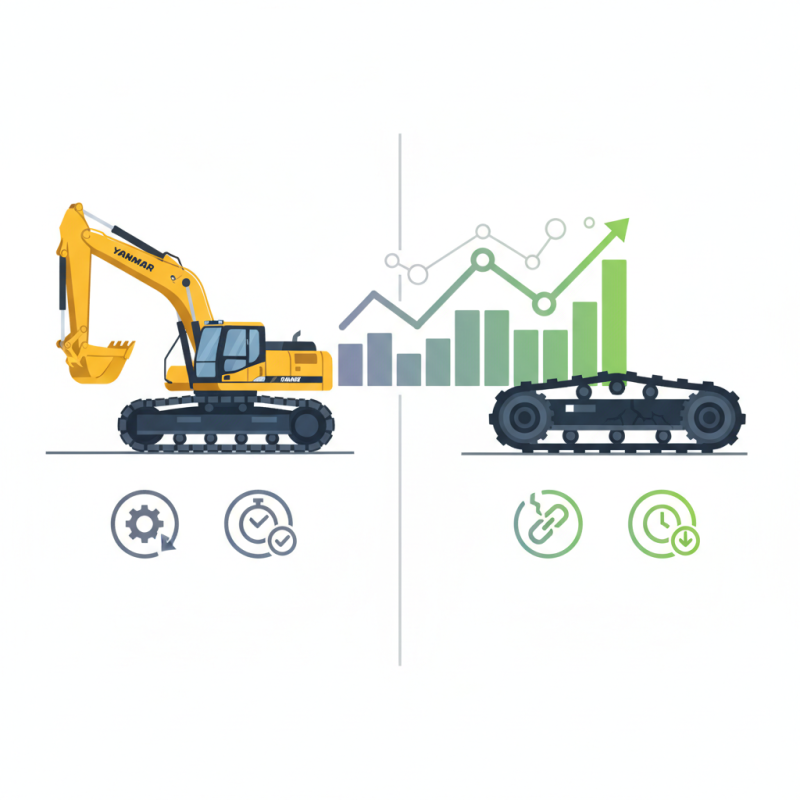
Comparative Analysis: Yanmar Tracks vs. Competitor Brands in Heavy Machinery
When comparing tracks for heavy machinery, it's important to focus on
material and design. Some brands use reinforced rubber, while others prefer steel.
Rubber tracks are often lighter and provide better grip on various terrains.
However, steel tracks can withstand harsher conditions and last longer in rugged environments.
This difference can affect performance and longevity in significant ways.
Another critical aspect is the tread pattern.
Different manufacturers may implement designs that enhance traction or improve self-cleaning capabilities.
In muddy conditions, a track with a proven tread pattern can prevent slipping. Yet, choosing a heavier track could impact fuel efficiency.
Operators need to consider the balance between durability and efficiency based on their specific usage.
Furthermore, the installation process requires careful attention.
Some tracks are easier to install, which can save time and reduce labor costs.
Others might demand specialized tools or skills, adding complexity to the process.
The choice of track might also affect how the machinery performs in different climates.
The ideal track isn't just about immediate needs; it should consider long-term performance and maintenance challenges.