How to Choose the Best Bobcat Rubber Tracks for Your Equipment Needs
Choosing the right bobcat rubber tracks for your equipment can significantly impact the performance and efficiency of your machinery. According to industry expert Michael Thompson, "The right tracks not only enhance the operational capabilities of your bobcat but also prolong the lifespan of your equipment.” As the foundation of your bobcat’s mobility, these rubber tracks must be selected carefully to match the specific demands of your job site and conditions.
In the world of construction and landscaping, the versatility and durability of bobcat rubber tracks are crucial. Proper selection can lead to improved traction on different terrains, reduced vibration, and less wear on your machine. With various options available today, understanding the factors that influence your choice—from size, tread design, to material quality—can ensure that you are making a well-informed decision.
As we delve deeper into the topic, this guide will highlight key considerations and provide insights into selecting the most suitable bobcat rubber tracks to meet your operational needs, helping you enhance productivity and maintain your equipment’s longevity effectively.
Understanding Bobcat Rubber Tracks and Their Importance
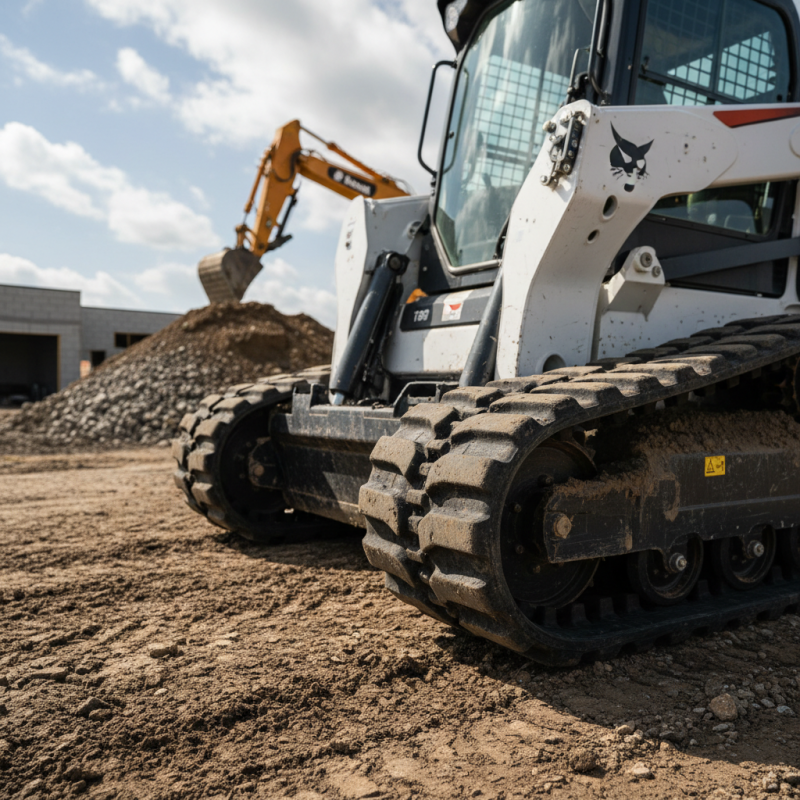
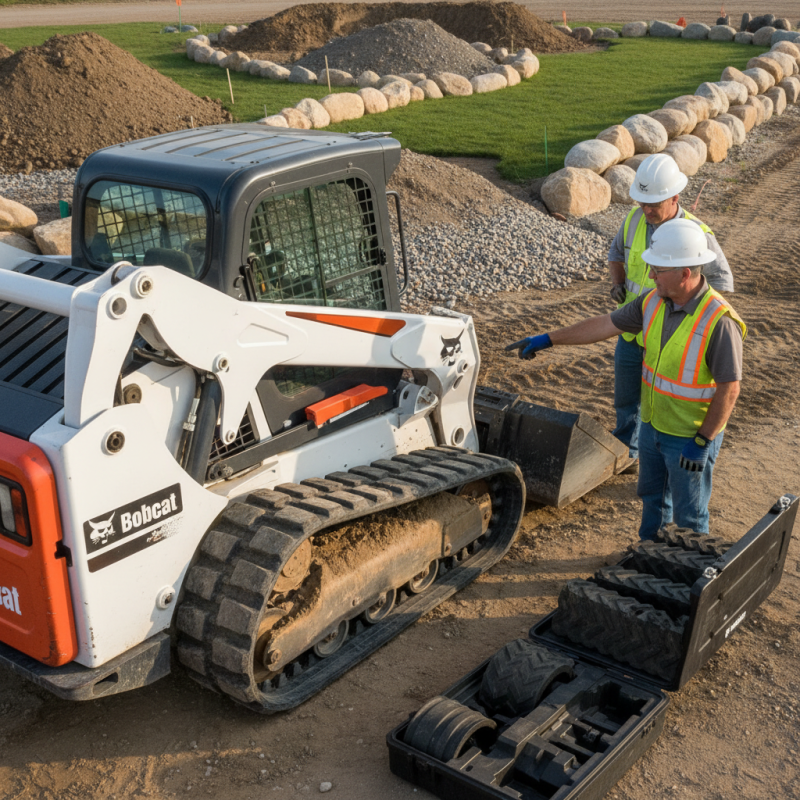
Bobcat rubber tracks play a crucial role in ensuring the optimal performance of equipment used across various terrains. Their primary function is to provide traction, stability, and protection to the machinery. Understanding the unique properties of these tracks is essential for maintaining equipment efficiency and extending its lifespan. Rubber tracks are designed to distribute weight evenly, which minimizes ground disturbance and reduces the risk of slipping, especially in challenging conditions such as mud or snow.
Additionally, the importance of selecting the right rubber track cannot be overstated. Different projects may require different track characteristics, such as width, tread pattern, and material composition. For example, wider tracks may offer better stability on soft ground, while specific tread patterns can enhance traction on rocky surfaces. Regular maintenance and timely replacement of worn-out tracks ensure that equipment operates smoothly, reducing downtime and repair costs. Hence, a clear understanding of rubber tracks and their specific applications is vital for making informed decisions tailored to your equipment needs.
How to Choose the Best Bobcat Rubber Tracks for Your Equipment Needs
| Parameter |
Importance |
Recommendation |
| Track Width |
Affects stability and ground pressure |
Consider wider tracks for stability in soft ground |
| Material Quality |
Impact on durability and lifespan |
Look for tracks with high-quality rubber compounds |
| Tread Pattern |
Influences traction and maneuverability |
Choose appropriate tread for specific terrain conditions |
| Weight Capacity |
Ensures safe operation under heavy loads |
Select tracks rated for your equipment's load requirements |
| Installation Ease |
Affects downtime and service efficiency |
Opt for tracks that are known for simple installation |
Factors to Consider When Choosing Bobcat Rubber Tracks
When selecting the best rubber tracks for Bobcat equipment, it is crucial to consider several key factors that can significantly impact performance and longevity. One of the primary considerations is the tread pattern. A well-designed tread pattern that is appropriate for the intended terrain can enhance traction and reduce slippage. According to industry data, rubber tracks with aggressive tread designs can improve grip by up to 30% on uneven surfaces, which is essential for maximizing productivity in challenging working conditions.
Another important aspect is the material composition of the rubber tracks. High-quality rubber compounds not only provide better durability but also resist wear and tear from harsh environmental conditions. Reports suggest that tracks made from premium materials can last up to 50% longer compared to standard tracks. Additionally, it's worth evaluating the track width and overall size, as these dimensions will influence the machine's stability and load capacity. A wider track can distribute weight more evenly, minimizing ground pressure and reducing the risk of damage to delicate surfaces.
Lastly, compatibility with your specific equipment needs should drive your choice of rubber tracks. Ensure that the tracks meet the required specifications and are suitable for the unique demands of your applications. Data indicates that proper fitment can enhance operational efficiency by up to 20%, leading to reduced downtime and increased job site effectiveness. By focusing on these factors, one can make a well-informed decision that optimizes both track performance and equipment utility.
Evaluating Compatibility with Your Equipment Models
When selecting the best rubber tracks for your Bobcat equipment, evaluating compatibility with your specific models is crucial to ensure optimal performance and safety. Start by examining the specifications of your machine, including the model number and the original equipment manufacturer (OEM) track dimensions. This information will help you identify the correct size and type of rubber tracks that are designed to fit your equipment without compromising its functionality.
In addition to size, consider the weight capacity and intended applications of your machinery. Some rubber tracks are engineered for specific tasks, such as landscaping or construction, and may offer features like enhanced tread designs or reinforced sidewalls. By matching these attributes with the demands of your projects, you can choose tracks that will not only perform well but also extend the life of your equipment. Check user manuals and consult with experts if necessary to ensure full compatibility before making a purchase.
Material Quality and Durability of Rubber Tracks
When selecting the best bobcat rubber tracks for your equipment, the material quality and durability are paramount factors to consider. High-quality rubber tracks are typically made from a blend of natural and synthetic rubber materials, which enhance their resilience against wear and tear. The incorporation of high-tensile steel cables reinforces the structure, providing added strength and stability, essential for heavy-duty applications. This combination of materials not only improves traction in various terrains but also extends the lifespan of the tracks, making them more cost-effective over time.
Durability is equally crucial, as rubber tracks are subject to intense stress and harsh conditions during operation. Tracks designed with advanced tread patterns offer better grip, reducing slippage and increasing efficiency. Furthermore, features such as anti-cut and anti-abrasive layers can protect against sharp debris and rough surfaces, ensuring that the tracks perform optimally even in demanding environments. Investing in rubber tracks that prioritize material quality and durability can greatly enhance the performance of your bobcat equipment, ultimately leading to improved productivity and reduced maintenance costs.
Comparison of Material Quality and Durability of Bobcat Rubber Tracks
Maintenance Tips for Extending the Life of Rubber Tracks
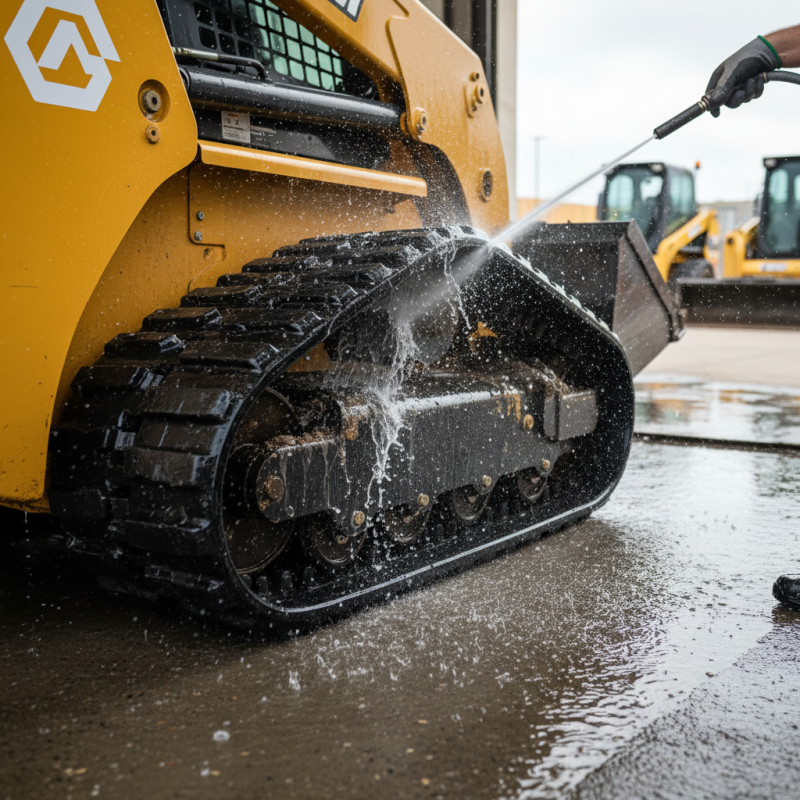
Maintaining the integrity of rubber tracks is essential for ensuring optimal performance and prolonging their lifespan. Regular inspections are critical; operators should check for signs of wear and tear, such as cracks, bulges, or uneven tread wear. Addressing these issues early can prevent more extensive damage and costly repairs down the line. It's also important to keep the tracks clean, as dirt and debris can accumulate and lead to premature wear. A simple wash with water can effectively remove buildup and help maintain traction.
Another key aspect of maintenance is ensuring proper tension in the rubber tracks. Incorrect tension can lead to slippage or excessive wear, so operators should follow manufacturer guidelines for adjustment. Additionally, monitoring the operating environment is vital; avoiding sharp objects and rough terrain can significantly reduce the risk of abrasions. Lastly, consider the impact of storage; keeping equipment in a sheltered, dry location helps prevent UV damage to the rubber tracks, thereby enhancing their longevity.