Why Choose Small Rubber Tracks for Your Business Needs?
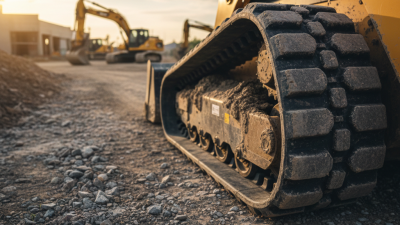
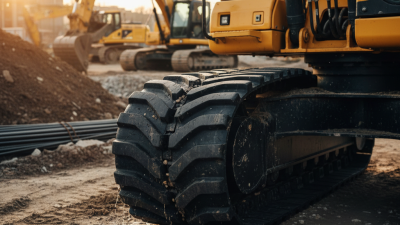
In today's competitive landscape, choosing the right equipment is crucial for any business. Small rubber tracks have gained popularity for their versatility and efficiency. Industry expert, John Anderson, emphasizes their benefits: "Small rubber tracks offer unmatched stability and traction for various applications." This statement resonates with many who have witnessed their performance firsthand.
Small rubber tracks are commonly used in construction and landscaping. Their lightweight design allows for easy maneuverability in tight spaces. Additionally, they reduce damage to delicate surfaces, making them ideal for urban projects. However, businesses must consider their specific needs when selecting tracks.
One challenge is finding the right quality. Not all small rubber tracks are created equal. Companies must research suppliers to ensure reliability and durability. It's essential to weigh the cost against long-term performance. Investing in quality can prevent costly breakdowns and delays in projects.
Benefits of Small Rubber Tracks in Various Industries
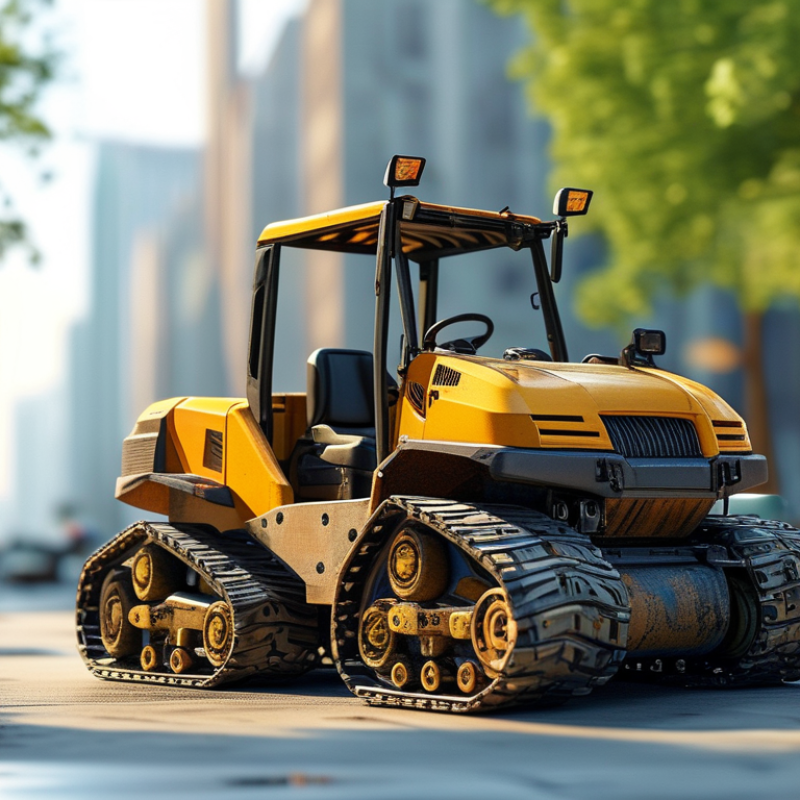
Small rubber tracks have gained popularity across various industries due to their versatility and practicality. These tracks are lightweight yet durable, making them ideal for smaller machinery and vehicles. They provide excellent traction on a variety of terrains. In agriculture, they minimize soil compaction, which is vital for crop health. This is especially beneficial in sensitive fields where traditional tracks might cause damage.
In construction and landscaping, small rubber tracks enhance maneuverability. They can navigate tight spaces that are difficult for larger machines. Their design allows for smooth operation on uneven surfaces. This reduces the risk of accidents, as operators can maintain better control. There’s a downside, though—overuse can lead to wear and tear, requiring regular maintenance to ensure efficiency.
Moreover, in the snow removal industry, these tracks perform remarkably well, providing the grip needed to tackle slippery conditions. However, businesses need to consider the initial investment and ongoing maintenance costs. It’s important to assess whether the benefits outweigh these factors. Decisions should be based on specific operational needs and environmental conditions. Understanding these elements ensures better outcomes in the long run.
Key Features to Consider When Selecting Rubber Tracks
When selecting rubber tracks for your business, several key features deserve attention.
The material is paramount.
Quality rubber compounds can enhance durability and resist wear. According to industry reports,
high-grade rubber tracks can last up to 1.5 times longer
than lower-quality options. This longevity can significantly influence your overall operational costs.
Traction and grip provide another critical consideration.
Tracks designed with superior tread patterns improve maneuverability on various terrains.
Data shows that enhanced grip can increase productivity by
20% on uneven surfaces. This is a major
factor for businesses operating in construction or agricultural sectors.
Moreover, size and compatibility are essential.
Ensure your chosen tracks fit your machinery correctly. An improper fit can lead to performance issues
and costly repairs. A well-fitted rubber track provides effective power transfer. Lastly, consider
warranties and maintenance support.
Reliable warranties can reflect the manufacturer's
confidence in their product quality. Lack of support might lead to unexpected downtime.
Cost-Effectiveness of Small Rubber Tracks for Businesses
Small rubber tracks are increasingly recognized for their cost-effectiveness in various industries. According to a recent industry report, businesses can save up to 25% on maintenance costs when using these tracks compared to traditional steel options. The lower ongoing expenses stem from reduced wear and tear on machinery, resulting in fewer breakdowns. Moreover, small rubber tracks provide excellent traction on diverse surfaces, which enhances productivity.
When considering the investment, it’s essential to evaluate the total cost of ownership. This includes initial purchase prices, maintenance costs, and the lifespan of the tracks. While rubber tracks may cost more upfront than some alternatives, the longevity and reduced maintenance needs can lead to savings over time. In fact, some studies suggest that companies experience a return on investment in less than 12 months.
Tips: Always assess your specific operational needs before making a choice. Check if rubber tracks suit your machinery type. Regular inspections can also extend the lifespan, minimizing unexpected costs. Engaging with user communities online can provide insights into the practical experiences of others. This approach helps in making informed decisions without relying solely on manufacturers’ claims.
Maintenance and Longevity of Small Rubber Tracks
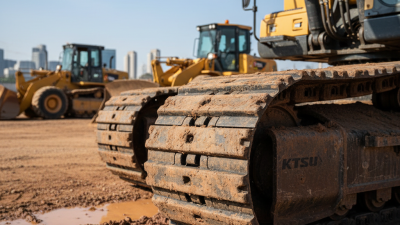
Small rubber tracks are a smart choice for various business applications, particularly when it comes to maintenance and longevity. These tracks are designed to withstand tough conditions. They are resistant to wear and tear, contributing to their extended lifespan. Over time, they reduce the frequency of replacements, ultimately saving costs. Monitoring the condition of these tracks can prevent unexpected breakdowns.
Regular maintenance is key to maximizing the longevity of small rubber tracks. Simple tasks, like keeping them clean, can make a significant difference. Debris and dirt can wear down the rubber. Inspecting them for cracks or signs of damage allows for timely repairs. Ignoring these details might lead to larger issues down the road. Piloting a routine maintenance schedule helps in identifying problems early.
While small rubber tracks generally offer durability, challenges may arise. They can be affected by environmental conditions. Exposure to extreme temperatures and chemicals can shorten their lifespan. Balancing usage and environmental factors is crucial. Business owners should regularly assess the workload placed on these tracks. This proactive approach can ensure performance remains consistent over time.
Applications of Small Rubber Tracks in Heavy Equipment
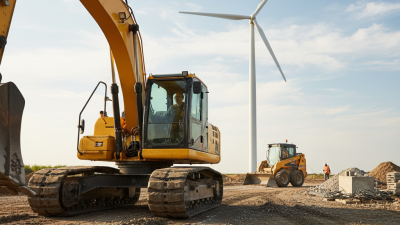
Small rubber tracks are pivotal in modern heavy equipment applications. They are widely used in construction, agriculture, and landscaping. Their flexibility allows them to navigate tight spaces with ease. These tracks provide excellent traction on various terrains, ensuring stability and reducing the risk of accidents.
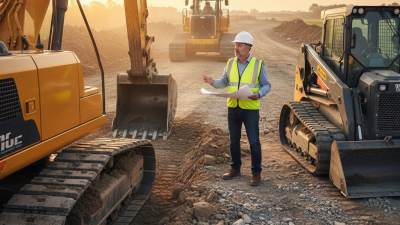
In construction, small rubber tracks are vital for mini excavators and skid steers. They minimize ground pressure, protecting delicate surfaces. This is especially beneficial in urban areas where damage to pavement is a concern. Furthermore, their lightweight design enhances fuel efficiency. This aspect often goes unnoticed, yet it significantly impacts operational costs.
Agricultural machines increasingly rely on these tracks as well. They improve vehicle mobility on wet, muddy ground. Farmers can work earlier in the season with less soil compaction. However, operators must remain cautious about track wear. Regular maintenance checks are necessary to avoid unexpected downtime. The balance of efficiency and reliability is key to maximizing productivity.