How to Choose the Best Track Loader Tracks for Your Project Needs
When embarking on a project that requires the use of heavy machinery, selecting the appropriate track loader tracks is paramount to ensure efficiency and safety. According to a report by the Construction Equipment Association, proper selection of track loader tracks can enhance machine performance by up to 25% while also minimizing operational costs. The importance of making an informed choice cannot be overstated, especially as various terrains and project requirements necessitate different specifications and features for track loader tracks.
Industry expert John Sommers, a leading consultant in construction equipment management, emphasizes, “Choosing the right track loader tracks is not just about compatibility; it’s about optimizing the equipment’s capabilities to suit the specific demands of your job site.” His insight reinforces the necessity of understanding the various factors that influence the performance and durability of tracks in different environments. As the construction industry continues to evolve, so too does the technology behind track loader tracks, making it crucial for operators and project managers alike to stay informed about the latest advancements and options available in order to make the best decisions for their projects.
Understanding Track Loader Types and Specifications
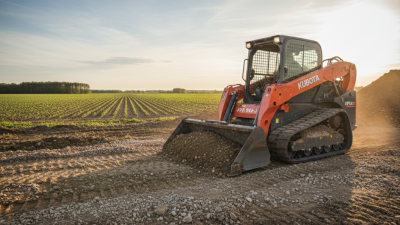
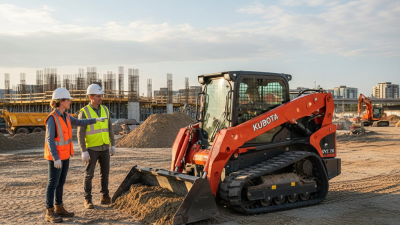
When selecting the best track loader tracks for your project needs, it’s essential to understand the various types of track loaders available in the market. Track loaders can be categorized mainly into two types: skid steer loaders and compact track loaders.
Skid steer loaders are known for their agility and ability to pivot in tight spaces, making them suitable for smaller jobs or urban environments. On the other hand, compact track loaders offer greater stability and increased traction, especially in uneven or muddy terrain, due to their wider tracks and superior weight distribution.
The specifications of track loaders further influence their suitability for different projects. Key specifications include track width, length, and material composition. Wider tracks provide better weight distribution, reducing ground pressure and minimizing the likelihood of damage to soft surfaces. Additionally, the material of the tracks is crucial; rubber tracks are typically more versatile and gentler on surfaces, while steel tracks offer enhanced durability for demanding conditions. Understanding these types and specifications allows operators to select the appropriate track loader that aligns perfectly with their project requirements and terrain challenges.
Assessing Project Requirements for Track Loader Usage
When assessing project requirements for track loader usage, it is essential to consider several key factors that will influence the type of tracks needed. First, the surface conditions of the worksite play a crucial role. Whether the area is soft and muddy, rocky, or composed of hard surfaces will determine the tread design and material of the tracks. For instance, tracks designed for muddy terrain typically feature wider treads for better flotation, while those used on rocky surfaces may require reinforced protection against punctures and abrasions.
Additionally, the weight of the track loader and the load it will carry must be evaluated. Heavier loads necessitate tracks that can support increased weight and offer greater stability. The expected operating speed and maneuverability also impact track choice; contractors may prefer tracks that enhance agility for projects requiring precise movements or those in tight spaces.
Ultimately, understanding these specific project demands will significantly guide the selection of the most appropriate track loader tracks, ensuring optimal performance and efficiency in fulfilling the project’s goals.
Evaluating Material Options for Track Loader Tracks
When selecting track loader tracks for your project, evaluating the material options is crucial to ensure optimal performance and durability. The most common materials used for track loader tracks include rubber and metal, each offering distinct advantages depending on the working environment. Rubber tracks are highly favored for their flexibility and lightweight nature, making them ideal for softer terrains where traction is essential yet ground disturbance must be minimized. They are also less damaging to sensitive surfaces, such as lawns or paved areas.
On the other hand, metal tracks, often made from steel, provide enhanced durability and longevity in rugged conditions. They are well-suited for applications involving rough, abrasive environments where the track's resilience is tested. Metal tracks offer superior traction and stability on steep inclines or loose surfaces, ensuring that your equipment can maintain optimal performance even under heavy loads. However, they can be heavier and may cause more surface damage compared to rubber tracks. Ultimately, the best choice depends on the specific needs of your project, including the terrain type and the operational demands of your loader.
Factors Influencing Track Durability and Performance
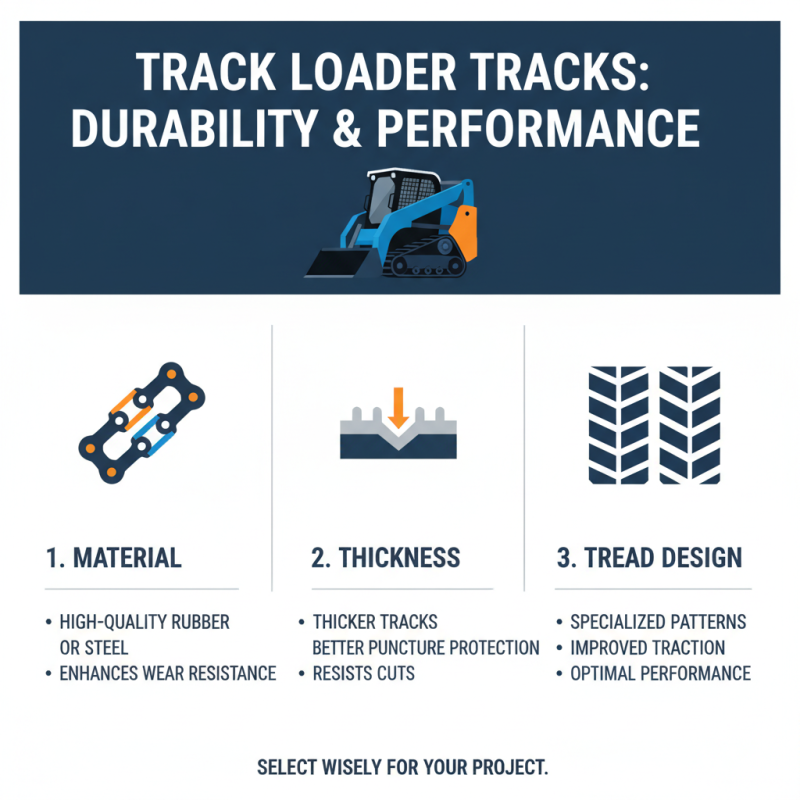
When selecting track loader tracks for your project, understanding the factors that influence track durability and performance is crucial. One of the primary elements is the material composition of the tracks. High-quality rubber or steel tracks can greatly enhance durability and resistance to wear, especially in rugged environments. The thickness and tread design also play significant roles; thicker tracks tend to offer better protection against punctures and cuts, while specialized tread patterns can improve traction on various surfaces, ensuring optimal performance.
Another important consideration is the operating conditions in which the track loader will be used. For instance, tracks suitable for muddy or wet terrains may need to feature deeper treads for improved drainage and grip, whereas those working on rocky or uneven grounds may focus more on reinforced sidewalls to prevent damage. Additionally, track width can influence stability; wider tracks distribute weight more evenly and reduce ground pressure, which can prolong the life of both the track and the machinery. Understanding these factors will help in making a well-informed decision tailored to specific project needs.
Maintenance Tips for Extending Track Lifespan
Proper maintenance of track loader tracks is essential for maximizing their lifespan and ensuring optimal performance on the job site. One of the most important maintenance tips is to regularly inspect the tracks for signs of wear and damage. Look for cracks, fraying, or missing pieces that could lead to more significant problems. By addressing these issues early, you can prevent more extensive repairs and increases in downtime.
Another critical aspect of track maintenance is keeping the tracks clean. Debris, mud, and other contaminants can build up and cause unnecessary wear on the track's components. Regularly cleaning the tracks, particularly after use in muddy or rocky conditions, will help maintain their integrity.
Additionally, lubricating the track system according to the manufacturer's guidelines will ensure smooth operation and reduce friction, further extending the lifespan of your tracks. By implementing these maintenance practices, you can enhance the durability and efficiency of your track loader.