Essential Tips for Choosing Quality Aftermarket Rubber Tracks for Your Equipment
When it comes to maintaining and enhancing the performance of heavy equipment, choosing the right aftermarket rubber tracks is crucial. These tracks not only play a vital role in ensuring smooth operation but also impact the overall efficiency and longevity of your machinery. With various options available in the market, identifying quality aftermarket rubber tracks can be overwhelming for both seasoned professionals and newcomers alike. Understanding the essential factors to consider when making this decision is fundamental for anyone looking to optimize their equipment's functionality.
In this article, we will explore key tips for selecting high-quality aftermarket rubber tracks. From assessing compatibility with your machinery to evaluating the durability of the materials used, each aspect influences not just performance but also the return on investment. By making informed choices, equipment operators can ensure they are using tracks that withstand the rigors of their specific applications, thereby minimizing downtime and maximizing productivity. Whether you’re involved in construction, agriculture, or any industry reliant on heavy machinery, ensuring you have the right aftermarket rubber tracks is essential for long-term success.
Understanding the Importance of Quality Aftermarket Rubber Tracks
When it comes to maintaining your heavy equipment, the quality of aftermarket rubber tracks cannot be overstated. These tracks not only affect the performance and efficiency of your machinery but also play a critical role in safety. High-quality rubber tracks enhance traction, reduce wear and tear on your equipment, and can significantly extend the lifespan of your machinery. Understanding the importance of selecting quality tracks is essential for ensuring optimal operation and minimizing downtime, as poor-quality tracks can lead to costly repairs and replacements.
To make an informed decision when choosing aftermarket rubber tracks, consider these tips: First, always check the material composition. Quality tracks are typically made from high-grade rubber compounds that offer durability and resistance to abrasions. Second, look for tracks that are designed specifically for your equipment type, as this ensures a better fit and performance. Lastly, consult user reviews and seek recommendations from industry professionals to gauge the reliability of the tracks you are considering.
Investing in high-quality aftermarket rubber tracks may come with a higher initial cost, but the long-term benefits in terms of efficiency and reduced maintenance costs are undeniable. Prioritizing quality will enhance your equipment's performance and provide peace of mind, knowing that you are utilizing components that have been crafted to withstand the demands of rigorous operational environments.
Essential Tips for Choosing Quality Aftermarket Rubber Tracks
Key Factors to Consider When Selecting Rubber Tracks for Equipment
When selecting rubber tracks for your equipment, several key factors play a crucial role in ensuring optimal performance and longevity. The tread pattern is one of the most important elements to consider, as it significantly affects traction and stability. According to industry studies, the right tread design can enhance grip by up to 30%, particularly in challenging terrains, which is vital for maximizing productivity and minimizing downtime.
Another critical aspect is the material composition of the rubber tracks. High-quality tracks typically use a blend of natural and synthetic rubber, reinforced with steel cords for added strength and durability. Reports indicate that tracks made from superior materials can withstand wear and tear for 20-30% longer than lower quality alternatives, ultimately leading to lower replacement costs over time.
Additionally, examining the track width and length is essential for compatibility with your equipment, as proper fitting can help to avoid unnecessary stress on the undercarriage and improve overall operational efficiency. Making informed choices based on these factors can greatly enhance the functionality and lifespan of your machinery.
Assessing Compatibility: Ensuring the Right Fit for Your Machinery
When it comes to choosing aftermarket rubber tracks for machinery,
ensuring compatibility is crucial. A study by the International Construction Equipment Manufacturers Association
highlights that improper fit can lead to a 25% increase in operational costs due to accelerated
wear and tear. Therefore, assessing the specifications of both your equipment and the tracks is essential.
This means checking not only the dimensions but also the weight load capacities and tread patterns that best suit
the operating conditions your machinery will face.
Another key factor in compatibility assessment is the type of terrain where the machinery will be used.
According to the American Society of Agricultural and Biological Engineers,
different rubber track designs are optimized for specific surfaces, such as muddy, sandy, or rocky terrains.
Selecting tracks that are designed for your environment can enhance traction, reduce ground pressure,
and improve overall efficiency. Understanding these variables can significantly
influence the lifespan of your tracks and the performance of your equipment, making it vital to choose wisely.
Evaluating Durability and Performance Ratings of Rubber Tracks
When selecting aftermarket rubber tracks for your equipment, evaluating their durability and performance ratings is crucial. Durability is often assessed through various factors, including the material composition and tread design. High-quality tracks typically use advanced rubber compounds that resist wear and provide superior traction on different terrains. Additionally, tread patterns play a significant role in performance; deeper treads offer better grip in muddy or uneven conditions, while smoother treads can improve fuel efficiency on paved surfaces.
Performance ratings can often be found in product specifications and manufacturer guidelines. It's essential to consider the load capacity and operating conditions for which the tracks are designed. A track's performance is significantly influenced by its ability to absorb shock and provide a stable platform for your machinery. Reviewing user feedback and independent testing results can also provide insights into how well these tracks perform in real-world applications. By focusing on durability and performance ratings, you can ensure that you choose a quality aftermarket rubber track that meets your operational needs effectively.
Essential Tips for Choosing Quality Aftermarket Rubber Tracks for Your Equipment
| Aspect |
Rating Scale |
Durability (Hours) |
Performance Factor |
| Material Quality |
1-10 |
2000 |
0.85 |
| Tread Design |
1-10 |
1800 |
0.80 |
| Weight Capacity |
1-10 |
1500 |
0.88 |
| Weather Resistance |
1-10 |
2500 |
0.90 |
| Overall Performance |
1-10 |
2200 |
0.87 |
Comparing Costs: Balancing Quality and Budget for Rubber Tracks
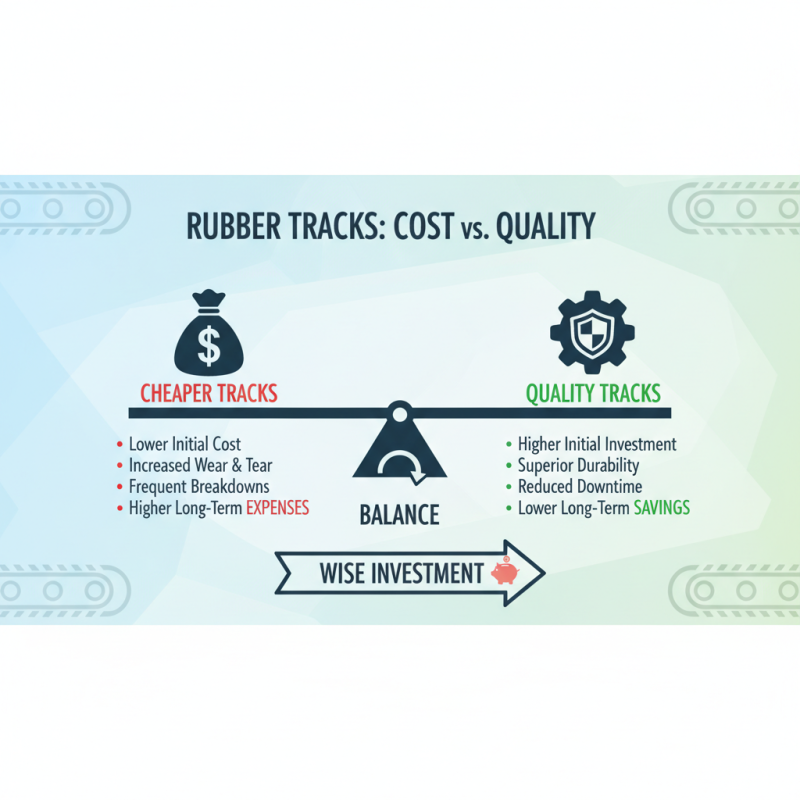
When considering the purchase of aftermarket rubber tracks for your equipment, understanding the cost implications while balancing quality is crucial. While opting for cheaper tracks might initially seem advantageous from a budgeting standpoint, it can lead to higher long-term expenses due to increased wear and tear and potential damage to your machinery. Quality rubber tracks tend to offer better durability and performance, resulting in fewer breakdowns and maintenance needs, ultimately saving you money over time.
It is essential to evaluate the long-term value rather than just the upfront cost. Seek out suppliers who provide detailed information about the materials and production processes used in their aftermarket tracks. Investing in high-quality rubber tracks can enhance your equipment’s efficiency and longevity, making it a sensible choice for professionals who rely heavily on their machinery for daily operations. Additionally, consider factors like warranty offerings and customer support when comparing costs, as these can further impact your overall satisfaction and financial outcome in the long run.