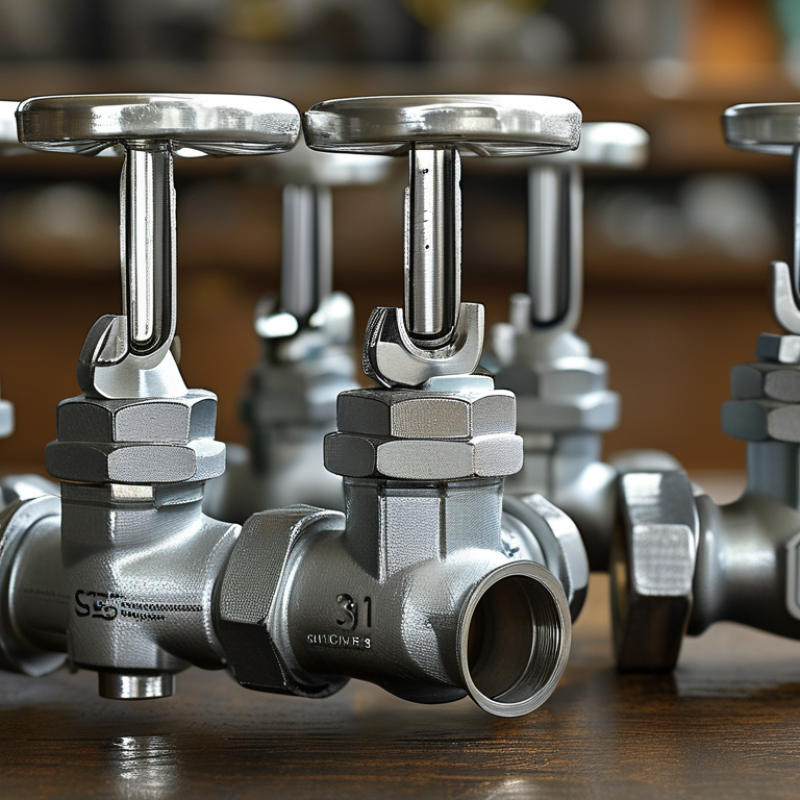
How to Choose the Right 316 Stainless Steel Ball Valve Stem?
Choosing the right 316 Stainless Steel Ball Valve Stem can be challenging. This vital component affects the valve's overall performance and longevity. A suitable stem ensures reliable operation in various applications, from industrial systems to residential plumbing.
Consider the stem's design and compatibility with your system. Various factors influence your choice, including pressure ratings, temperature limits, and flow characteristics. Also, take into account the environmental conditions. Corrosive environments may require special coatings or materials.
A qualified supplier can provide valuable insights on different stem options. However, it's essential to remain vigilant about claims and marketing. Not all products deliver the promised benefits. Researching thoroughly and seeking expert opinions can help you make a well-informed choice. Your decision could significantly impact system efficiency and safety.
Understanding the Basics of 316 Stainless Steel Ball Valves
316 stainless steel ball valves are widely used in various industrial applications. They feature excellent corrosion resistance and durability. Understanding how these valves work is essential for selecting the right components, including the valve stem. The valve stem serves as a bridge between the actuator and the valve ball, ensuring smooth operation.
When choosing a stem for a 316 stainless steel ball valve, consider the working environment. High temperatures and aggressive chemicals can impact performance. A stem made from quality materials will withstand these conditions. However, not all stems are created equal, and sometimes manufacturers may compromise on material quality, leading to premature wear. Look for specifications that highlight the stem's resistance to corrosion and wear.
Another factor to weigh is the stem design itself. A properly designed stem will fit seamlessly within the valve, providing reliable sealing. However, a poorly designed stem can lead to leaks or malfunctions. It’s worth investing time to compare different designs and their specifications. Questions about stem compatibility and quality should always be considered when making a choice.
How to Choose the Right 316 Stainless Steel Ball Valve Stem? - Understanding the Basics of 316 Stainless Steel Ball Valves
| Dimension | Material | Temperature Rating (°C) | Pressure Rating (PSI) | End Connections |
| 1/2" | 316 Stainless Steel | -50 to 150 | 600 | Threaded |
| 3/4" | 316 Stainless Steel | -50 to 150 | 600 | Flanged |
| 1" | 316 Stainless Steel | -50 to 150 | 600 | Welded |
| 1-1/2" | 316 Stainless Steel | -50 to 150 | 600 | Threaded |
| 2" | 316 Stainless Steel | -50 to 150 | 600 | Flanged |
Key Considerations When Selecting a Ball Valve Stem
Choosing the right stem for a 316 stainless steel ball valve is crucial for performance and durability. The stem must match the valve's application and operating environment. It’s important to consider the pressure and temperature ratings. According to the American Society of Mechanical Engineers (ASME), 316 stainless steel is suitable for pressures up to 1,500 psi at ambient temperatures.
The stem's design also impacts functionality. Multi-piece or one-piece designs can change leak rates and extend lifespan. A study by the Valve Manufacturers Association indicated that a good seal can reduce maintenance costs by nearly 30%. Ensure that the chosen stem integrates well with the actuator type. Compatibility can affect response times and overall efficiency.
Corrosion resistance is another key factor. While 316 stainless steel is more resistant than many alloys, environments with chlorides can pose risks. An ASTM report noted that even 316 can suffer from pitting in harsh conditions. It’s essential to weigh these risks against application requirements. Assess the quality of the valve’s manufacturer to ensure reliability.
Material Compatibility: Why 316 Stainless Steel Matters
Choosing the right materials for components like 316 stainless steel ball valve stems is crucial. 316 stainless steel has excellent corrosion resistance, making it ideal for various environments. It’s particularly effective in acidic and saline conditions. This durability doesn't come without limits; prolonged exposure to harsh chemicals can still pose risks.
Compatibility with different fluids is another factor to consider. The material can withstand many chemicals, but not all. Understanding the specific application is vital. For example, processes involving strong oxidizers may require alternative materials. Research into applications shows that using the wrong stem can lead to costly failures.
Regular maintenance can help mitigate some issues associated with material degradation. Inspection schedules should include checks for signs of wear or corrosion. Ignoring these can lead to larger problems down the line. Balancing performance with the environment is key when selecting your ball valve components. Understanding material limits can improve decision-making and ensure safety and reliability.
Assessing Size and Specifications for Optimal Performance
When selecting a 316 stainless steel ball valve stem, it’s crucial to focus on size and specifications. The stem’s dimension must match the valve body to ensure proper function. A mismatch can lead to leaks or operational failures. For instance, a stem that is too short will not provide adequate sealing, while one that is too long may interfere with valve operation.
Next, consider the specifications such as pressure ratings and temperature tolerances. These criteria substantially impact performance. High-pressure environments require robust materials and precise dimensions. Using the wrong specifications can compromise safety and efficiency. For example, a stem rated for lower pressure may fail in a high-pressure system, risking costly damage.
Lastly, installation can create challenges. Aligning the stem correctly during installation is essential. Misalignment can lead to uneven wear and premature failure. Regular maintenance checks are necessary to ensure the valve remains operational. Observing slight changes in performance can help identify issues before they escalate.
Maintenance Tips for Prolonging the Life of Ball Valve Stems
Maintaining the longevity of 316 stainless steel ball valve stems is critical for optimal performance. Regular maintenance practices can significantly extend their lifespan. For instance, lubrication is essential. A well-lubricated stem reduces friction, which minimizes wear. Research suggests that improper lubrication can reduce operational efficiency by up to 30%. This fact highlights the importance of choosing the right lubricant compatible with stainless steel.
Corrosion resistance is another key consideration. Even though 316 stainless steel is highly resistant to rust, it is not entirely immune. Exposure to harsh chemicals can degrade the stem's integrity over time. Performing regular inspections helps identify early signs of corrosion. Industry reports indicate that proactive maintenance can boost equipment lifespan by as much as 50%. Addressing issues promptly can prevent costly repairs or replacements down the line.
Temperature fluctuations also impact valve performance. Extreme heat or cold can cause the stem to expand or contract, leading to mechanical failure. Proper insulation can mitigate these effects. However, many overlook this simple solution. Balancing various maintenance strategies is challenging yet necessary. Sometimes, a minor oversight can lead to significant complications. Taking a multifaceted approach to care can help avoid these pitfalls.