How to Choose the Right Artificial Lift Technologies for Oil Wells?
Choosing the right Artificial Lift Technologies for oil wells is crucial for maximizing production. With various options available, each technology has its unique advantages and limitations. This decision impacts operational efficiency and costs directly.
Artificial Lift Technologies, like beam pumps and gas lift systems, cater to different well conditions. Selecting the appropriate method requires a thorough analysis of factors. These include reservoir characteristics and fluid properties. Each choice involves trade-offs. Sometimes, a technology may promise high yield but complicate maintenance.
Many operators overlook these details. They often choose technologies based on trends rather than suitability. This can lead to inefficiencies and increased downtime. Understanding the specific needs of the well is vital. It is not just about what is popular but what is effective. A careful assessment can make a significant difference in overall production outcomes.
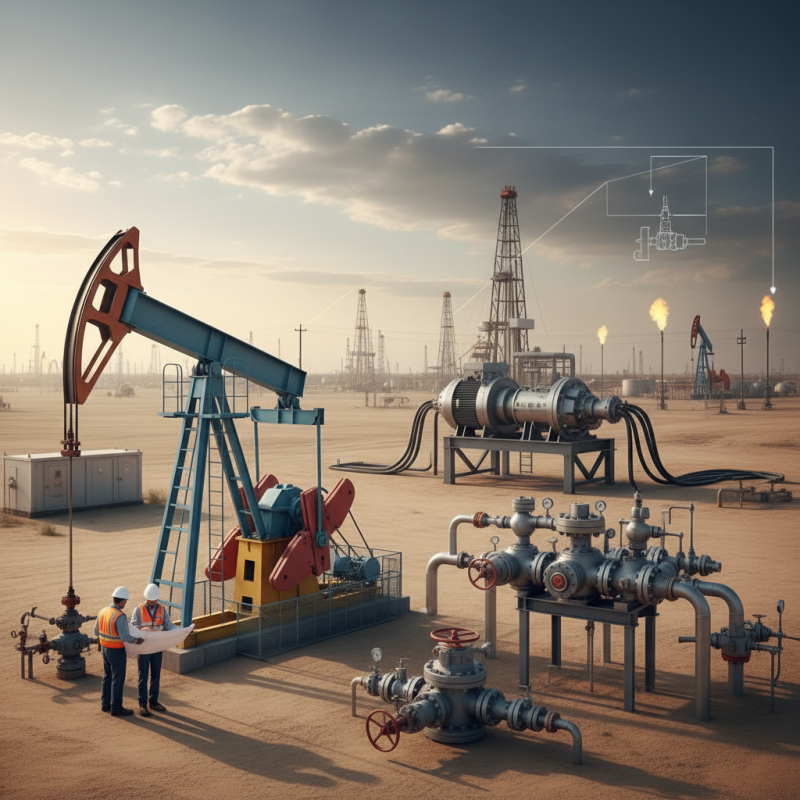
Understanding Artificial Lift Technologies in Oil Production
Artificial lift technologies play a crucial role in enhancing oil production. These systems are essential when reservoir pressure declines over time. According to a report by the International Energy Agency (IEA), around 50% of global oil production utilizes some form of artificial lift. This highlights its importance in maintaining flow rates.
Several types of artificial lift methods exist, such as rod pumps and gas lifts. Each has its specific applications and benefits. For instance, rod pumps work well in low-pressure wells but struggle in deep reservoirs. In contrast, gas lifts can optimize production in a wider range of conditions. However, not all technologies suit every well. Choosing the right one requires an in-depth understanding of reservoir characteristics.
Many engineers may overlook the total cost of ownership when selecting artificial lift technology. This includes initial investment, operational costs, and maintenance expenses. Reports suggest that improper selection can lead to financial losses. A thorough analysis helps avoid common mistakes. Understanding pressure, temperature, and fluid types is vital for informed decisions. Ultimately, the right technology can significantly boost production efficiency while reducing downtime.
Artificial Lift Technologies Usage in Oil Production
Factors Influencing the Choice of Artificial Lift Methods
Choosing the right artificial lift method for oil wells is complex. Several factors influence this decision. One critical aspect is the depth and pressure of the well. According to a report by the Society of Petroleum Engineers, wells deeper than 10,000 feet often require specialized lifting techniques. This ensures efficient extraction while minimizing production costs.
Another crucial element is fluid characteristics. The oil’s viscosity impacts the performance of various Artificial Lift Systems. For instance, in high-viscosity scenarios, gas lift may not be effective. Field studies indicate that up to30% of production can be lost when inappropriate lift methods are used. Furthermore, environmental considerations play a role. Regulatory requirements can limit available technologies, making some solutions impractical.
Cost also cannot be overlooked. Initial installation and ongoing maintenance impact profitability. A survey from the American Petroleum Institute shows that up to 60% of operators reconsider their lift selection based on unexpected operational costs. Balancing these factors requires careful analysis, often resulting in trial and error. After all, the wrong choice can significantly affect oil recovery rates and overall project success.
Comparative Analysis of Common Artificial Lift Technologies
When selecting an artificial lift technology, consider several common types. Each has its unique applications and limitations. For example, electric submersible pumps (ESPs) are efficient for large volumes but may fail under certain conditions, like high temperatures. Rod pumps are simple but can experience wear and tear quickly. Understanding these nuances helps in making the right choice.
Progressing cavity pumps offer stable flow rates, yet their installation can be complicated. They might not suit every well depth or fluid type. Gas lift systems provide flexibility, but they require a gas supply, which may not always be available. Each technology should be evaluated based on the specific requirements of the well, like production rates and fluid characteristics. Making a hasty decision might lead to increased costs and operational inefficiencies.
Assessing Well Characteristics for Optimal Artificial Lift Selection
Choosing the right artificial lift technology for oil wells can be complex. It requires a careful assessment of well characteristics. According to a report by the International Association for Oil & Gas Producers, 80% of oil wells in production use some form of artificial lift. Each well has unique attributes that can influence the selection process. Flow rates, reservoir pressure, and fluid composition are key factors to consider.
For example, wells with higher gas-to-oil ratios may benefit from gas lift systems. Conversely, heavy oil wells often require the use of electrical submersible pumps. The Energy Information Administration suggests that around 40% of oil production in the U.S. comes from wells utilizing various artificial lift techniques. Thus, understanding these dynamics can lead to more effective lift solutions.
However, misjudging well conditions can result in suboptimal lift selection. Overestimating flow potential could lead to equipment failure or increased operational costs. It’s crucial to perform comprehensive well tests. Collecting accurate data on well behaviors enhances decision-making. This data-driven approach reduces risks and optimizes production. Making informed choices is essential in today’s competitive oil market.
Evaluating Cost-Effectiveness of Artificial Lift Solutions
Choosing the right artificial lift technology is crucial for optimizing oil well production. Evaluating cost-effectiveness is a vital step in this decision. Operators often face various options, each with unique costs and benefits. Analyzing these involves understanding initial investments, operating expenses, and maintenance needs.
When examining cost-effectiveness, consider production rates. Some technologies might show promise initially but may not sustain long-term efficiency. For instance, while an electrical submersible pump may have a high upfront cost, its energy efficiency could lead to significant savings over time. However, unexpected failures can result in costly downtime.
Additionally, the local geology plays a critical role. Different wells have unique characteristics that can affect performance. It’s crucial to assess whether the chosen technology can adapt. Some solutions may seem perfect on paper but fail in practice. Regular reviews and adjustments are necessary to ensure continued effectiveness. Keep in mind that what works today might not be viable tomorrow.