How to Choose Steel Excavator Tracks for Your Heavy Equipment?
Choosing the right steel excavator tracks for your heavy equipment is crucial. The tracks directly affect performance and durability. Poor choices can lead to costly repairs and downtime. It's essential to understand the types of steel tracks available.
Different projects require different specifications. Some tracks offer better traction, while others excel in durability. Evaluating your equipment's needs will guide you in making an informed decision. Consider the operating environment, too. Rocky terrains might require sturdier options.
Steel excavator tracks vary in quality and price. Research trusted brands and seek expert reviews. A well-informed decision can enhance productivity. Always reflect on your previous choices. Sometimes, what seemed right turned out wrong. Ensure to analyze every factor thoroughly before making your final purchase.
Understanding Different Types of Excavator Tracks and Their Applications
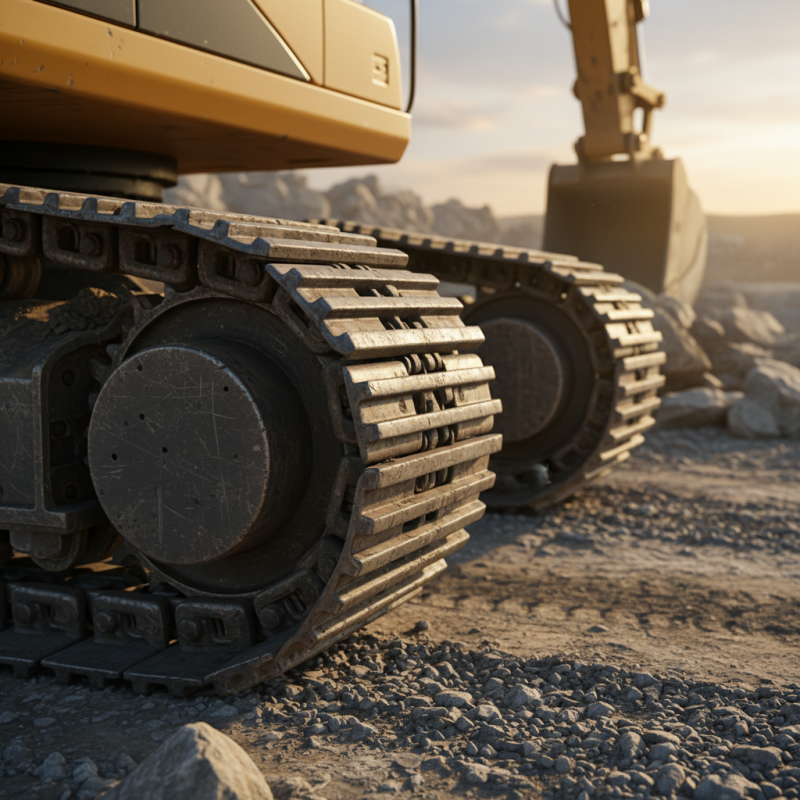
When selecting steel excavator tracks, understanding their types and applications is crucial. Excavator tracks can be broadly categorized into steel tracks and rubber tracks. Steel tracks offer durability and are best for rugged terrains. They are resistant to wear and tear, making them suitable for heavy-duty excavation tasks. However, they can cause damage to finished surfaces.
Rubber tracks are quieter and less destructive. They are ideal for urban or residential areas where ground protection is essential. These tracks provide a good balance between traction and surface friendliness. Yet, they are not as long-lasting as steel tracks in harsh conditions.
Tips: Always consider the terrain. A rocky or uneven site may necessitate steel tracks. For softer ground or developed sites, rubber might be better. Assess your workload too. High-impact tasks often favor steel. Reflect on your equipment's specific needs. Customizing your choice can lead to more efficient operations.
Excavator Tracks Comparison
This chart compares the durability ratings of different types of excavator tracks based on a scale of 1 to 10, allowing you to understand which type might be best suited for your heavy equipment needs.
Assessing the Load Bearing Capacity and Durability of Steel Tracks
When selecting steel excavator tracks, assessing load-bearing capacity is crucial. These tracks must support not only the excavator's weight but also the material being moved. Different projects may require varying weights, making it essential to know the excavation's demands. A lack of understanding may lead to track failure, compromising job efficiency.
Durability is another key aspect of steel tracks. Tracks subjected to rough terrain or heavy loads experience more wear and tear. Choosing tracks with higher tensile strength and better resistance to wear extends their lifespan. Sometimes, operators overlook these details, believing all tracks are interchangeable. This can lead to costly replacements and project delays.
It's vital to consider the environment in which the excavator will operate. Soft ground may necessitate wider tracks for better distribution of weight. However, narrower tracks can be effective on firmer surfaces. Operators must reflect on their specific needs and conditions. This thought process can prevent future issues with equipment performance.
How to Choose Steel Excavator Tracks for Your Heavy Equipment?
| Track Type |
Load Bearing Capacity (lbs) |
Material Thickness (mm) |
Durability Rating (1-10) |
Average Lifespan (hours) |
| Standard Steel Tracks |
20,000 |
8 |
7 |
2,500 |
| Heavy-Duty Steel Tracks |
25,000 |
10 |
9 |
3,000 |
| Modified Steel Tracks |
22,000 |
9 |
8 |
2,800 |
| Rubber-Coated Steel Tracks |
18,000 |
7 |
7 |
2,200 |
Evaluating Track Width and Length for Optimal Performance and Stability
When selecting steel excavator tracks, evaluating track width and length is crucial for ensuring optimal performance and stability. Wider tracks provide enhanced stability, reducing the risk of tipping on uneven terrain. They distribute the machine's weight over a larger surface area. This helps prevent excessive ground pressure on softer surfaces. However, wider tracks may limit maneuverability in confined spaces.
Track length also plays a vital role in performance. Longer tracks improve traction by increasing the contact area with the ground. This can be particularly beneficial in muddy or loose soil conditions. However, they may increase wear on the machine when used in rough terrain. It’s important to find a balance between length and width based on the specific job requirements.
When choosing tracks, consider the machine's weight and the type of work it will perform. An oversized track may cause operational difficulties, while undersized tracks can compromise stability. Often, operators overlook these factors. They may focus solely on material quality rather than dimensions. It's essential to approach this decision thoughtfully, ensuring the selected tracks fit the unique demands of each project.
Cost Analysis: Balancing Quality and Price in Steel Excavator Tracks
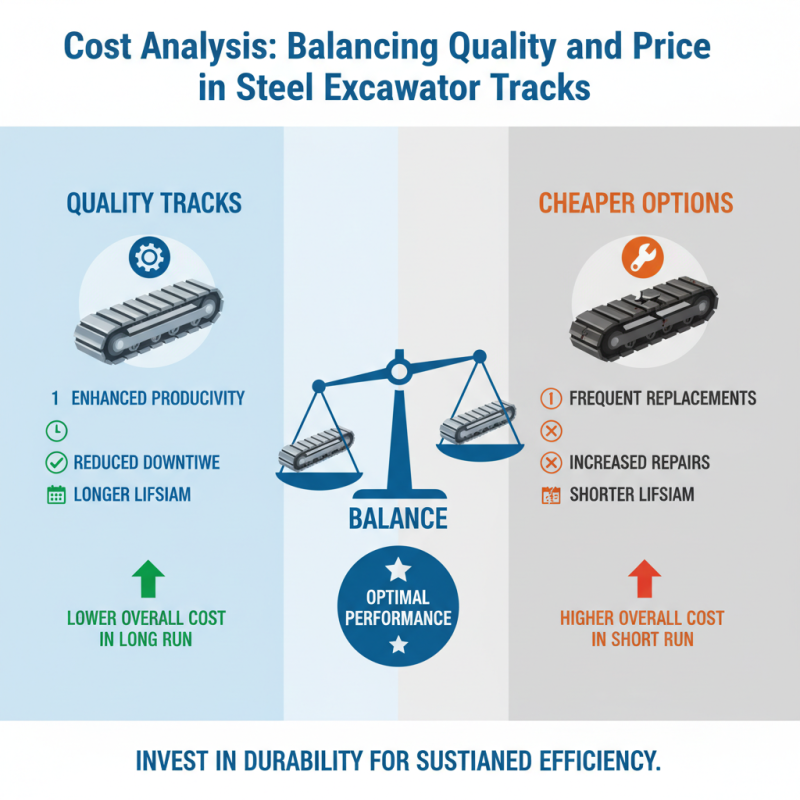
Choosing the right steel excavator tracks requires balancing quality and price. It’s essential to understand both aspects for long-lasting performance. Quality tracks can enhance productivity and reduce downtime. However, cheaper options may lead to frequent replacements or repairs. This can increase overall costs, negating initial savings.
Consider factors like material strength, tread design, and wear resistance when evaluating quality. Look for tracks that withstand harsh environments and heavy loads. Often, investing a bit more in high-quality tracks pays off. For instance, tracks that are built with advanced technology can offer better traction and longevity. Be wary of extremely low-cost alternatives—they might not deliver on durability.
In the quest for the best deal, conduct thorough research. Reviews and testimonials can reveal real-world performance. It’s also wise to consult with industry experts. Track choices should reflect not only immediate needs but also future operations. In the end, making an informed decision requires balancing perceived value with practical application.
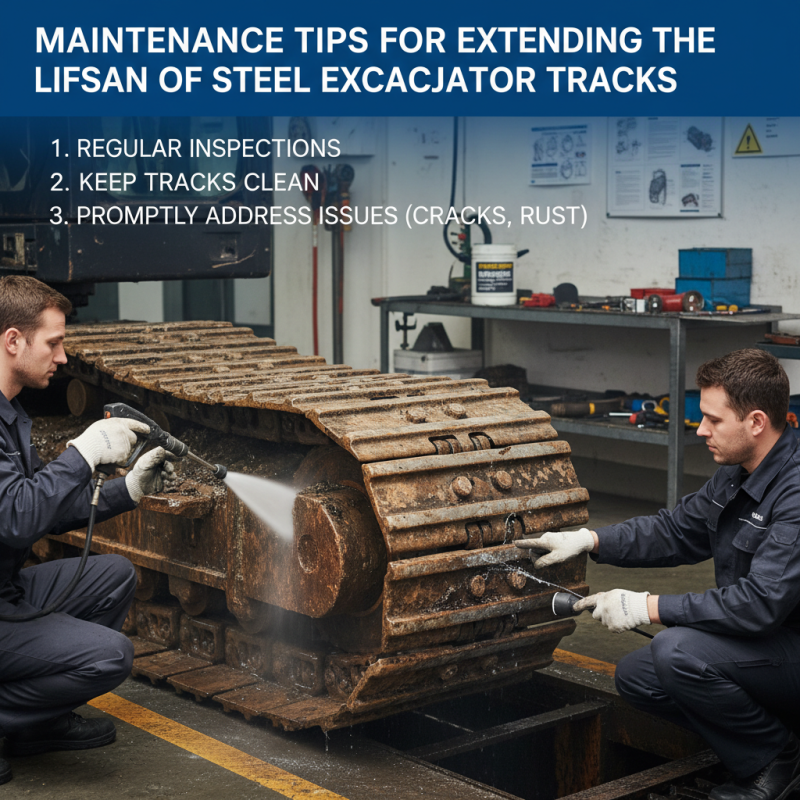
Maintenance Tips for Extending the Lifespan of Steel Excavator Tracks
Proper maintenance is crucial for extending the lifespan of steel excavator tracks. Regular inspections can catch wear and tear early. Look for signs of cracks, rust, or any deformation. Addressing these issues promptly can prevent more severe problems. Keeping tracks clean is essential as well. Dirt and debris can lead to premature wear. A simple wash after use can go a long way.
Lubrication is often overlooked. Apply grease to the track joints and rollers according to the manufacturer’s guidelines. This practice helps reduce friction and extend track life. Furthermore, monitor your equipment's alignment. Misalignment can put unnecessary stress on the tracks. If you notice uneven wear, it may signal a deeper issue needing attention.
Another point of reflection is operational habits. Avoiding sudden starts or stops can help minimize wear. Train operators to be gentle while maneuvering heavy equipment. Even slight adjustments in driving behavior can drastically influence track longevity. Paying attention to these details may require extra effort, but it pays off in the long run.