2026 How to Choose the Best Diesel Water Pump Unit?
Choosing the right Diesel Water Pump Unit is crucial for efficient water management. The global market for diesel water pumps is projected to grow at a rate of 5.6% annually. This growth reflects increasing demand in various sectors, including agriculture and construction. A high-quality diesel water pump enhances productivity and minimizes downtime.
When selecting a unit, consider factors such as flow rate, durability, and fuel efficiency. A reliable pump can handle challenging conditions. Not every unit will meet your needs perfectly. Users often report challenges with maintenance and servicing. It's vital to choose a diesel water pump that offers support and spare parts.
Additionally, think about noise levels and environmental concerns. Some diesel units can be quite loud and emit pollutants. Striking a balance between performance and compliance is essential. Research and consult industry reports to make an informed decision. A well-chosen Diesel Water Pump Unit can lead to significant long-term benefits.
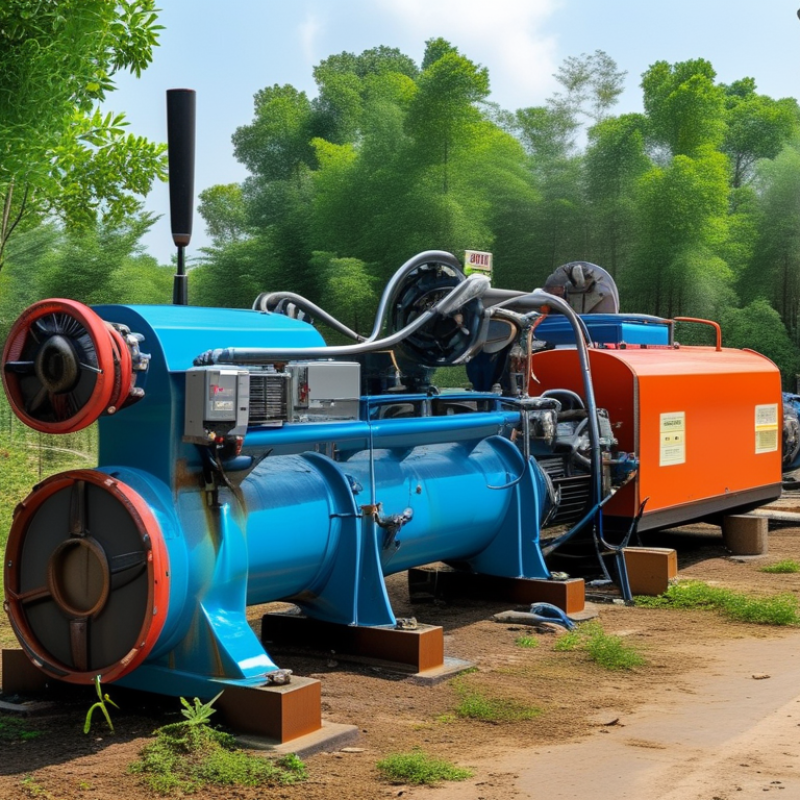
What to Consider When Selecting a Diesel Water Pump Unit
Choosing the right diesel water pump unit requires careful consideration. Start by assessing the pump's flow rate and pressure. Flow rate indicates how much water the pump can move, often measured in gallons per minute (GPM). Ensure that this rate meets your specific needs.
Pressure, measured in pounds per square inch (PSI), indicates the pump's ability to push water through hoses and fittings.
Think about the operation environment. Is it for a construction site, irrigation, or emergency use? Each scenario has different requirements. Noise levels can also impact your choice. Some environments need quieter operations, while others may not have that concern. Fuel efficiency is another crucial aspect. A unit that consumes less fuel will save costs over time.
Maintenance needs should not be overlooked. Some pumps require regular servicing, while others are more self-sufficient. Understand the maintenance schedule and what parts might need frequent replacement. Lastly, evaluate the warranty and customer support options available. A reliable support system is vital for long-term peace of mind. The best choice may not always be clear at first glance. Take your time to reflect on each option available.
Understanding the Different Types of Diesel Water Pumps
When selecting a diesel water pump unit, it’s vital to understand the various types available. Submersible pumps are excellent for deep wells and submerged applications. They work underwater, providing consistent flow rates.
Another type is the centrifugal pump, which uses rotational energy to move water. They are versatile and can handle large volumes. Still, they might struggle with high viscosity fluids. It's essential to evaluate the specific requirements of your application before choosing.
Tips: Always check the pump's flow rate and pressure capabilities. Assess the site conditions to determine if a submersible or centrifugal pump suits your needs. Be cautious of potential issues, such as overheating in a poorly ventilated area.
Prioritize reliability and maintenance simplicity for long-term efficiency.
Key Specifications and Features of Diesel Water Pumps
When selecting a diesel water pump unit, key specifications and features play a vital role. Focus on the pump's flow rate, measured in gallons per minute (GPM). A higher flow rate indicates the pump's efficiency in moving water rapidly. Look for a unit with a solid construction to ensure durability. This can prevent costly repairs in the future.
Consider the power output of the diesel engine. Efficient engines not only provide robust performance but also consume less fuel. Noise levels are another critical factor. Some diesel pumps can be surprisingly loud, which might disrupt operations in noise-sensitive areas.
Tips: Check for soundproofing features if noise is a concern. Evaluate the availability of spare parts. Smooth maintenance can extend the unit's lifespan. Also, consider portability. A lighter unit can be easier to transport to various job sites.
Reflect on your specific needs. What is the primary purpose of the pump? Understanding your requirements helps narrow down options. Diesel water pumps are available in different sizes and capacities. Choose one that fits your operational needs without excess.
2026 Diesel Water Pumps Key Specifications
Evaluating Brand Reliability and Customer Support
When selecting a diesel water pump unit, evaluating brand reliability and customer support is crucial. According to the latest industry reports, about 25% of customers experience issues with their pumps within the first year. Reliable brands often have robust customer support, which helps mitigate these early challenges. Documentation, responsiveness, and direct communication channels are vital indicators of good support systems.
Tips: Check online reviews. 80% of users base their decisions on customer feedback. Look for brands with a solid reputation for responsiveness. A delay in addressing concerns can lead to downtime and inefficiencies.
Brand reliability is not just about performance but also the availability of parts. A report by industry analysts indicates that brands with accessible replacement parts reduce repair time by 40%. Choosing a brand with a history of reliable performance can make a significant difference. Yet, reliance on brand names can be misleading. Not all well-known brands deliver quality. Research and due diligence are your best allies in this regard.
Tips: Investigate warranty offers. A long warranty often reflects a manufacturer's confidence in their product. Also, assess the availability of service centers in your area. Accessibility can greatly influence your long-term satisfaction.
Cost Considerations and Budgeting for a Diesel Water Pump Unit
When considering the purchase of a diesel water pump unit, cost is a significant factor. The price can range widely depending on capacity, efficiency, and brand. A good quality unit typically starts around $1,500 but can soar to $10,000 for heavy-duty models. It's critical to assess your budget and the specific needs of your operation. Often, people overlook ongoing costs, such as fuel and maintenance. Diesel engines generally have a longer lifespan than gasoline, resulting in lower long-term expenses.
In a market analysis conducted by the American Society of Mechanical Engineers, operational costs can account for over 70% of total ownership costs. This statistic emphasizes the importance of evaluating long-term savings versus upfront expenses. Many buyers focus solely on initial costs, neglecting how efficiency drives overall spending. User reviews indicate that neglecting regular maintenance can lead to unexpected breakdowns, which adds to repair costs.
Consider the total cost of ownership before making a decision. Investing in a high-quality, efficient diesel water pump can reduce frustrations and save money in the long run. Spending less on a cheaper model may lead to higher maintenance costs, ultimately affecting productivity. The balance between upfront investment and long-term savings requires careful thought and analysis.