How to Choose the Right Conveying Device for Your Business?
Choosing the right Conveying Device for your business can significantly impact efficiency and productivity. Expert Mark Thompson, a leading authority in the conveying device industry, states, "The right conveying device can streamline processes and enhance workflow." Selecting the appropriate equipment requires an understanding of your specific needs and the available options.
When evaluating conveyor systems, consider your product types and space constraints. Different materials require varying handling methods. For instance, bulk items might need belt conveyors, while packaged goods could be better suited for roller systems. It can be overwhelming to navigate through various features and functions of each conveying device.
In addition, expert advice can often reflect the complexities of making such choices. A common mistake is underestimating capacity requirements, leading to costly inefficiencies. Regularly reassessing your needs helps maintain operational effectiveness. Ultimately, investing time in understanding conveying devices is essential for long-term success.
Understanding the Different Types of Conveying Devices Available
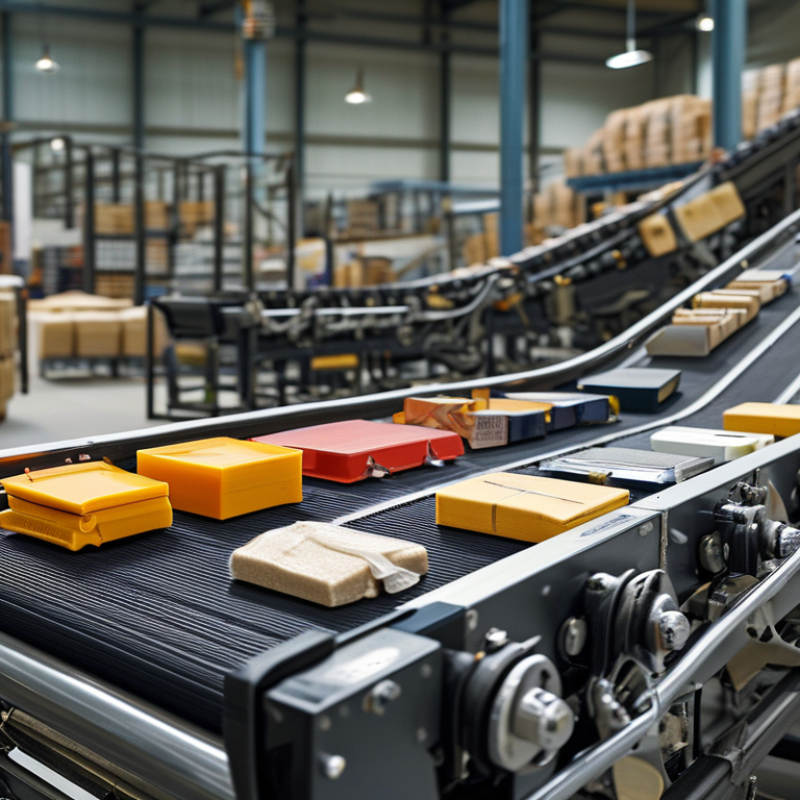
When selecting a conveying device for your business, it's crucial to understand the different types available. Conveyor belts are popular for their versatility. They can move various materials efficiently across different distances. These systems are perfect for assembly lines. But their maintenance can be challenging. Regular inspections are necessary to ensure smooth operations.
Another option is roller conveyors. They allow for easy manual movement of items. This type works well for lighter loads and can be adjusted to different heights. However, they may not be as effective for heavy or bulky items. It's important to weigh the pros and cons based on your specific needs.
Lastly, consider pneumatic conveyors. They transport materials using air pressure. This method is great for bulk items like powders or granules. While they offer a clean solution, setup can be complex. Deciding on the right device may take time and reflection on your business's unique requirements.
Evaluating Your Business Needs and Requirements for Conveying
Choosing the right conveying device hinges on a clear understanding of your business's needs. Start by assessing the materials you move. Are they heavy, bulky, or fragile? The nature of your products will dictate the type of conveying system you require. A thorough evaluation of your workspace layout is also vital. Are the pathways confined? Consider how this will affect the size and type of conveyor.
Next, think about the volume of materials you handle. Do you require a continuous flow or are your operations intermittent? Each scenario demands different types of equipment. It's essential to also factor in the potential for growth. Will your operations expand in the future? Select a device that can accommodate increased capacity.
Lastly, reflect on maintenance and operational challenges. Even the best systems will need upkeep. Consider your team's ability to perform maintenance. If training is required, weigh the costs versus the benefits. Balancing reliability and performance against complexity is crucial. A device that seems perfect on paper may not fit your practical needs.
How to Choose the Right Conveying Device for Your Business?
| Conveying Device Type | Load Capacity (kg) | Speed (m/s) | Main Application | Energy Efficiency Rating |
| Belt Conveyor | 1500 | 1.5 | Mining, Aggregate | A |
| Screw Conveyor | 800 | 1.2 | Food Processing, Plastics | B |
| Bucket Elevator | 1000 | 2.0 | Grain Handling, Warehousing | A+ |
| Pneumatic Conveyor | 600 | 3.0 | Pharmaceuticals, Chemicals | A |
| Chain Conveyor | 2000 | 1.0 | Automotive, Heavy Industry | B+ |
Assessing the Material Characteristics and Compatibility
Choosing the right conveying device hinges significantly on understanding material characteristics. Different materials interact variably with transport mechanisms. For instance, bulk density and particle size can affect flow behavior. According to a report by the International Journal of Material Handling, improper matching can reduce efficiency by up to 30%. This highlights the need for careful assessment.
Compatibility is crucial in ensuring operational efficiency. For example, abrasive materials can wear down equipment faster. On the contrary, fragile materials might require gentle handling to avoid breakage. A study by the Conveyor Equipment Manufacturers Association emphasizes that an ideal device should minimize the risk of damage during transport. Choosing equipment that can handle the specific characteristics of your materials can lead to substantial long-term savings.
Neglecting material compatibility can have severe consequences. It’s easy to overlook details when in a hurry. However, investing time in understanding properties like moisture content or chemical reactivity is essential. These factors can greatly influence the selection process, ensuring that businesses avoid costly mistakes and downtime.
Determining the Operational Efficiency and Cost Considerations
Choosing the right conveying device plays a critical role in operational efficiency. When selecting, consider how smoothly materials will be moved. A mismatch can lead to bottlenecks or slowdowns. Evaluate how often these devices will run. Continuous operations may need more robust systems compared to intermittent uses.
Cost considerations are equally important. Initial purchase costs often overshadow maintenance. A cheaper device might consume more energy or require frequent repairs. It's worth analyzing total costs over time. Sometimes, a higher upfront investment yields lower long-term expenses.
Consider the specific needs of your business carefully. Each industry has unique demands, so one size doesn’t fit all. A conveyor that works well in one sector might not suit another. Engaging with experienced professionals can provide valuable insights. Reflect on past choices as well; sometimes lessons learned are just as crucial as current decisions.
Operational Efficiency vs Cost Considerations of Conveying Devices
Choosing Between Manual and Automated Conveying Systems
When selecting between manual and automated conveying systems, it's crucial to assess your business's needs. Manual systems offer flexibility. Workers can move materials as needed. However, they can lead to fatigue. This may reduce overall efficiency in high-demand situations.
Automated systems require an upfront investment, but they can significantly streamline operations. These systems work tirelessly and can handle heavier loads. This leads to quicker processing times. However, consider the cost of maintenance. A breakdown can cause delays.
**Tips:** Evaluate your workflow. If tasks are repetitive, automation may save money in the long run. For smaller operations, manual systems could be more economical. Always analyze the training required for staff. Proper training minimizes errors and enhances safety, especially with automated systems.