How to Choose the Right Rubber Digger Tracks?
Choosing the right rubber digger tracks affects stability, operator comfort, ground protection, and operating costs. A poor match can create uneven wear, excessive vibration, and avoidable downtime.
David Wilson, an experienced rubber-track service specialist, explains, “The best track is not always the strongest one; it is the one matched to the machine, ground, and workload.” This practical view matters when comparing track size, tread design, rubber compound, and steel-core construction. Start by checking the excavator’s exact model and track measurements. Confirm the width, pitch, link count, and guide configuration. A small measurement error can prevent proper installation.
Think about the worksite, too. Soft landscaping soil may require a wider track with a gentler tread pattern. Demolition sites demand stronger reinforcement and better resistance to sharp debris. Frequent work on concrete can increase wear, especially when the machine turns sharply under heavy loads. That detail is easy to overlook.
Load matters.
Review the excavator’s operating weight, attachment size, and average daily hours. Tracks carrying constant overload may develop cracks around the lugs or inner steel cables. However, selecting the heaviest available option is not automatically wise. It can increase cost, rolling resistance, and fuel use.
Experienced buyers also inspect the undercarriage before ordering rubber digger tracks. Worn sprockets, rollers, or idlers can damage new tracks quickly. This is where the decision becomes less straightforward. Even careful owners may focus too much on price and ignore machine condition. A reliable choice balances fit, site conditions, expected service life, and supplier support.
Match Track Size: Width, Pitch, Link Count, and Machine Weight in kg
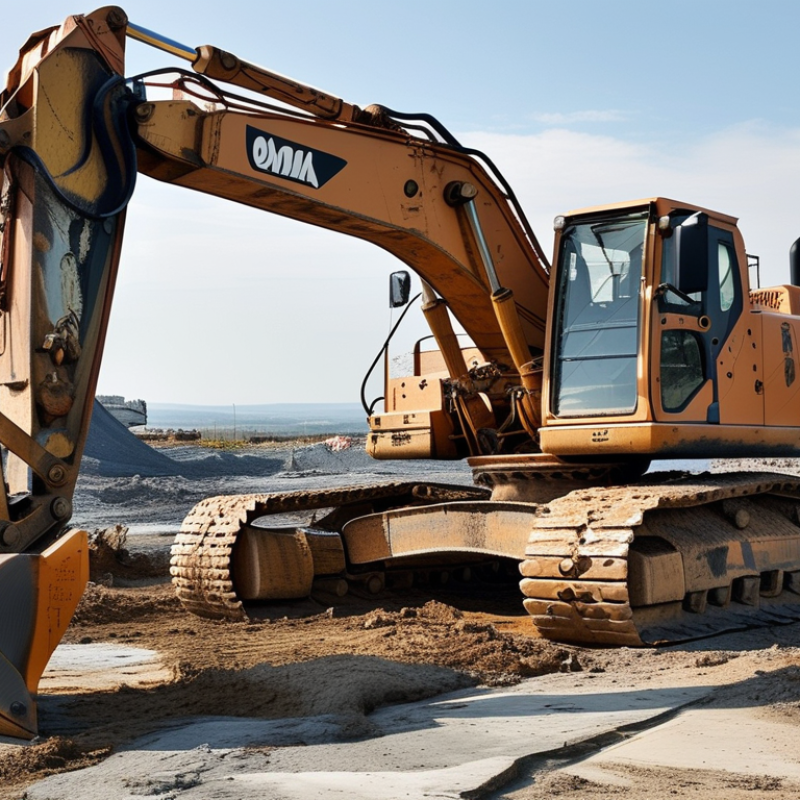
Choosing the right rubber digger tracks starts with accurate measurements, not a marketplace photo. Measure the existing track width in millimetres. Then check the pitch, which is the distance between two adjacent link centres. Count every internal metal link carefully. A common size format is 180 × 72 × 37, meaning width, pitch, and link count.
Machine weight in kilograms also matters. Use the real operating weight, including fluids, attachments, and the operator when applicable. A heavier excavator needs tracks with suitable reinforcement and load capacity. Wider tracks can reduce ground pressure on soft soil. However, they may increase stress on the undercarriage if clearance is limited. Narrow tracks may fit well but sink faster on wet ground.
Inspect the sprocket and idler before ordering. Worn teeth can make a correctly measured track sit poorly. Track tension matters too. Over-tightening creates unnecessary heat and pressure. Under-tightening can cause derailment during turning. I have seen measurements copied from an old invoice, even when the machine had different undercarriage parts. That shortcut is imperfect.
For example, a 3,500 kg excavator might use a size such as 180 × 72 × 37, but this is not universal. Confirm the machine’s technical manual, compare the old track, and verify all four measurements before purchase. Small errors become expensive quickly.
Calculate Ground Pressure: Target 20–40 kPa for Soft-Ground Operation
How to Choose the Right Rubber Digger Tracks?
Ground pressure is a practical starting point for soft-ground operation. Calculate it by dividing machine weight by the total track contact area. Use the same units: kilonewtons and square metres produce kilopascals. A 8,000-kilogram excavator with two tracks, each measuring 2.5 metres by 0.45 metres, creates about 35 kPa. That sits inside the useful 20–40 kPa target range. Lower pressure usually protects wet soil better, but it may reduce stability on slopes. Real ground is rarely uniform.
USDA NRCS Soil Quality Indicators: Soil Compaction links heavy traffic with reduced pore space and slower water infiltration. FAO soil-management guidance also warns that wet soils deform more easily under concentrated loads. These findings support wider, longer tracks when marshy surfaces are expected. However, track width alone can mislead. Uneven wear, packed mud, and incomplete ground contact can raise actual pressure. My own check would include the loaded attachment weight, not only the excavator’s rated operating mass. That detail is often missed.
Tips: Measure both tracks after cleaning them. Check the soil after several passes. If ruts deepen quickly, reduce pass frequency or reconsider the track size. A pressure target helps, but it is not a perfect answer. Verify it on the actual worksite.
How to Choose the Right Rubber Digger Tracks? — Calculate Ground Pressure: Target 20–40 kPa for Soft-Ground Operation
| Excavator Operating Weight |
Recommended Track Width |
Typical Ground-Contact Length
(Per Track) |
Total Ground-Contact Area |
Estimated Ground Pressure |
Soft-Ground Assessment |
Track Selection Guidance |
| 1.5 t |
230 mm |
1.35 m |
0.62 m² |
23.7 kPa |
Within target |
Suitable for lawns, landscaped areas, and moderately soft soil when fitted with correctly tensioned rubber tracks. |
| 3.5 t |
300 mm |
1.80 m |
1.08 m² |
31.8 kPa |
Within target |
A balanced configuration for general excavation, drainage work, and low-impact site access. |
| 5.5 t |
400 mm |
2.40 m |
1.92 m² |
28.1 kPa |
Within target |
A wider track helps distribute load on wet soil while maintaining practical machine stability. |
| 8.0 t |
450 mm |
2.70 m |
2.43 m² |
32.3 kPa |
Within target |
Appropriate for many soft-ground applications; consider wider tracks where rutting or flotation is a concern. |
| 12.0 t |
600 mm |
3.20 m |
3.84 m² |
30.7 kPa |
Within target |
A broad track footprint can improve flotation, but transport width and undercarriage clearance must be checked. |
| 18.0 t |
750 mm |
3.80 m |
5.70 m² |
31.0 kPa |
Within target |
Suitable for larger low-ground-pressure work when the wider track configuration is approved for the excavator. |
| 25.0 t |
900 mm |
4.40 m |
7.92 m² |
31.0 kPa |
Within target |
Use only when the undercarriage, final drives, transport requirements, and manufacturer specifications support this width. |
Calculation basis: Estimated ground pressure = operating weight × 9.81 ÷ total ground-contact area. Total ground-contact area = 2 × track width × ground-contact length. Values assume approximately even load distribution across both tracks and represent static average pressure; actual pressure varies with bucket load, boom position, turning, slope, and soil conditions. The 20–40 kPa range is a practical planning target for many soft-ground operations, not a universal limit.
Compare Tread Patterns and Typical Lug Depths of 20–40 mm by Terrain
Choosing the right rubber digger track starts with the ground beneath the machine. Tread pattern and lug depth control grip, flotation, vibration, and soil disturbance. During field inspections, I check moisture, slope, turning space, and sharp debris. A track that performs well on clay may struggle on wet grass. Small details matter. Mud changes quickly.
For compacted soil, a moderate block pattern with 20–25 mm lugs usually provides predictable steering and lower rolling resistance. Closely spaced bars clean reasonably well, but packed mud can still fill the gaps. On mixed gravel and construction surfaces, 25–30 mm lugs with staggered blocks offer stronger bite. They also spread pressure across uneven stones. A deeper pattern is not automatically stronger. Excessive lug height can flex more, increase vibration, and wear faster during tight turns.
Soft mud, loose sand, and sloped ground often justify 30–40 mm lugs. Wider gaps release soil and help the track paddle forward. However, deep lugs may mark finished lawns and require gentler steering. On rocky ground, inspect lug shoulders daily; cuts often begin beside stone edges. Measure depth at several points, not just the cleanest lug. I have seen operators replace tracks too late because one section looked healthy. Service life also depends on tension, undercarriage alignment, and turning technique. My selection notes are never perfect when weather changes after delivery. Recheck the site before ordering.
How to Choose the Right Rubber Digger Tracks?
Typical rubber-track lug depths range from approximately 20 to 40 mm. Shallower lugs suit paved and compact surfaces, while deeper, more open tread designs provide better traction and self-cleaning performance in mud, loose soil, and rocky ground.
Values show representative lug-depth recommendations in millimetres for compact excavator tracks. Actual selection should also consider machine weight, undercarriage clearance, operating speed, surface damage limits, and the proportion of paved versus off-road work.
Assess Rubber Compounds, Steel Cords, and Rated Operating Hours
How to Choose the Right Rubber Digger Tracks?
Choosing the right rubber digger tracks starts with the rubber compound. The compound must match your working surface, climate, and daily workload. Softer rubber can improve grip on finished surfaces, but sharp stone may cut it quickly. Harder compounds often resist abrasion better, although they may transmit more vibration. Ask for compound hardness, tear resistance, and temperature limits. Do not judge quality by tread depth alone. Field inspections often reveal cracks near the edges before the tread appears worn.
Steel cords carry the track’s tension and support its shape under heavy loads. Check whether the cords are evenly embedded and protected against moisture. Poor alignment can create bulges, uneven wear, or sudden separation. Rated operating hours are useful, but they are not guarantees. A stated rating depends on soil, machine weight, operator habits, track tension, and undercarriage condition. Mud, heat, and frequent turning can reduce service life sharply. Even a small mistake matters.
Tips: Compare test data, not marketing phrases. Inspect the track after every 100 operating hours. Record tread loss, cracks, and tension changes. Ask whether the rated hours assume clean soil and correct maintenance. If your excavator works around demolition debris, choose extra resistance rather than the lowest price. That choice may seem costly. Downtime costs more.
Verify Fit, Tension, Load Capacity, and Manufacturer Warranty Before Purchase
Choosing the right rubber digger tracks starts with fit, not appearance. Measure track width, pitch, link count, and the guide-lug position. Compare these figures with your machine’s manual and existing undercarriage. A track can look correct yet rub against the frame. That mistake becomes expensive quickly.
Tension matters during installation and daily work. Follow the machine’s recommended adjustment range, then check sag on level ground. Tracks that are too tight can damage rollers and increase fuel use. Loose tracks may derail during turning.
Load capacity also deserves careful attention. Consider the excavator’s operating weight, attachments, ground conditions, and hauling frequency. Soft soil and sharp rubble create very different demands. I have seen operators underestimate attachment weight, so this point deserves a second look.
Tips: Ask the supplier for exact compatibility data, not only a model name. Confirm the track’s rated load and intended terrain. Inspect the sprockets, rollers, and idlers before installation. Worn components can shorten a new track’s service life. Read the manufacturer warranty carefully. Check its coverage period, exclusions, installation requirements, and claim evidence. Keep invoices, photographs, and fitting records. Warranty wording is often less generous than expected. A reliable supplier should explain these limits clearly and provide technical support after delivery. Practical verification takes time, but it prevents avoidable downtime.