Why Choosing the Right Track Loader Tracks is Essential for Optimal Performance
In the world of heavy machinery, the significance of selecting the right track loader tracks cannot be overstated. These components are crucial for ensuring optimal performance, stability, and efficiency in various applications, ranging from construction sites to landscaping. According to industry expert John Reynolds, a renowned figure in the field of construction equipment, "The right tracks can make all the difference in performance and longevity of your track loader." This statement underscores the vital role that proper track selection plays in maximizing the functionality of these machines.
Track loader tracks are not merely accessories; they are the lifeblood of the equipment that enables operators to navigate challenging terrains effectively. Choosing the appropriate type can enhance traction, reduce wear and tear, and improve fuel efficiency. As the demands of modern construction evolve, so too does the technology behind track loader tracks, making it essential for operators and companies to stay informed about the latest advancements. Ultimately, investing time and resources into understanding track loader tracks will not only lead to better performance outcomes but also contribute to the overall success of projects.
Understanding Track Loader Tracks and Their Functionality
Track loader tracks are crucial components that directly influence the performance and efficiency of the machine. Understanding the functionality of these tracks begins with recognizing their role in distributing the weight of the loader and providing traction on various terrains. Unlike wheels, tracks allow for better stability and reduced ground pressure, enabling smooth operation on soft or uneven surfaces. This is particularly essential in construction and landscaping projects where maneuverability is key.
When selecting track loader tracks, consider factors such="color: #555;"> material composition and tread design. High-quality tracks typically feature durable materials that withstand harsh conditions, while tread patterns affect grip levels. It is vital to take environmental factors and application specifics into account to ensure optimal performance. For instance, tracks designed for rugged terrains usually have more aggressive treads, enhancing grip and control.
Tips: Regularly inspect your tracks for signs of wear and tear to maintain performance. Ensure that the tracks are properly tensioned, as this can significantly impact the longevity and effectiveness of the loader. Additionally, choosing the right size for your loader is essential; tracks that are too loose or too tight can lead to operational inefficiencies.
The Importance of Material Selection in Track Loader Tracks
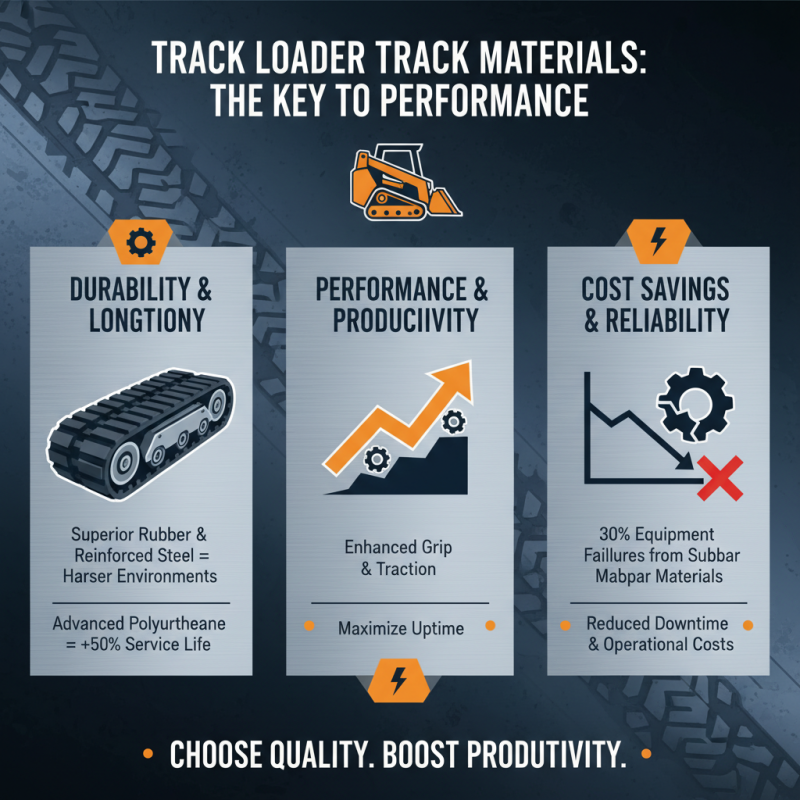
The material selection for track loader tracks is a crucial aspect that directly influences the machine's performance and longevity. High-quality materials not only enhance durability but also improve grip and traction, which are essential for maximizing productivity. According to recent studies, approximately 30% of equipment failures can be attributed to subpar track materials. Tracks made from superior rubber compounds or reinforced steel have been shown to withstand harsher environments, leading to less downtime and reducing operational costs. For instance, using a track made with advanced polyurethane can increase service life by up to 50% compared to standard rubber alternatives.
Moreover, the choice of material impacts the overall weight and flexibility of the tracks, which in turn affects the machine's fuel efficiency and maneuverability. A report from the National Association of Manufacturers indicates that optimizing material composition can lead to a reduction in energy consumption by as much as 20%. This not only helps in lowering operating expenses but also contributes to a more sustainable operation by minimizing the carbon footprint. Thus, investing in quality materials for track loader tracks is not just about immediate performance; it is a strategic decision that can yield significant long-term benefits.
Factors Influencing Track Loader Track Performance
Choosing the right track loader tracks is crucial for achieving optimal performance in any construction or agricultural project. Several factors influence track loader track performance, and understanding these can lead to enhanced productivity and reduced operational costs. One primary factor is the material composition of the tracks; different materials offer varying levels of durability and traction. For instance, tracks made from high-quality rubber typically provide better grip on uneven surfaces, while steel tracks excel in tough terrain.
Another important consideration is the size and design of the tracks. The width and length of the tracks can significantly impact the machine's stability and weight distribution. Wider tracks tend to spread the weight of the loader over a larger area, reducing ground pressure and minimizing the risk of damage to soft surfaces. Additionally, the tread pattern plays a vital role in performance, as specific designs may improve traction and reduce slippage depending on the working environment.
**Tips:** Regularly inspect track condition and wear to catch any issues early. Proper maintenance, including cleaning and lubrication, can prolong the lifespan of your tracks. Also, consider your operational environment—selecting the appropriate track type for specific conditions can hugely enhance overall efficiency.
Why Choosing the Right Track Loader Tracks is Essential for Optimal Performance
| Factor |
Description |
Impact on Performance |
Recommended Track Type |
| Track Material |
Durability and resistance to wear |
High durability improves longevity and performance |
Rubber or Steel |
| Track Width |
Influences ground pressure and stability |
Wider tracks offer better weight distribution and traction |
Wide Tracks |
| Tread Design |
Affects traction and maneuverability |
Aggressive treads improve traction on uneven surfaces |
Aggressive Tread Patterns |
| Track Length |
Affects turning radius and ground contact |
Longer tracks provide smoother operation over obstacles |
Long Tracks |
| Load Capacity |
Determines how much weight can be safely carried |
Tracks rated for higher loads enhance operational efficiency |
Heavy-Duty Tracks |
Maintenance Tips for Extending Track Loader Track Lifespan
Choosing the right track loader tracks is crucial not only for enhancing performance but also for ensuring the longevity of your equipment. To maximize the lifespan of track loader tracks, regular maintenance is imperative. According to a report by the Construction Equipment Research Council, properly maintained tracks can last up to 50% longer than those that are neglected. This statistic emphasizes the importance of routine inspections and timely servicing, which can prevent costly downtime and extend the life of your investment.
One effective maintenance tip is to frequently clean the tracks to remove debris and mud that can contribute to wear and tear.
Accumulated dirt can lead to misalignment and increased friction, significantly reducing track durability. Additionally, regularly checking the tension of your tracks is essential. Too loose or too tight tracks can accelerate damage; for optimal performance, maintain the tension within the manufacturer’s specified range.
Another critical aspect of maintenance involves monitoring the condition of the undercarriage. The undercarriage is a vital component that directly affects traction and stability. Regular greasing and inspection can help identify potential issues before they escalate, ensuring your track loader operates smoothly and efficiently. Investing time in these maintenance practices not only fosters better performance but also contributes to a more sustainable operational strategy.
Choosing the Right Track Loader Tracks for Specific Applications
Choosing the right track loader tracks for specific applications is crucial for maximizing efficiency and productivity. Different environments and tasks require different types of tracks to ensure optimal performance. For instance, if you're operating in a muddy or soft terrain, wider tracks with a larger footprint can help distribute the weight of the loader more evenly, reducing ground pressure and preventing the machine from sinking. Conversely, for hard surfaces like asphalt or concrete, narrower tracks may provide better maneuverability and speed.
In addition to terrain considerations, the type of work being performed plays a significant role in track selection. For applications involving heavy lifting or moving large materials, reinforced tracks designed for durability and strength are essential. These tracks can withstand the stresses of rigorous operation without compromising performance. On the other hand, if the primary task involves fine grading or landscaping, tracks designed for smoother operation and improved traction without excessive ground disturbance will be more suitable. Understanding the specific demands of your application ensures that the track loader is equipped to handle the job effectively, ultimately enhancing overall productivity.