Why Are Digger Tracks Essential for Heavy Machinery Performance?
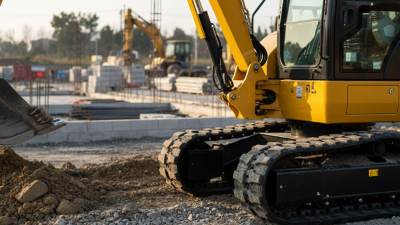
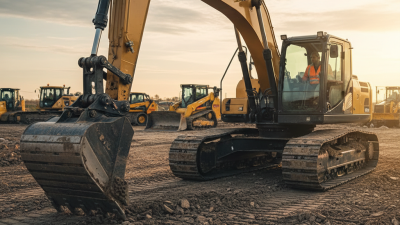
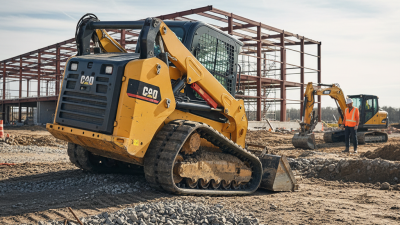
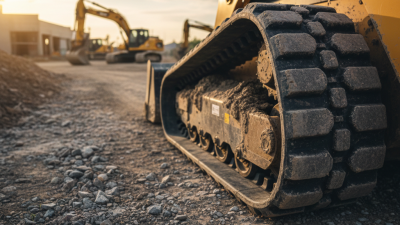
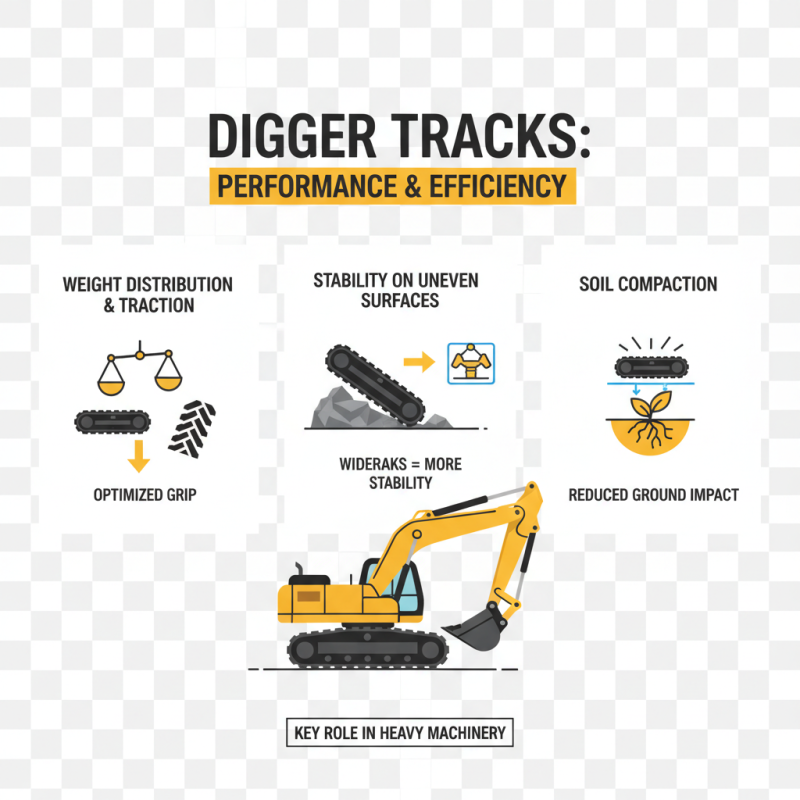
Digger tracks play a pivotal role in the performance of heavy machinery. These tracks, often made from durable rubber or steel, significantly enhance stability and traction. According to a recent industry report, machinery equipped with high-quality digger tracks can improve operational efficiency by up to 30%. This increase stems from better weight distribution, allowing machines to handle loads effectively on varied terrains.
Furthermore, digger tracks are vital for reducing ground pressure. A 2022 study highlighted that machines with wider tracks exert 50% less pressure on the ground. This feature minimizes soil compaction, which is crucial for construction and agricultural tasks. Companies often overlook the importance of selecting appropriate digger tracks, leading to costly maintenance issues and potential machinery failures.
Inconsistent quality among manufacturers adds another layer of complexity. Some tracks wear out quickly, reducing machinery lifespan. Operators sometimes prioritize cost over quality, resulting in frequent replacements and downtime. Investing in the right digger tracks is essential for maintaining productivity and success in heavy machinery performance.
Understanding the Role of Digger Tracks in Heavy Machinery
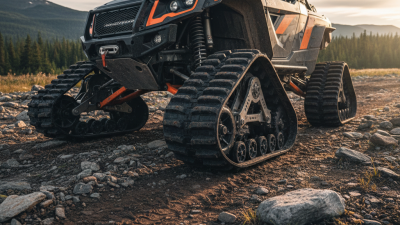
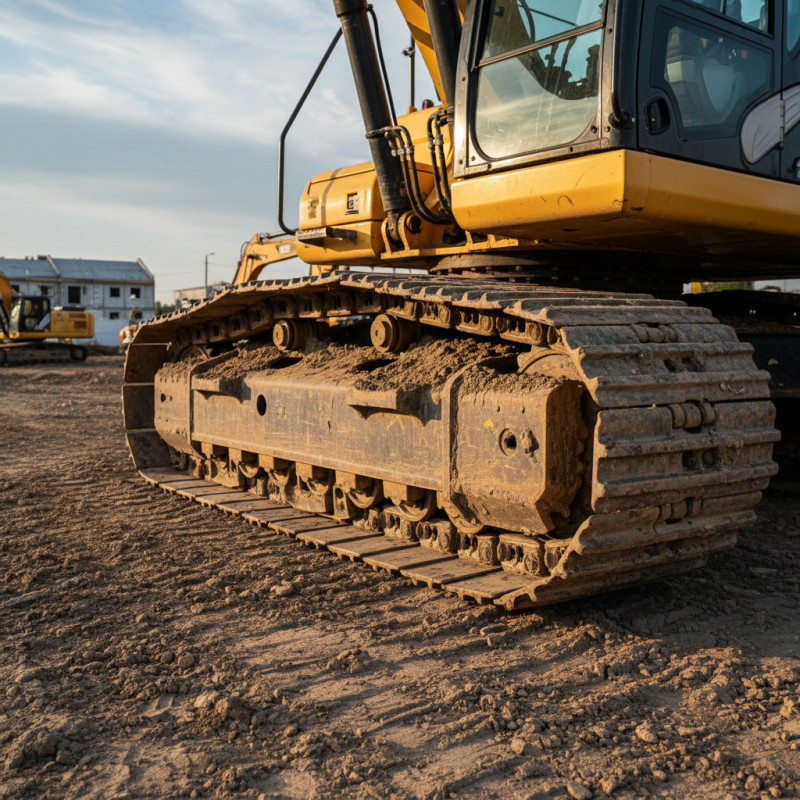
Digger tracks play a crucial role in the performance of heavy machinery. Their design impacts traction, stability, and maneuverability. A recent industry report states that tracks increase the machine's surface area, allowing for better weight distribution. This distribution reduces ground pressure, which is especially important when working on soft or uneven terrain. For example, machines equipped with tracks can operate in mud or sand without sinking.
The efficiency of digger tracks is also linked to productivity. According to research, machines with well-maintained tracks can enhance operation speed by up to 25%. This improvement often translates to cost savings on projects. Regular maintenance can address wear and tear, as damaged tracks lead to decreased performance. Inadequate attention to maintenance can hinder the overall efficacy of machinery.
Track choice impacts not just performance but also wear rates. Rubber tracks may wear faster on rugged terrains compared to steel ones. However, steel tracks can be less forgiving on softer ground. Finding the right balance is essential. Both choices have strengths and weaknesses. Decision-makers must weigh their options carefully. Lack of consideration can lead to suboptimal machine use and increased operational costs.
Types of Digger Tracks and Their Specific Functions
Digger tracks play a crucial role in heavy machinery performance. There are different types of tracks, each designed for specific functions. Rubber tracks offer excellent traction and are suitable for soft ground. They protect the surface beneath the machine and reduce noise levels. Metal tracks, on the other hand, excel in rough terrains. They provide more durability but can damage paved surfaces.
When choosing tracks, consider the working environment. Wet or muddy areas may require rubber tracks. They handle wet conditions better, providing stability. In contrast, if you're working in rocky terrains, metal tracks give more grip. However, they may cause wear on softer surfaces.
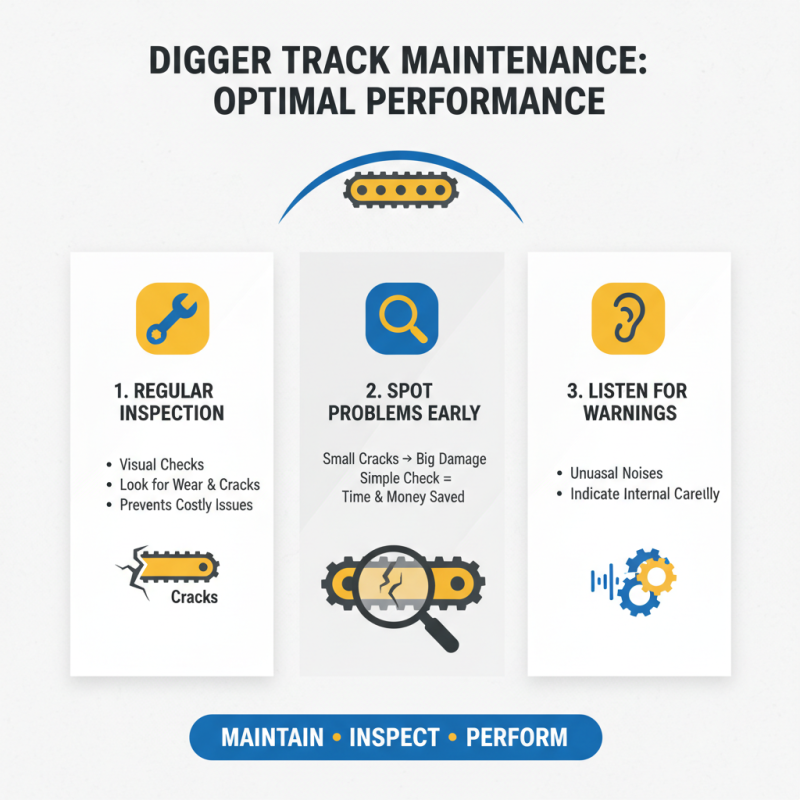
Tip: Regularly inspect your tracks for wear and tear. Look for cracks or missing links. Proper maintenance extends their lifespan. Don’t forget to adjust track tension. Too loose can lead to slippage, while too tight can cause damage. Small changes can make a significant impact on performance.
Why Are Digger Tracks Essential for Heavy Machinery Performance? - Types of Digger Tracks and Their Specific Functions
| Track Type |
Material |
Functionality |
Ideal Use |
| Rubber Tracks |
Rubber Composite |
Enhanced traction and reduced ground damage |
Urban areas, soft ground |
| Steel Tracks |
Steel |
Durable for heavy loads and rough terrains |
Construction sites, mining |
| Double Rubber Tracks |
Rubber Composite |
Increased stability and weight distribution |
Landscaping, forestry |
| Hybrid Tracks |
Rubber and Steel |
Combination of traction and durability |
Versatile applications, including difficult terrains |
Safety Considerations Related to Digger Tracks in Operations
Digger tracks play a vital role in ensuring safety during heavy machinery operations. These tracks provide stability and traction, crucial for preventing accidents. A digger can easily tip over if the ground is uneven. The right tracks can help distribute the machine's weight, reducing this risk.
Regular maintenance of digger tracks is often overlooked. Dirt and debris can accumulate, affecting performance. Worn-out tracks may not grip surfaces well. This can lead to slips and falls, endangering operators and nearby workers. Operators must check tracks daily, especially before starting a job. They should be vigilant for visible damage.
In some cases, operators might ignore warning signs. They might feel rushed to complete tasks, leading to unsafe conditions. Monitoring track conditions can be a tedious process. However, neglecting this can result in serious injuries. The importance of diligence cannot be overstated. Simple checks can save lives and prevent costly accidents.
Performance Metrics of Digger Tracks in Heavy Machinery Operations