Why Equipment Tracks are Essential for Your Heavy Machinery Performance
In the world of heavy machinery, the performance and efficiency of equipment heavily rely on the underlying components that facilitate movement and stability. Among these components, equipment tracks play a crucial role in ensuring that machines operate at their optimal level. Traditionally used for applications ranging from construction to agriculture, equipment tracks provide a unique advantage compared to traditional wheeled systems. Their design allows for better weight distribution, increased traction, and enhanced maneuverability on uneven terrains, thereby contributing significantly to productivity.
As machinery continues to evolve and take on more demanding tasks, understanding the importance of equipment tracks is essential for operators and owners alike. High-quality tracks can minimize wear and tear, reduce maintenance costs, and improve overall machine lifespan. Furthermore, they provide resilience against harsh conditions, ensuring that heavy equipment can perform reliably, no matter the environment. Without the right equipment tracks, even the most advanced machinery may find itself struggling to meet the needs of various projects. Thus, investing in suitable tracks is not merely a choice; it is a necessity for maximizing the performance and longevity of valuable heavy machinery.
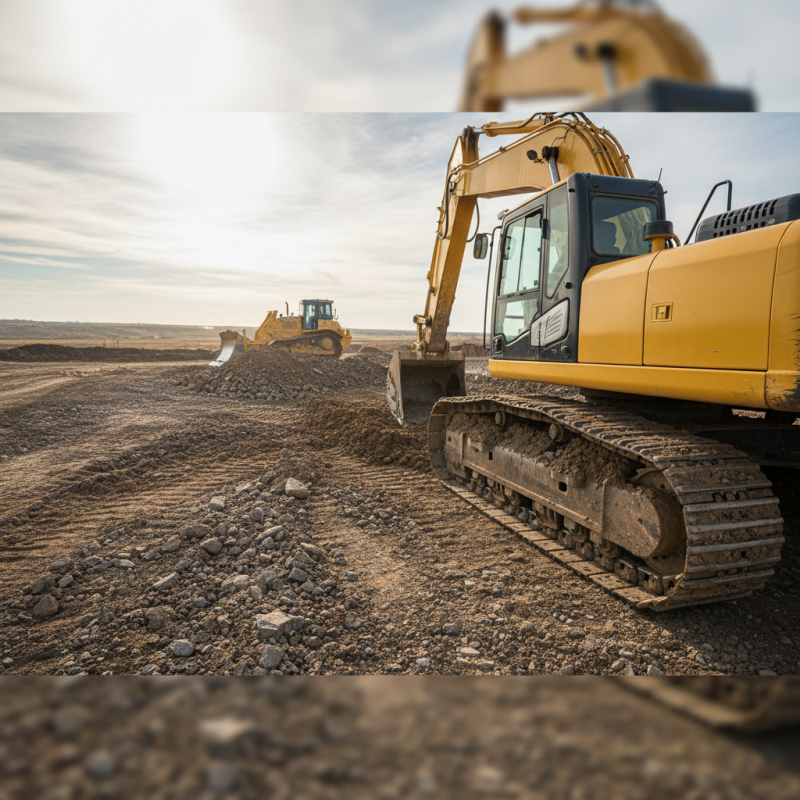
Importance of Equipment Tracks in Heavy Machinery Operations
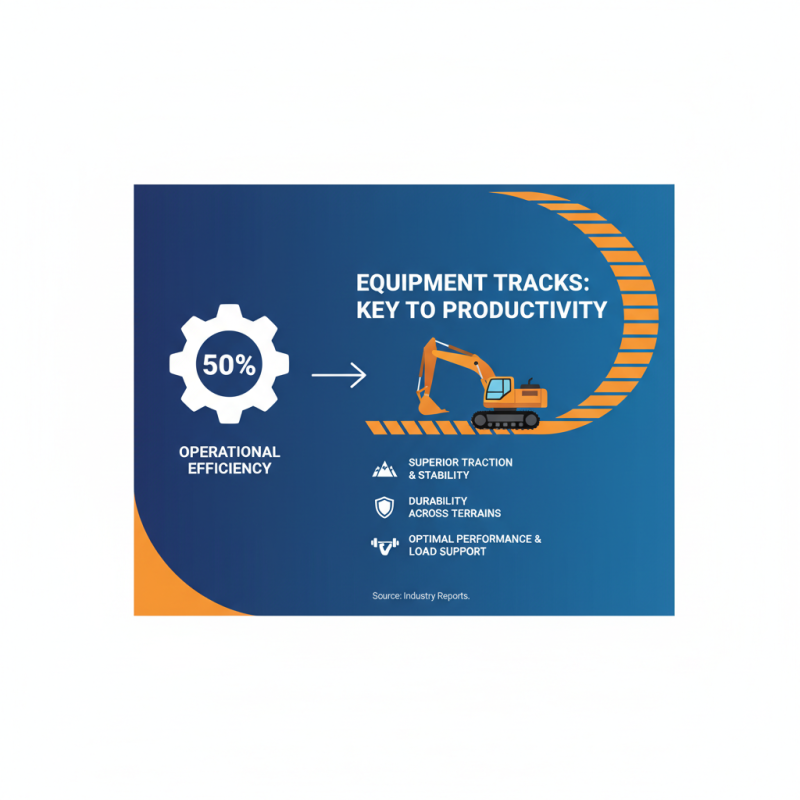
Equipment tracks play a crucial role in heavy machinery operations, significantly impacting performance and efficiency. According to industry reports, approximately 50% of a machine's operational efficiency can be attributed to the type and condition of its tracks. High-quality tracks are designed to provide superior traction, stability, and durability, allowing heavy machinery to perform optimally across various terrains, whether on construction sites, agricultural fields, or mining operations. These tracks minimize the risk of slippage and provide excellent support for heavy loads, significantly enhancing productivity.
Furthermore, the maintenance of equipment tracks is essential for extending the lifespan of heavy machinery. Data from equipment maintenance studies reveal that well-maintained tracks can lead to a 20% reduction in overall repair costs and increase the lifespan of machinery by 30%. Regular inspection and timely replacement of tracks prevent breakdowns and unforeseen downtime, which can result in costly delays and inefficient project completion. As the construction and industrial sectors continue to face increasing demands, investing in high-quality equipment tracks becomes imperative to ensure not only the performance but also the reliability of heavy machinery operations.
Types of Equipment Tracks and Their Applications in Various Industries
Equipment tracks play a vital role in enhancing the performance of heavy machinery across a variety of industries. In construction, rubber tracks are commonly used for mini excavators, compact loaders, and skid steers. These tracks provide superior traction on uneven surfaces while minimizing ground disturbance, making them ideal for urban environments and sensitive sites. Additionally, steel tracks are often preferred for larger equipment in mining and forestry, where durability and resistance to wear are crucial under harsh conditions.
In agriculture, equipment tracks have revolutionized farming practices. Tracked tractors and harvesters reduce soil compaction and improve mobility across wet or muddy fields. This not only enhances the efficiency of agricultural operations but also helps in conserving soil health by promoting better water infiltration. Furthermore, the adaptability of tracks in various terrains makes them suitable for industries such as landscaping, where operators can navigate through challenging environments with ease.
Overall, the diversity of equipment tracks tailored for specific applications significantly boosts productivity and performance across multiple sectors.
Performance Metrics: How Tracks Enhance Efficiency and Productivity
The efficiency and productivity of heavy machinery are significantly influenced by the type and condition of the equipment tracks utilized. According to a report by the Construction Equipment Manufacturers Association, machinery fitted with high-quality tracks can improve fuel efficiency by 20% compared to those using inferior alternatives. This direct correlation between track quality and fuel consumption demonstrates how essential tracks are in optimizing operational costs and enhancing overall performance metrics.
Moreover, tracks designed for specific terrains contribute to improved traction and stability, which enhances productivity during operations. A study conducted by the Heavy Equipment Research Institute established that machines equipped with well-maintained tracks completed tasks 15% faster in variable terrain compared to those with standard wheels. This time-saving not only maximizes machine uptime but also minimizes wear and tear, extending the service life of the equipment. As heavy machinery continuously adapts to the demands of different work environments, the significance of specialized tracks cannot be overstated; they are pivotal in achieving superior performance outcomes and ensuring that operations run smoothly and efficiently.
Maintenance Best Practices for Prolonging Track Life and Performance
Proper maintenance of equipment tracks is critical to extending their lifespan and ensuring optimal performance for heavy machinery. Regular inspections should be conducted to identify any signs of wear, damage, or misalignment. Promptly addressing these issues can prevent further deterioration and costly repairs down the line. Keeping the tracks clean from debris and contaminants is also vital, as dirt and mud accumulation can lead to premature wear and reduced traction, affecting the overall efficiency of the equipment.
Lubrication plays a key role in the maintenance of tracks, as it reduces friction between moving parts and minimizes wear. Operators should follow recommended practices for applying lubrication and ensure that they are using the appropriate type for their specific machine. Additionally, it is essential to monitor the tension of the tracks regularly. Proper tension enhances performance and helps maintain a balanced distribution of weight, reducing the chance of failure. By adhering to these best practices, operators can significantly enhance the durability and reliability of their equipment tracks, ultimately improving heavy machinery performance.
Performance Comparison of Heavy Machinery with and without Equipment Tracks
This chart illustrates the significant difference in performance efficiency of heavy machinery when equipped with tracks compared to when it is not. Proper equipment tracks contribute to improved stability, traction, and overall performance.
Cost-Benefit Analysis of Investing in Quality Equipment Tracks for Machinery
Investing in quality equipment tracks for heavy machinery is often seen as a significant upfront cost, but a comprehensive cost-benefit analysis reveals substantial long-term advantages. According to a report from the Equipment Manufacturers Association, using high-quality tracks can enhance machinery performance by up to 30%. This improvement is largely attributed to better traction and reduced slippage, which lead to increased productivity on job sites. As productivity rises, the overall operational costs decrease, resulting in a more favorable return on investment over time.
Furthermore, the durability of quality equipment tracks plays a crucial role in minimizing maintenance and replacement costs. A study by the Machinery and Equipment Association indicated that machines equipped with premium tracks experience up to 40% fewer breakdowns compared to those using standard options. This not only reduces unexpected downtime but also mitigates repair costs and extends the overall lifespan of the machinery. Investing in superior tracks can result in significant savings, as the long-term efficiencies often outweigh the initial expenditures, making it a strategic decision for companies focused on optimizing their operational efficiency.