10 Essential Tips for Maintaining Your Excavator Tracks for Longevity
Maintaining excavator tracks is crucial for enhancing machinery longevity. According to a recent industry report, improper maintenance can lead to a 30% decrease in track lifespan. Mark Anderson, an excavator maintenance expert, states, "Regular care and attention to tracks significantly reduce costly downtime."
Excavator tracks bear heavy loads and endure harsh conditions. Neglecting their upkeep can result in costly repairs and safety risks. Each component plays a vital role in the overall performance. For instance, tracking tension and alignment must be checked regularly. This can uncover potential issues early.
In the competitive construction landscape, efficiency is paramount. Delays due to equipment failure can hinder project timelines. Tracking maintenance is often overlooked. However, it requires consistent effort. Small, regular checks can yield big benefits. Ignoring these details can lead to serious problems. In the end, the health of your excavator tracks affects your entire operation.

Understanding the Importance of Excavator Track Maintenance
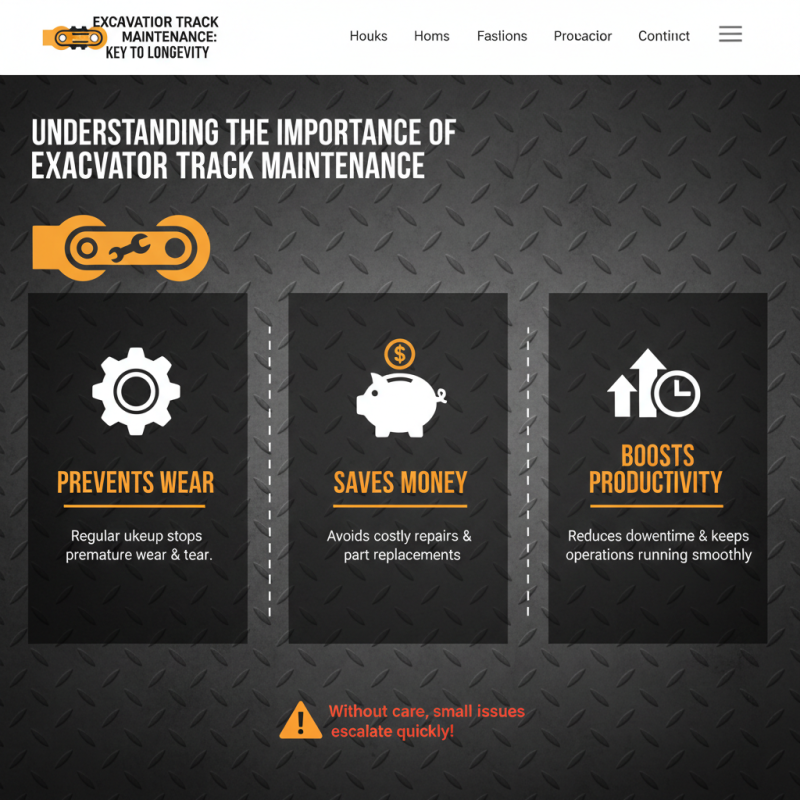
Excavator track maintenance is crucial for longevity. These tracks bear the weight of heavy machinery and endure harsh terrains. Regular upkeep prevents premature wear and costly repairs. Without proper care, small issues can quickly escalate. This may lead to excessive downtime, affecting productivity.
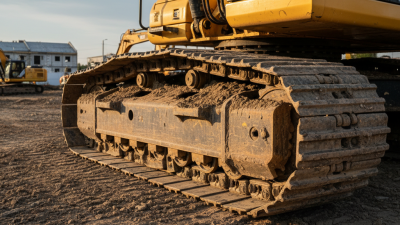
Inspecting tracks for wear is vital. Look for cracks, stretching, or uneven surfaces. These signs indicate potential problems. Cleaning the tracks frequently also helps. Removing debris prevents buildup that can damage critical components. Yet, many operators underestimate this simple task. They overlook minor issues, thinking they are insignificant.
Proper lubrication is essential too. It keeps the internal parts functioning smoothly. Operators may forget to check lubrication levels regularly. This could lead to unnecessary friction and wear. Setting a maintenance schedule can mitigate such risks. Regular checks, timely adjustments, and awareness of operational conditions are key to longevity.
Common Causes of Excavator Track Wear and Tear
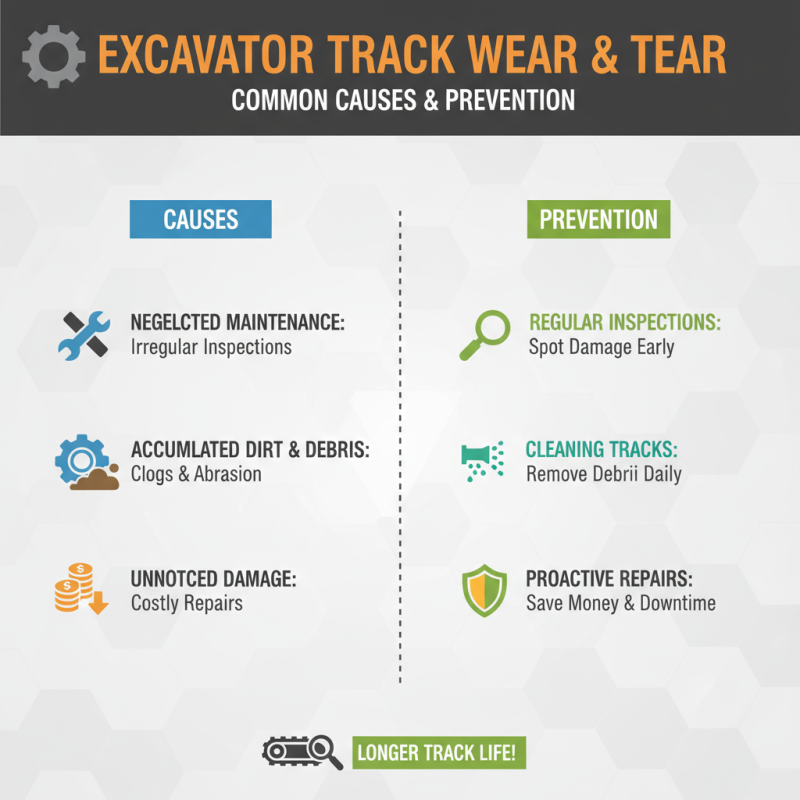
Excavator tracks can wear out quickly due to various factors. One major cause is improper maintenance. Neglecting regular inspections leads to unnoticed damage. When dirt and debris accumulate, they can cause serious track issues. Over time, this can result in costly repairs that could have been avoided.
Another significant factor is uneven ground. When excavators operate on rough terrain, it puts extra strain on the tracks. This uneven surface causes accelerated wear and tear. Operators should always be cautious of the environment they’re working in. Small choices can lead to significant consequences.
Moreover, driving habits can impact track longevity. Fast turns and abrupt movements can stress the tracks and associated components. Operators often overlook this aspect, thinking it won't matter. In reality, these practices lead to premature wear. Reflection on these details can help prevent future issues, ensuring better performance and track life.
Regular Inspection Practices for Excavator Tracks
Regular inspection practices for excavator tracks are crucial for their longevity. Inspect the tracks daily before use. Look for any visible signs of wear or damage. Pay close attention to the track tension. If the tension is too loose, it can lead to derailment. If it’s too tight, it may cause undue strain on components.
During inspections, check for debris lodged in the tracks. Small rocks or dirt can cause serious damage over time. Clean the tracks thoroughly. Use a high-pressure washer if necessary. It's also wise to examine the idlers, sprockets, and rollers. These parts work closely with the tracks and can wear out quickly.
When you notice wear, take action. Waiting too long can lead to more expensive repairs. Keep a log of inspections. This helps track patterns and anticipate issues. Remember, a minimal focus now can save considerable costs later. Reflect on whether you're doing enough during inspections. Don't overlook any detail; even small aspects matter. Regular maintenance is not just good practice; it's essential for operational efficiency.
10 Essential Tips for Maintaining Your Excavator Tracks for Longevity
| Tip No. |
Maintenance Tip |
Frequency |
Additional Notes |
| 1 |
Regular Visual Inspections |
Daily |
Check for signs of wear and damage. |
| 2 |
Check Track Tension |
Weekly |
Ensure proper tension to prevent slippage. |
| 3 |
Clean Tracks Regularly |
Bi-weekly |
Remove mud and debris to prevent rust. |
| 4 |
Lubricate Moving Parts |
Monthly |
Use manufacturer-recommended lubricants. |
| 5 |
Inspect Sprockets |
Monthly |
Look for wear and replace if necessary. |
| 6 |
Monitor Operating Conditions |
Ongoing |
Be mindful of terrain and load conditions. |
| 7 |
Adjust Idle Times |
Daily |
Minimize idle times to reduce wear on tracks. |
| 8 |
Track Alignment Checks |
Every 250 hours |
Misalignment can lead to uneven wear. |
| 9 |
Monitor for Vibration Issues |
Ongoing |
Vibrations can indicate mechanical issues. |
| 10 |
Schedule Professional Inspections |
Annually |
Have a certified technician inspect the tracks. |
Best Practices for Cleaning and Lubricating Tracks
Proper cleaning and lubrication of your excavator tracks are vital for their longevity. Regular attention can save you costly repairs. Begin by inspecting the tracks for debris. Rocks, mud, and dirt can cause severe wear. A simple brush or air compressor can make a difference.
Cleaning should happen after every job. Pay special attention to places where dirt accumulates. A pressure washer is a good option, but be cautious with the pressure levels. Too high might damage seals or bearings. Perform a visual check for any signs of damage. Each inspection teaches us about the track's condition.
Lubrication is equally crucial. Use the correct grease type recommended for your equipment. Regularly apply grease to the rollers and joints. This process keeps everything moving smoothly. A consistent routine helps prevent rust and corrosion. Don't rush. Take time to ensure every part is adequately lubricated. Small oversights now can lead to larger issues later. Think about where you might improve your methods. Stay proactive to maintain those tracks effectively.
10 Essential Tips for Maintaining Your Excavator Tracks for Longevity
Signs of Damage and When to Replace Excavator Tracks
When monitoring your excavator tracks, certain signs of damage are critical. Look for cracks or deep grooves in the rubber or metal components. These imperfections can lead to more significant problems over time. If you notice any debris stuck in the track, remove it to prevent additional wear.
Misalignment is another red flag. If the tracks don't sit evenly, they may rub against other parts. This friction can cause quicker deterioration. Additionally, listen for unusual noises while operating the machine. Clunking sounds could indicate internal issues that may need immediate attention.
Regular inspections are vital for longevity. Schedule check-ups often. A small crack today can turn into a costly replacement tomorrow. Keep detailed records of any wear and tear, so you spot trends. Investing time in maintenance might seem tedious, but it pays off. When in doubt, consult with a professional to evaluate any suspicious signs.