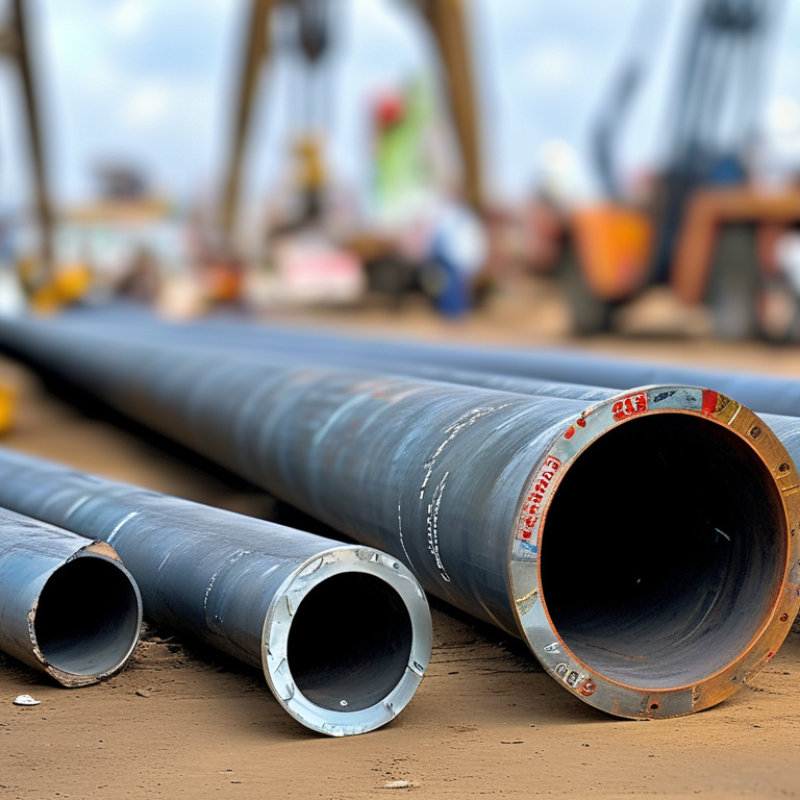
2026 How to Choose the Best Carbon Steel Pipe for Your Needs?
Choosing the right Carbon Steel Pipe can be a daunting task. With various options available, understanding your specific needs is crucial. Carbon Steel Pipes are valued for their strength and durability, making them a popular choice in many industries.
When evaluating Carbon Steel Pipe options, consider factors such as material grade and pipe specifications. Each grade offers unique properties. For example, some grades provide better corrosion resistance than others. Knowing these details can prevent costly mistakes.
It's essential to reflect on your project requirements. Poor selection can lead to failures down the line. Consulting with experts in the field can offer valuable insights. A well-informed decision will ensure longevity and performance in your applications involving Carbon Steel Pipes.
Understanding the Properties of Carbon Steel Pipes
When choosing carbon steel pipes, understanding their properties is crucial. Carbon steel has a defined composition, primarily consisting of iron and carbon. This basic structure gives it strength and durability, making it ideal for various applications. The amount of carbon affects its hardness and flexibility. For instance, higher carbon content often results in increased strength but decreased ductility.
The environment where the pipes will be used is also pivotal. Carbon steel is susceptible to corrosion, especially in moist conditions. Protective coatings can help, but they may not always be effective. It's essential to consider maintenance needs based on your specific environment.
Another aspect to ponder is the pressure rating of the pipes. High-pressure applications require pipes that can handle stress without failing.
However, not all manufacturers produce pipes to the same standards. Discrepancies exist in quality and performance. Researching suppliers and comparing specifications can mitigate risks. Pay attention to certifications and testing results. They can indicate reliability. Balancing these factors with your project requirements can lead to an informed decision.
Identifying Your Specific Needs and Applications
Choosing the right carbon steel pipe requires a clear understanding of your needs. Consider your specific applications first. Will you be using it for high-pressure systems or structural supports? Identifying the conditions it will face is crucial.
Think about the environment too. Will it be exposed to moisture, extreme heat, or chemicals? Each factor influences the type of carbon steel you require. It's important to assess the pipe's chemical composition and resistance. The wrong choice can lead to failures and costly repairs.
Don't overlook the importance of consulting professionals. Their expertise can guide you in selecting the right grade and specifications. Ask questions and seek out resources. Remember, every application is unique, and your needs may evolve. Reflecting on past usage can help refine your decision-making process. A thoughtful approach ensures reliability and performance in your projects.
Carbon Steel Pipe Selection Criteria
Comparing Different Types of Carbon Steel Pipes
When selecting carbon steel pipes, it's crucial to understand the different types available. Carbon steel pipes vary by grade and composition, impacting their durability and specific uses. For instance, seamless pipes, made without a weld, are often stronger and more reliable for high-pressure applications. On the other hand, welded pipes are more cost-effective and suitable for lower pressure needs.
Tips: Consider the environment where the pipes will be used. High humidity or corrosive substances may require additional coatings or treatments. It's also important to weigh the pipe's wall thickness and diameter against pressure requirements to ensure optimal performance.
Another vital factor is the intended application. Some types are better for transportation, while others excel in structural support. Researching standards such as ASTM or ASME can provide guidance. Always refer to relevant specifications when determining the right pipe type. Making informed choices can avoid costly mistakes in your projects.
Evaluating Pipe Dimensions and Specifications
Selecting the right carbon steel pipe requires careful evaluation of dimensions and specifications. The outer diameter, wall thickness, and length significantly affect performance in various applications. According to a report by the American Society for Testing and Materials (ASTM), a pipe's wall thickness plays a crucial role in pressure resistance. For instance, thinner walls may suffice for low-pressure systems, but high-pressure applications often necessitate thicker walls.
The schedule of the pipe, which determines the pipe's diameter and wall thickness ratio, is equally important. For example, Schedule 40 pipes are commonly used in residential plumbing. In contrast, Schedule 80 pipes find applications in industrial settings due to their enhanced strength. However, choosing a higher schedule does not always guarantee better performance. Over-specifying pipe dimensions can lead to increased costs and reduced flexibility in installation.
Another critical aspect is the pipe's yield strength, which measures its ability to withstand stress. Industry standards suggest that a yield strength of 36,000 psi is typical for carbon steel pipes. Yet, in some cases, pipes with varying yield strengths are required based on the unique needs of the project. Therefore, assessing the specific requirements of your application is vital. This analysis may prevent costly mistakes and ensure optimal performance under varying operational conditions.
Considering Cost, Durability, and Maintenance Factors
When selecting the best carbon steel pipe, evaluating cost, durability, and maintenance aspects is crucial. According to industry reports, carbon steel pipes can vary significantly in price. Typical costs range from $0.75 to $1.50 per foot, depending on factors like thickness and diameter. It's essential to balance budget concerns with quality and long-term savings.
Durability is a key feature of carbon steel pipes. These pipes generally offer high strength, allowing them to withstand high pressure and temperature conditions. However, they are susceptible to corrosion without proper coating or maintenance. Studies show that unprotected carbon steel can corrode at rates of up to 1.5 mm per year in certain environments. Regular inspections and protective treatments can mitigate this issue, but they require commitment and resources.
Maintenance is another critical factor. Carbon steel pipes require regular checks to ensure they remain in good condition. Neglecting maintenance can lead to leaks or failures, resulting in costly repairs or replacements. Industry guidelines suggest inspecting carbon steel pipes at least once a year to catch issues early. Balancing the need for maintenance with the initial cost can be challenging, making careful consideration essential when choosing the right pipe for your needs.