2026 How to Choose the Best Gypsum Board for Your Projects?
Choosing the right Gypsum Board can be a daunting task. With so many options available, it’s essential to understand what works best for your specific project. Gypsum board is versatile, but not all boards are created equal. Factors such as moisture resistance, fire rating, and thickness can dramatically affect your final result.
When selecting gypsum board, consider the application. For wet areas, moisture-resistant boards are crucial. In spaces requiring fire protection, look for boards with higher fire ratings. Thickness also matters; a thicker board can provide better sound insulation and durability. Each project has unique needs, and the wrong choice can lead to issues down the line.
Reflecting on experiences, many have faced challenges with gypsum board selection. Missteps can lead to additional costs and lost time. Being informed can bridge the gap between average results and exceptional outcomes. Understanding your options empowers you to make confident, effective choices.
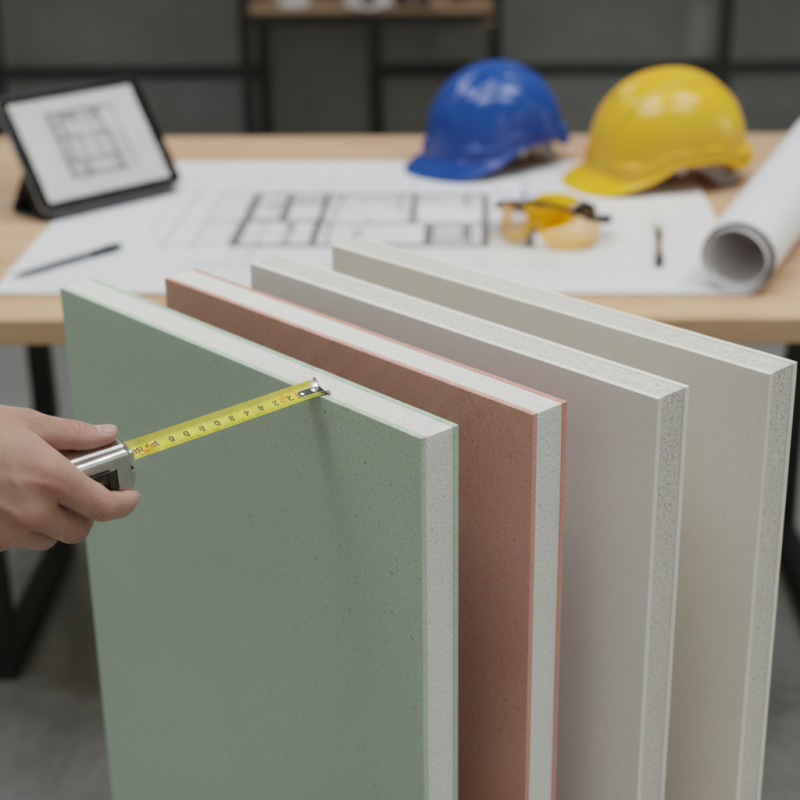
Understanding Gypsum Board Types and Their Applications
When selecting gypsum board for projects, understanding the various types is crucial. There are different options, each suited for specific applications. Regular gypsum board is versatile for walls and ceilings. It works well in dry environments but may not hold up to moisture.
Moisture-resistant gypsum board is ideal for areas like bathrooms and kitchens. It has additives that enhance durability against dampness. Fire-resistant options are also available. These are designed for areas where fire safety is a concern. They slow down the spread of flames.
Choosing the right type demands careful thought. Assess the project's requirements, from moisture levels to fire safety. Using the wrong type can lead to costly repairs. It’s easy to overlook these details when planning. Each space has unique challenges that gypsum board can address effectively.
2026 How to Choose the Best Gypsum Board for Your Projects? - Understanding Gypsum Board Types and Their Applications
| Type of Gypsum Board | Key Features | Common Applications | Fire Resistance Rating |
| Standard Gypsum Board | General-purpose, easy to cut and install | Interior walls and ceilings | Class A |
| Moisture-resistant Gypsum Board | Resistant to mold and moisture | Bathrooms, kitchens, and laundry rooms | Class A |
| Fire-rated Gypsum Board | Enhanced fire resistance, thicker core | Commercial buildings, residence garages | Class B to Class A |
| Soundproof Gypsum Board | Dense core for superior sound insulation | Recording studios, offices, and homes | Class A |
| Eco-friendly Gypsum Board | Made from recycled materials, low VOC emissions | Sustainable building projects | Class A |
Key Factors to Consider When Selecting Gypsum Board
Choosing the right gypsum board for your project involves understanding various key factors. One important aspect is the intended use of the gypsum board. For instance, if moisture is a concern, a moisture-resistant type is vital. In high-humidity areas, such as bathrooms, selecting the correct board helps prevent damage and mold growth.
Another essential factor is the thickness of the board. Thicker boards offer better soundproofing and durability. They can withstand impact and wear over time. Consider space constraints; sometimes, thinner boards suffice without compromising quality. Additionally, weight can affect installation and performance. Ensure the board you choose aligns with the structural requirements of your project.
Don’t overlook fire ratings when selecting gypsum board. Different types have varied fire-resistant properties. Higher ratings contribute to safety in commercial buildings. However, it’s crucial to reflect on the specific needs of your structure. A board with a high fire rating might not be needed in a residential setting. Balancing these factors can guide you towards the best choice for your project.
Comparing Gypsum Board Quality and Performance Ratings
When choosing gypsum board for projects, quality and performance ratings matter. Different types of gypsum boards exist, each designed for specific applications. Ensure you understand their features before making a selection. Some boards resist moisture, while others provide better sound insulation. Consider where you’ll use them.
Tip: Check for the board’s edge profile. Square edges are easy to align, while tapered edges help create smooth joints. Performance ratings also provide insight into fire resistance and durability. Not all boards are created equal, so compare these aspects carefully.
Additionally, consider installation ease. Some boards are lighter and easier to handle. Heavy boards require more effort, which could affect your project timeline. Assess your team’s skills and available tools. Not every project demands the same type of board. Reflect on your unique requirements to make the best choice.
Assessing Cost-Effectiveness and Budget Constraints
When selecting gypsum board for your projects, cost-effectiveness plays a crucial role. It's not just about the initial price; consider overall lifecycle costs. High-quality boards may cost more upfront, but they can save money in the long run. Durability often leads to fewer repairs and replacements.
Budget constraints influence your choice significantly. Assess your project's requirements and your financial limits. Sometimes, opting for a mid-range board can provide a balanced compromise. Be wary of the temptation to choose the cheapest option; this can lead to issues later. Weigh the potential risks against your budget. Factors like energy efficiency and insulation properties can also affect costs indirectly.
Make sure to factor in installation costs as well. Some boards are easier to handle and require less time to install. This can reduce labor costs substantially. However, not all boards are created equal in this aspect. Reflect on feedback from previous projects to identify what worked and what didn’t. Understanding these nuances can help you make a more informed decision.
Best Practices for Installation and Maintenance of Gypsum Boards
When installing gypsum boards, precision and attention to detail are essential. Ensure that the area is clean and free from moisture. Dry environments yield better results. Cut boards to fit snugly, minimizing gaps. Use a sharp utility knife for clean edges. Over time, poorly fitted boards can lead to issues like cracking and moisture intrusion.
Proper fastening is crucial. Use screws instead of nails for a stronger hold. Screws should be slightly embedded but not breaking the paper surface. This prevents future damage. Regularly inspect seams and joints. Look for signs of deterioration or moisture. Spackling compound can help fill in imperfections, but overapplication can lead to a bumpy surface.
During maintenance, repainting or sealing surfaces can enhance longevity. Choose paints that allow for moisture resistance. It’s also wise to avoid excessive cleaning agents that could weaken the board. Reflect on your past installations. Are there patterns in failures or repairs? Learning from past mistakes can inform better practices in future projects.