Why is 3D Wheel Alignment Important for Your Vehicle?
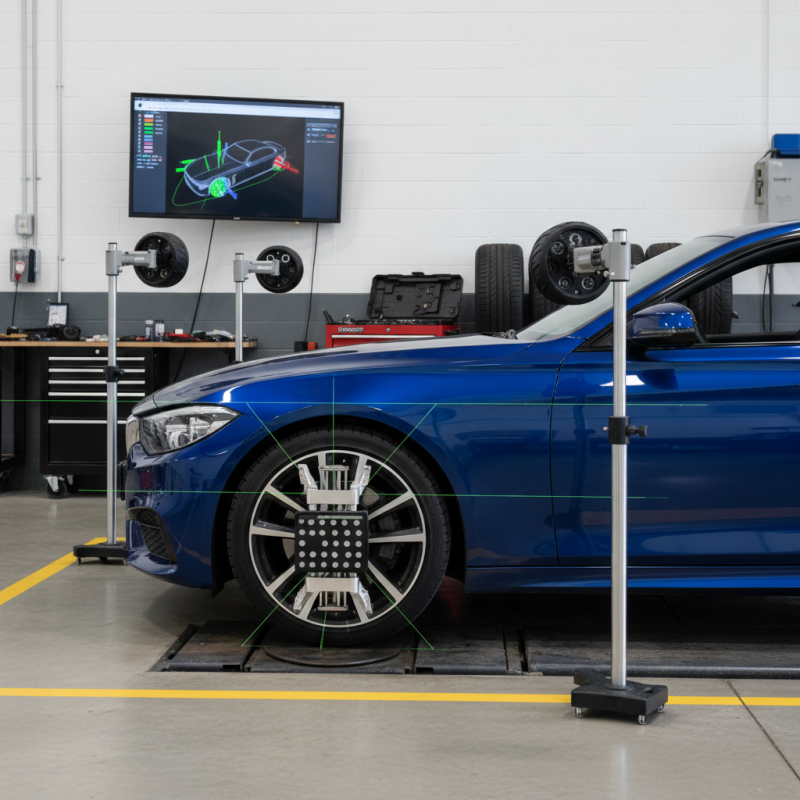
3d Wheel Alignment plays a critical role in vehicle performance. It ensures that all wheels point in the same direction. This precision enhances handling and improves tire life. When misalignment occurs, it leads to uneven tire wear. Drivers often notice vibrations or pulling to one side. These issues arise from a lack of proper alignment.
Many vehicle owners overlook the importance of regular wheel alignment checks. They assume their vehicles are fine without it. However, ignoring this can lead to costly repairs. A simple 3D Wheel Alignment service can prevent serious problems down the road. It not only protects tires but also enhances fuel efficiency. Well-aligned wheels reduce friction between tires and the road.
Investing in 3D Wheel Alignment is crucial. It should be part of routine vehicle maintenance. Regular checks can save money and improve driving safety. Yet, some drivers hesitate due to perceived costs. Reflecting on this, it’s worth considering potential long-term benefits. Proper alignment is vital for both performance and peace of mind.
Importance of Proper Wheel Alignment for Vehicle Performance
Proper wheel alignment is crucial for enhancing vehicle performance. Misaligned wheels can lead to uneven tire wear. According to the Tire Industry Association, proper alignment can extend tire life by up to 25%. This means a more efficient ride and fewer trips to the dealer. When wheels are correctly aligned, the vehicle handles better. Drivers experience improved steering response and stability, which is vital during high-speed maneuvers.
Moreover, misalignment can negatively impact fuel efficiency. The American Automobile Association (AAA) reports that poor alignment can reduce fuel economy by as much as 10%. This translates to increased costs at the pump. Imagine driving with misaligned wheels, constantly battling against unnecessary drag. You might not notice it daily, but the wear on your vehicle is significant. A simple alignment could save you both money and frustration over time.
Often, drivers overlook the signs of misalignment. Uneven tire wear, a pull to one side, or a vibrating steering wheel are common indicators. Ignoring these issues can lead to more severe problems down the line. Your vehicle’s performance relies heavily on these small adjustments. Investing in a 3D wheel alignment might seem tedious, but it pays off in the long run. Don't let misalignment be a silent detractor from your vehicle’s performance.
Effects of Misalignment on Tire Wear and Longevity
Misalignment negatively impacts your vehicle's performance and tire wear. Studies show that improper wheel alignment can reduce tire life by up to 25%. This means you could be replacing your tires more often than necessary. When tires wear unevenly, they grip the road less effectively. This can lead to compromised vehicle control, especially during bad weather.
In addition to tire longevity, misaligned wheels can cause other issues. Drivers may notice their vehicles pulling to one side. This can lead to distracting and dangerous driving conditions. Moreover, the suspension system may suffer under uneven tire pressure. Research indicates that addressing alignment issues early can save up to 30% on repairs in the long run.
Regular 3D wheel alignment checks are essential, especially if you notice unusual patterns on your tires. For instance, if you see excessive wear on one side, it’s a strong indicator. Addressing these issues promptly can prevent costly replacements. The simple act of ensuring your wheels are aligned can significantly enhance your vehicle's safety and performance. Regular checks can truly make a difference.
Impact of Misalignment on Tire Wear Over Time
Impact of 3D Technology on Precision in Wheel Alignment
3D technology has revolutionized the way we approach wheel alignment. Traditional alignment methods often lack precision, leading to uneven tire wear and reduced vehicle performance. In contrast, 3D wheel alignment systems utilize advanced optical sensors and software to measure all angles of a vehicle's wheels accurately. According to industry studies, 3D alignment can improve alignment accuracy by over 30% compared to older techniques.
Precision is critical for optimal vehicle handling. A precise alignment can enhance fuel efficiency by up to 10%. However, not all shops have embraced this technology. A report from an automotive industry publication stated that nearly 40% of service centers still rely on outdated methods. This gap highlights a need for drivers to seek providers equipped with modern 3D alignment equipment.
While 3D systems automate many processes, human oversight remains crucial. Errors can arise from miscalibrated sensors or software glitches. Regular training and equipment checks are necessary to ensure accuracy. Despite the technology's promise, some technicians may overlook critical aspects during the alignment process, leading to suboptimal outcomes. Thus, vehicle owners should remain vigilant and seek feedback after service.
Correlation Between Wheel Alignment and Fuel Efficiency
Proper wheel alignment is crucial for your vehicle's overall performance. Misaligned wheels can create uneven tire wear, leading to a need for more frequent replacements. This not only spikes your maintenance costs but can also compromise safety on the road. You might notice your car pulling to one side, which indicates a need for alignment.
In terms of fuel efficiency, proper wheel alignment plays a significant role. When wheels are misaligned, it requires more energy to keep the vehicle moving straight. This inefficiency can result in increased fuel consumption. Think about it: a small adjustment may save you in fuel costs over time. However, many drivers overlook this essential maintenance aspect. Ignoring it may seem easier at the moment but might hurt you financially in the long run.
Consider how often you check your tire pressure or engine oil. Wheel alignment deserves similar attention. It's easy to push this issue aside, but regular checks could lead to better performance and savings. Reflect on your driving habits. Are you regularly maintaining your vehicle? This small change can have a big impact on both your wallet and the environment.
Why is 3D Wheel Alignment Important for Your Vehicle? - Correlation Between Wheel Alignment and Fuel Efficiency
| Factor | Impact on Fuel Efficiency | Estimated Fuel Efficiency Loss (%) | Recommended Alignment Frequency |
| Toe Adjustment | Improper toe can cause uneven tire wear and increased rolling resistance. | 1-3% | Every 6,000 miles or as needed |
| Camber Angle | Excessive negative camber can lead to increased drag and reduced efficiency. | 2-5% | Every 12,000 miles or if handling feels off |
| Caster Angle | Incorrect caster may affect steering effort and stability, impacting efficiency. | 1-2% | Annually or as required |
| Tire Pressure | Low tire pressure increases rolling resistance, negatively affecting mileage. | 3-4% | Monthly check-up |
Signs Your Vehicle Needs 3D Wheel Alignment Services
Misaligned wheels can lead to various issues with your vehicle. One clear sign is uneven tire wear. If one side of your tires wears down faster, it’s a warning sign. Regular tire rotation can help, but if the problem persists, it might be time for an alignment check.
Another indicator is when your vehicle pulls to one side while driving. This can be distracting and may require correction.
Strange vibrations in your steering wheel also suggest alignment problems. If you feel shaking, it’s essential to address this promptly. Ignoring these signs can lead to further damage over time. You might notice your steering wheel is off-center even when you drive straight. This inconsistency can be frustrating and is often overlooked.
Lastly, if your vehicle feels unstable at high speeds, alignment issues could be to blame. It’s hard to enjoy a smooth ride when your wheels are not in sync. Staying attentive to these signs helps maintain your vehicle's performance and safety. Regular checks ensure you don’t face bigger issues down the road.