Top Kubota Mini Excavator Tracks for Sale Worldwide
Choosing the right kubota mini excavator tracks can improve stability, traction, and daily jobsite efficiency. However, a low price does not always mean better value.
This guide examines reliable track options available from suppliers worldwide. It considers rubber compound, tread design, steel reinforcement, dimensions, and operating conditions. Experienced equipment technicians usually begin with the excavator model and serial number. They then confirm track width, pitch, link count, and guide design. A Kubota U17 working on soft garden soil needs different traction from a machine clearing rocky construction ground. Small details matter.
Quality evidence should come from clear product specifications, accurate measurements, and supplier support. Reputable sellers explain compatibility instead of making broad promises. They should also provide installation guidance, warranty terms, delivery information, and practical maintenance advice. Before ordering, inspect the current tracks for uneven wear, exposed cables, cracked lugs, or loose tension. Those signs can reveal problems with rollers or sprockets. Replacing tracks alone may not solve the real issue.
Some recommendations may still require careful review. Working conditions vary, and online measurements can be misunderstood. Even experienced buyers make mistakes when they rush. That is worth remembering. A sensible comparison balances price, service life, machine fit, and total ownership cost. With these points in mind, the following overview highlights top Kubota mini excavator tracks for sale worldwide and explains how to select dependable replacements for demanding work.
Kubota Mini Excavator Track Types and Their Main Applications
Top Mini Excavator Tracks for Sale Worldwide
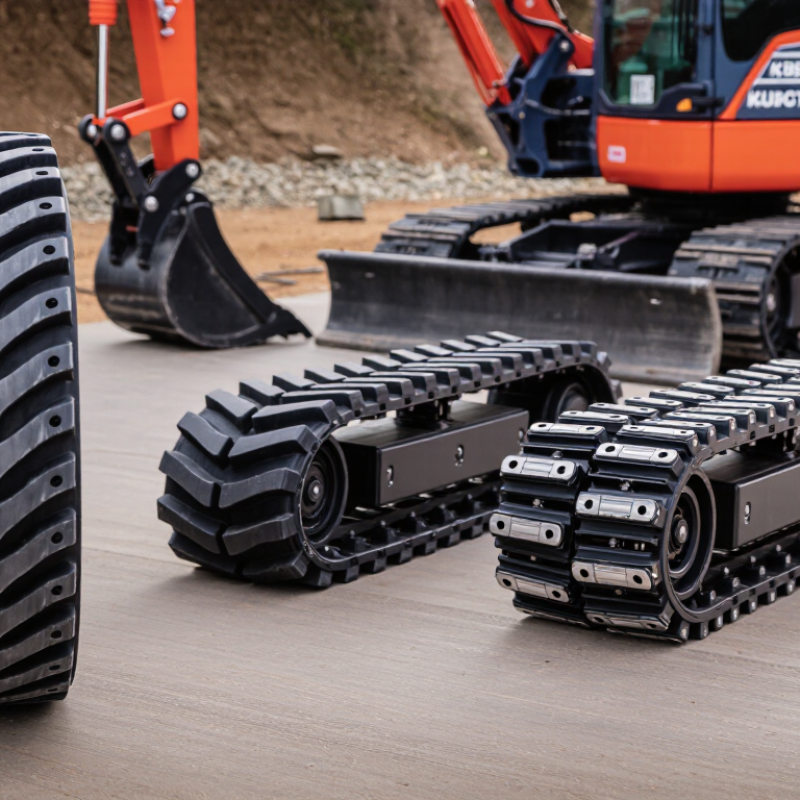
Mini excavator tracks are not interchangeable accessories. They control traction, ground pressure, vibration, and operating stability. Rubber tracks suit landscaping, road maintenance, and finished surfaces. Their flexible tread reduces noise and limits surface marking. Steel tracks perform better on demolition sites, sharp rock, mud, and uneven ground. They usually deliver stronger puncture resistance, but can damage paved areas.
A mixed system uses steel chains with rubber pads. It offers better protection than bare steel while retaining strong digging support. This option fits contractors moving between soil and concrete. The 2024 Off-Highway Research compact equipment outlook identifies compact excavators as a fast-growing equipment category, supported by urban construction and rental demand. That trend increases the need for application-specific track selection.
Track width also matters. Wider tracks reduce ground pressure and improve flotation on wet soil. Narrow tracks help machines pass through gates and crowded work areas. The Freedonia Group’s 2023 World Construction Machinery report highlights replacement demand as a major aftermarket driver. Field inspections support that finding. Worn lugs, exposed cords, uneven tension, and cracked guide channels are practical warning signs. Measure pitch, link count, width, and sprocket compatibility before ordering. Small errors become expensive quickly. In my experience, operators often replace tracks too late. That habit deserves reconsideration.
Top Mini Excavator Tracks for Sale Worldwide
Mini excavator tracks are selected according to ground conditions, machine weight, traction requirements, and the risk of surface damage. The chart shows typical track-width ranges commonly used across compact excavator applications.
Standard rubber tracks are suitable for general construction and landscaping because they provide good traction with lower surface damage. Non-marking rubber tracks are preferred on finished surfaces such as concrete, paved areas, and indoor work sites. Steel tracks offer greater durability and grip on rocky or abrasive ground, while steel tracks fitted with rubber pads combine improved protection for paved surfaces with the strength of a steel track system.
How to Match Track Size with Your Kubota Excavator Model
Matching the correct track size to a compact excavator model starts with accurate measurements, not visual guesses. Measure the track width, pitch, and number of links. Width is checked across the rubber track, while pitch is measured between adjacent pin centers. Count every link carefully. One missing link can change the fit.
I once relied on an old parts invoice. That shortcut was a mistake. Model variations, production years, and serial ranges may use different undercarriage dimensions. Check the machine plate and compare its model code with the supplier’s fitment chart. Confirm sprocket tooth spacing, roller condition, and idler position before ordering. A worn sprocket can damage a new track quickly.
Choose rubber tracks for paved surfaces, landscaping, and quieter work areas. Steel tracks may suit rocky ground, demolition zones, or severe abrasion. However, steel can mark finished surfaces and increase vibration. Track width also affects ground pressure and stability. Wider tracks spread the machine’s weight, but they may not clear the frame or rollers.
Leave room for error. Measure twice.
Before installation, inspect the final drive, rollers, and track tensioner. A track that fits on paper may still fail if the undercarriage is bent or badly worn. During fitting, release tension carefully and keep hands away from pinch points. After several operating hours, recheck tension and look for uneven wear, exposed cords, or unusual movement. Reliable sourcing includes clear dimensions, recent photographs, warranty terms, and shipment details.
Top Kubota Mini Excavator Tracks for Sale Worldwide - How to Match Track Size with Your Kubota Excavator Model
Key Features to Compare When Buying Kubota Replacement Tracks
Choosing replacement tracks for a compact excavator requires more than matching the machine model. Compare track width, pitch, link count, and tread pattern first. A small measurement error can create uneven loading or derailment. Check the original dimensions with a ruler, not memory.
Track construction also matters. Look for continuous steel cables, reinforced lugs, and a compound suited to mud, gravel, or paved surfaces. The 2024 Off-Highway Research construction equipment outlook identifies compact machinery as a strong global demand segment. That trend increases demand for dependable replacement components. Freedonia’s 2023 World Industrial Rubber report also links rubber-product performance to compound quality and operating conditions. However, published service-hour claims vary widely. I still find them easy to overtrust. Actual life depends on turning habits, undercarriage alignment, terrain, and cleaning routines.
Tips:
Compare the track’s measured dimensions with the seller’s technical drawing. Ask for rubber hardness, cable design, warranty terms, and return conditions. Choose deeper tread for soft ground, but avoid aggressive patterns on finished surfaces. Inspect sprockets and rollers before installation. Worn components can damage a new track quickly. Keep both tracks matched in size and tread design. Take photos before removal. This makes installation mistakes easier to review.
Worldwide Purchasing, Installation, and Maintenance Considerations
When buying mini excavator tracks worldwide, match measurements before comparing prices.
Check track width, pitch, link count, guide style, and sprocket condition. A few millimeters can create costly fitting problems. Ask the supplier for a dimensional drawing and clear product photographs. Record the machine’s serial details, operating weight, and working environment. Mud, crushed stone, and frozen soil require different rubber compounds or steel designs. Freight charges, delivery time, packaging, and import procedures can change the real purchase cost. The cheapest offer may not be the cheapest solution.
Installation needs a clean, level work area and properly rated lifting equipment.
Release track tension carefully, because stored energy can cause sudden movement. Inspect rollers, idlers, and sprockets before fitting new tracks. Worn components can damage a replacement track quickly. I have seen installations fail because the operator measured only the old track’s outer length. That shortcut was convenient, but incomplete. Follow the equipment service manual and confirm tension after several operating hours.
Maintenance starts with daily cleaning.
Remove stones from the sprocket and check for cuts, exposed cords, uneven wear, or missing tread blocks. Keep the undercarriage aligned and avoid sharp turns on hard surfaces. During long storage, park on firm ground and reduce direct sunlight exposure. Track life depends on habits, not only material quality. A realistic inspection record should include hours used, terrain, tension readings, and repair dates. Suppliers who provide traceable specifications, warranty terms, and responsive technical support deserve closer attention.