What are Small Rubber Tracks and Their Benefits for Buyers?
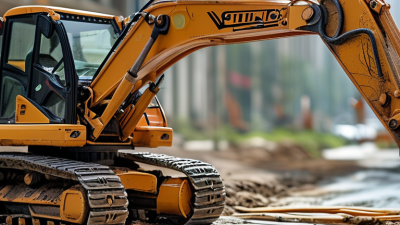
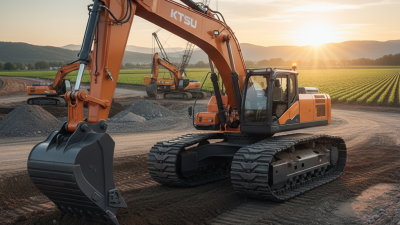
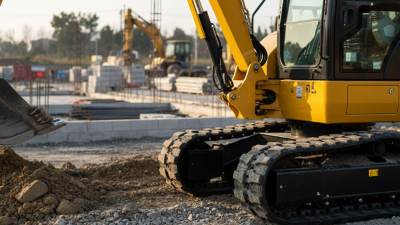
Small rubber tracks are an innovative solution for various machinery, providing numerous benefits to buyers. These tracks are designed for compact equipment, enhancing mobility and performance in tight spaces. In construction and landscaping, they offer superior grip and traction. Their lightweight design allows machines to traverse delicate terrains without causing damage.
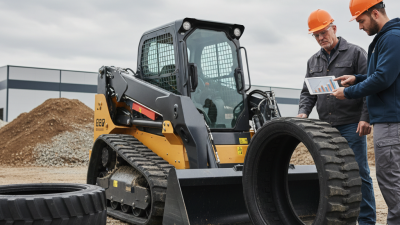
Buyers often appreciate the versatility of small rubber tracks. They are suitable for mini-excavators, skid steers, and more. Durability is another key advantage, ensuring these tracks withstand tough conditions. However, not all small rubber tracks are created equal. It’s crucial for buyers to research and compare options.
Understanding the specific needs of your machinery will help ensure a wise investment. Depending on the application, different tread patterns and rubber compounds may perform better. Therefore, buyers must consider their unique situations carefully. Small rubber tracks represent a practical choice for many industries, contributing to efficiency and effectiveness in operations.
Definition and Overview of Small Rubber Tracks
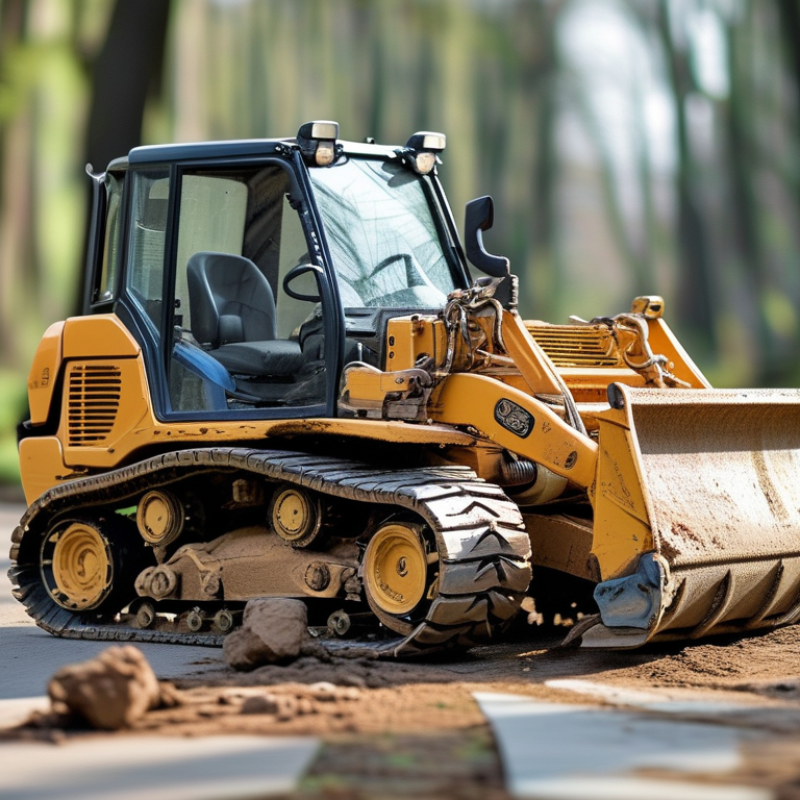
Small rubber tracks are vital components in various compact machinery. These tracks are designed for machines like
mini excavators and compact track loaders. They provide a balance between traction and ground protection, making
them ideal for landscaping and construction tasks. Small rubber tracks offer improved stability, especially on
uneven terrain. The flexibility of the rubber helps these machines navigate tight spaces with ease.
The construction of small rubber tracks includes durable materials that withstand heavy loads. They are often
engineered to reduce vibration and enhance operator comfort. This helps increase productivity and reduces operator
fatigue during long hours of use. Another benefit is their lower ground pressure. This feature minimizes soil
disruption, which is crucial in sensitive environments.
While small rubber tracks have many advantages, users must consider maintenance. Regular checks are necessary
to ensure track alignment and tension. Neglecting these aspects can lead to premature wear and costly repairs.
Understanding the trade-offs of using small rubber tracks can empower buyers to make informed choices.
Key Features of Small Rubber Tracks
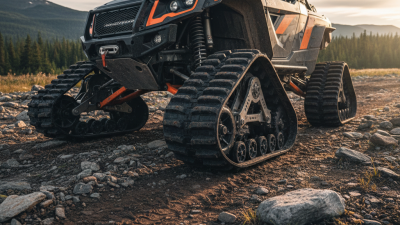
Small rubber tracks are designed for a variety of compact equipment. They offer a lightweight solution while maintaining durability. The versatility of these tracks makes them suitable for different applications, including landscaping and construction projects. Their design allows for a smoother ride over rough terrain, minimizing damage to the ground.
Key features of small rubber tracks include traction, shock absorption, and low ground pressure. Traction is crucial for equipment operating on soft or uneven surfaces. The rubber material provides better grip than traditional steel tracks. Shock absorption enhances operator comfort. Operators can work longer without fatigue. Low ground pressure reduces soil compaction, making them eco-friendly options.
When considering small rubber tracks, it’s essential to check compatibility with existing machinery. Measurements of width and length are critical. Proper sizing ensures optimal performance. Additionally, regularly inspecting tracks for wear can prolong their lifespan. A little maintenance goes a long way. Remember, selecting the right design contributes to overall project efficiency.
Benefits of Small Rubber Tracks
This chart illustrates the key benefits of small rubber tracks rated on a scale from 1 to 10. The benefits include durability, traction, versatility, comfort, and cost-effectiveness. Buyers can use this information to assess the value of small rubber tracks for their specific needs.
Benefits of Using Small Rubber Tracks for Equipment
Small rubber tracks are essential for a variety of equipment. Their design allows for improved traction and stability on uneven surfaces. This is particularly beneficial for compact machinery working in tight spaces. Users can navigate more challenging terrains, which can significantly enhance productivity.
One primary benefit of small rubber tracks is their ability to reduce damage to delicate surfaces. Unlike traditional metal tracks, rubber tracks minimize ground disturbance. This quality makes them ideal for landscaping, agriculture, and construction projects. Less damage means lower costs for site restoration.
Consider the weight of your equipment when choosing tracks. Lightweight tracks can offer better maneuverability. Additionally, think about the terrain regularly encountered. If you're often on soft or loose ground, opt for wider tracks for better distribution of weight. Always remember to consult with professionals to ensure you select the best option for your specific needs.
What are Small Rubber Tracks and Their Benefits for Buyers?
| Feature |
Description |
Benefits |
| Durability |
Made from high-quality rubber, allowing for extended use in harsh environments. |
Reduces the need for frequent replacements, saving time and costs. |
| Traction |
Designed to provide superior grip on various surfaces. |
Improves equipment stability and reduces the risk of slippage. |
| Weight |
Lightweight compared to traditional steel tracks. |
Enhances fuel efficiency and lowers operational costs. |
| Versatility |
Compatible with various types of equipment. |
Allows for multi-purpose usage, reducing the need for different tracks. |
| Noise Level |
Produces less noise during operation. |
Creates a more pleasant working environment and reduces noise pollution. |
Comparative Analysis: Small Rubber Tracks vs. Traditional Tracks
Small rubber tracks offer distinct advantages over traditional tracks, especially for small machinery.
Traditional tracks often face issues with grip and traction, particularly on uneven terrains. In contrast,
small rubber tracks provide enhanced stability and reduced ground pressure. This leads to less soil
disturbance and improved maneuverability in delicate environments, such as gardens or agricultural fields.
Industry reports indicate that rubber tracks have an increased lifespan by 20-30% compared to their steel
counterparts. This longevity translates to lower replacement costs over time. Additionally, rubber tracks
generally produce less noise, which is beneficial in noise-sensitive areas. The ability to work efficiently
with reduced wear equates to increased productivity for buyers.
When choosing between options, consider the environment and expected use. Rubber tracks are ideal for
soft surfaces, providing better traction. For more rugged terrains, traditional tracks may be necessary,
albeit with potential tradeoffs in weight and maneuverability. Ensuring you select the right option can
significantly impact performance and operational efficiency.
Applications of Small Rubber Tracks in Various Industries
Small rubber tracks are increasingly popular due to their versatility across different sectors. In agriculture, for instance, they enable efficient movement on soft terrains. Farmers value these tracks for their ability to minimize soil compaction. This leads to healthier crops and better yields, a critical aspect in sustainable farming.
In the construction industry, small rubber tracks enhance mobility for compact machinery. The tracks provide superior traction on uneven surfaces. Operators find that these tracks reduce wear and extend the life of their equipment. It's a practical choice for smaller construction sites, where maneuverability is essential.
The logistics and warehousing sectors also benefit from small rubber tracks. These tracks facilitate the movement of goods in tight spaces. Forklifts equipped with them can navigate narrow aisles with ease. However, it's crucial to consider the weight limits when using these tracks. Overloading can lead to safety hazards and equipment failure. This highlights the necessity of understanding the specific needs of each application.