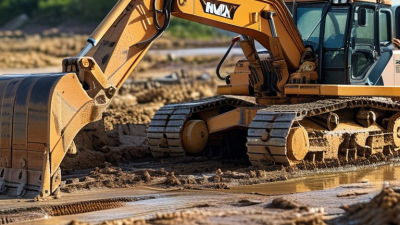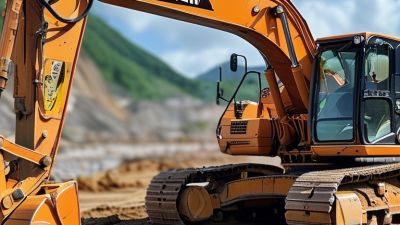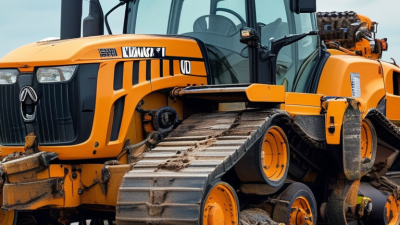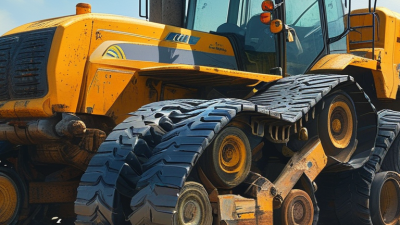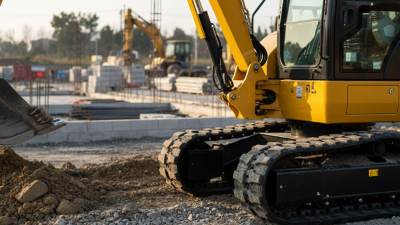


Choosing the right kubota rubber tracks can protect your machine, improve stability, and reduce avoidable downtime. However, buyers often focus only on price and overlook track construction, tread design, and operating conditions. A track that looks suitable in a product photo may still fail to fit the sprocket, idler, or roller system correctly.
This guide examines ten common types of Kubota rubber tracks for different machines and working environments. These options may include standard excavator tracks, heavy-duty tracks, non-marking tracks, and patterns designed for mud, soil, or mixed surfaces. Each type has practical strengths and limitations. For example, deeper tread can improve traction on wet ground, but it may create more vibration on hard surfaces. That detail matters.
Check the machine model first.
Then verify the complete size code.
Reliable selection depends on more than measurements. Buyers should compare pitch, width, link count, steel-core design, tread pattern, rubber compound, and warranty terms. Experienced operators also inspect the undercarriage before ordering. Worn sprockets or damaged rollers can shorten the life of new tracks, even when the tracks themselves meet specifications. That mistake is surprisingly common.
No single track suits every job. A landscaping contractor working on paved driveways may need a different design from a contractor digging through rocky soil. The best choice balances fit, terrain, load, working hours, and replacement cost. This overview aims to provide practical, evidence-based guidance while acknowledging one uncomfortable truth: product labels are not always as clear as buyers expect. Careful verification remains essential.
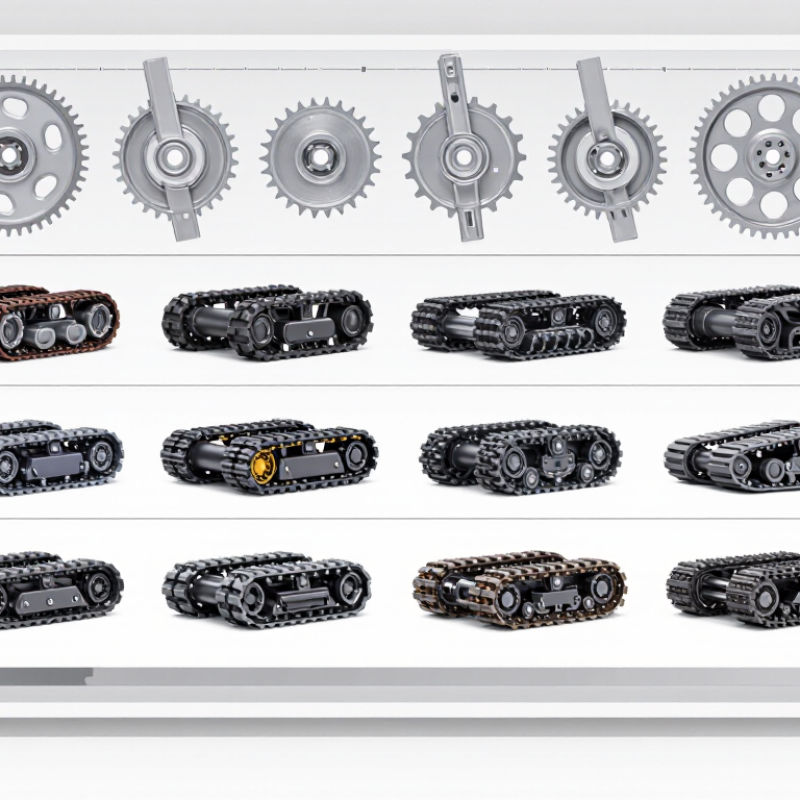
Rubber track selection starts with three measurements: width, pitch, and link count. A marking such as 230 x 72 x 43 means 230 millimeters wide, with 72-millimeter pitch and 43 links. Measure the installed track instead of trusting memory. Small errors can cause poor sprocket engagement, premature wear, or difficult installation. I have seen owners order the correct width but miss the link count.
Tread patterns change how a machine behaves. Block patterns offer balanced traction on soil, gravel, and light construction surfaces. Bar-style patterns can improve forward grip but may feel rough on paved ground. Zigzag or multi-bar designs often reduce vibration during travel. Deep lugs suit soft terrain, while shallow patterns create less disturbance on finished surfaces. No tread is perfect.
Construction matters under the rubber. Quality tracks usually combine continuous steel cords, a reinforced carcass, and molded tread sections. Steel cords resist stretching, but sharp demolition debris can still damage exposed edges. Check the cord arrangement, rubber hardness, and sidewall thickness when comparing products. A track that feels extremely soft may ride quietly, yet wear faster under heavy loads. That trade-off is easy to overlook. Clean the undercarriage regularly, keep correct tension, and inspect the sprocket and rollers together. Otherwise, a new track may inherit an old mechanical problem.
| No. | Rubber Track Type | Typical Tread Pattern | Common Construction | Common Size Examples (Width × Pitch × Links, mm) |
Best-Suited Applications | Main Buying Advantages | Important Limitations |
|---|---|---|---|---|---|---|---|
| 1 | Standard Block Tread | Balanced staggered blocks with moderate voids | Endless rubber body with embedded steel cables and molded metal drive lugs | 180 × 72 × 37 200 × 72 × 37 230 × 72 × 43 |
General excavation, landscaping, trenching, and routine site work | Good balance of traction, ride comfort, ground protection, and service life | Not optimized for extremely muddy, rocky, or highly abrasive conditions |
| 2 | Bar or Lug Tread | Raised transverse bars or pronounced lugs | Heavy-duty rubber compound reinforced with high-tensile steel cables | 230 × 72 × 43 250 × 72 × 43 300 × 72 × 46 |
Soft soil, slopes, earthmoving, and applications requiring increased drawbar pull | Strong forward and lateral traction with improved self-cleaning | Can create more surface disturbance and transmit more vibration than a smoother tread |
| 3 | Zigzag Tread | Chevron or zigzag ribs running across the tread | Rubber tread with continuous steel reinforcement and molded guide lugs | 200 × 72 × 37 250 × 72 × 43 300 × 72 × 46 |
Mixed soil, gravel, compacted ground, and daily construction work | Predictable handling, balanced traction, and relatively smooth travel | Sharp rock and severe abrasion can shorten tread life |
| 4 | Multi-Bar Tread | Several closely spaced transverse bars | High-abrasion rubber compound with reinforced steel cable layers | 250 × 72 × 43 300 × 52.5 × 84 320 × 86 × 49 |
Construction sites, hard-packed soil, and frequent travel over uneven ground | More contact edges for traction while distributing machine weight | Tight tread spacing may retain sticky clay or wet soil |
| 5 | Smooth Tread | Low-profile ribs or nearly continuous smooth surface | Standard rubber body with steel reinforcement and a low-disturbance tread design | 180 × 72 × 37 200 × 72 × 37 230 × 72 × 43 |
Paved areas, finished landscapes, lawns, turf, and indoor work zones | Minimizes ground marking and provides a smoother ride on hard surfaces | Limited grip in mud, loose soil, and steep off-road conditions |
| 6 | Non-Marking Track | Smooth or lightly ribbed tread with a light-colored compound | Non-marking rubber compound with steel cables and molded drive lugs | 200 × 72 × 37 230 × 72 × 43 250 × 72 × 43 |
Indoor floors, finished concrete, sports surfaces, and sensitive landscaping | Reduces black scuff marks and protects finished surfaces | Usually costs more and may offer less abrasive resistance than standard black rubber |
| 7 | Heavy-Duty Steel-Core Track | Deep block, bar, or reinforced chevron pattern | High-tensile steel cables, reinforced metal core, and abrasion-resistant rubber | 300 × 72 × 46 320 × 86 × 49 350 × 72 × 54 |
Long working hours, rocky ground, demolition support, and heavy material handling | Improved resistance to stretching, cutting, and core damage | Heavier, less flexible, and potentially more expensive to install |
| 8 | Wide Low-Ground-Pressure Track | Broad block or bar tread across an increased track width | Reinforced rubber with steel cables and a wide load-bearing footprint | 300 × 52.5 × 84 320 × 86 × 49 350 × 72 × 54 |
Wet ground, peat, turf, sand, and areas where soil compaction must be reduced | Distributes machine weight over a larger area and improves flotation | May reduce maneuverability and requires sufficient undercarriage clearance |
| 9 | Narrow-Access Track | Compact block or zigzag tread in a narrow track width | Flexible rubber compound with embedded steel cables and compact guide lugs | 180 × 72 × 37 200 × 72 × 37 230 × 72 × 43 |
Backyards, narrow gates, utility trenches, indoor demolition, and confined sites | Fits compact machines and restricted access routes | Smaller contact area can increase ground pressure and reduce flotation |
| 10 | Low-Vibration Comfort Track | Rounded blocks, fine ribs, or pitch-optimized tread layout | Flexible rubber compound with tuned steel reinforcement and balanced lug geometry | 200 × 72 × 37 230 × 72 × 43 250 × 72 × 43 |
Urban maintenance, pavement work, landscaping, and frequent road travel | Reduces vibration, noise, and operator fatigue during repeated movement | May provide less bite in deep mud or highly loose material |
Buyer’s measurement note: Rubber track size is commonly expressed as width × pitch × number of links. Confirm the complete undercarriage specification, guide-lug position, roller configuration, and manufacturer fitment before ordering; size examples are representative industry dimensions and are not interchangeable solely by nominal width.