Top 10 Bobcat Mini Excavator Tracks You Need to Know?
Bobcat mini excavator tracks are essential components in the construction and landscaping industry. With increasing demand, the market for mini excavator parts is expected to grow at a rate of 5.1% annually through 2027. This highlights the importance of understanding various track options available for Bobcat mini excavators.
These tracks not only enhance the machine's performance but also affect its longevity and efficiency. A recent study indicates that nearly 30% of maintenance costs in excavation machinery come from track-related issues. This emphasizes the need for operators to select the right tracks that reduce wear and improve productivity.
In an industry where every detail matters, knowing the best Bobcat mini excavator tracks can make a significant difference. Many contractors overlook the role of quality tracks in maximizing fuel efficiency and minimizing downtime. The right choice of tracks can lead to optimal performance, yet many operators encounter difficulties in selection. Understanding this crucial aspect can lead to smarter investment and better operational outcomes.
Overview of Bobcat Mini Excavators and Their Applications
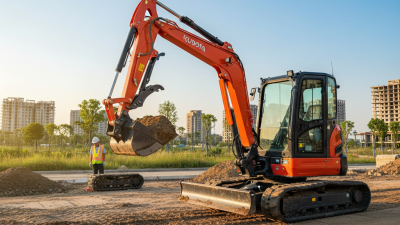
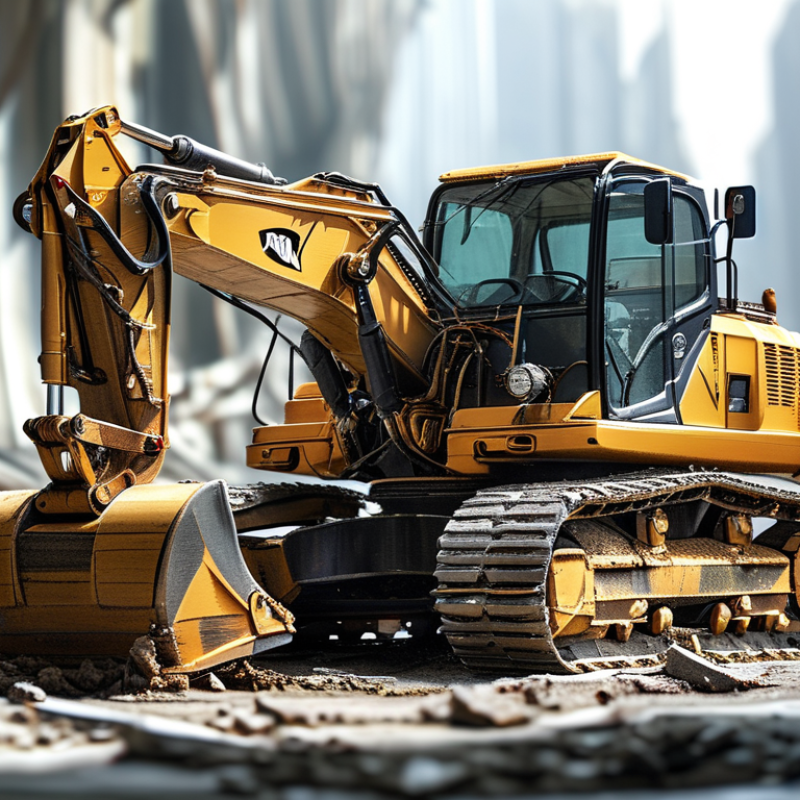
Bobcat mini excavators have gained popularity due to their versatility and compact design. These machines are widely used in construction, landscaping, and utility work. Data from the American Rental Association highlights that mini excavators represent over 25% of all rented earthmoving equipment, indicating their essential role in various projects. Their ability to operate in tight spaces makes them a favorite for urban applications.
In landscaping, Bobcat mini excavators facilitate tasks like digging, grading, and trenching. The machines can quickly maneuver around obstacles, increasing job efficiency. A study by Construction Equipment magazine revealed that users reported a 30% reduction in project completion time when utilizing mini excavators compared to larger counterparts. This efficiency can significantly impact profitability and workflow in competitive markets.
However, reliance on compact machines can pose challenges. Operators may face limitations when dealing with larger volumes of material or heavy-duty tasks. It's crucial to evaluate project requirements carefully. Investing in mini excavators can yield substantial benefits, but misjudgment of their capabilities could lead to project delays. Understanding the machine's strengths and weaknesses is key. Implementing proper training for operators helps mitigate potential errors and enhances overall effectiveness in the field.
Key Features to Consider When Choosing Tracks for Bobcat Mini Excavators
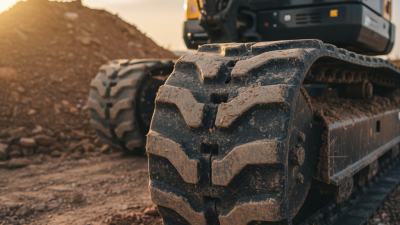
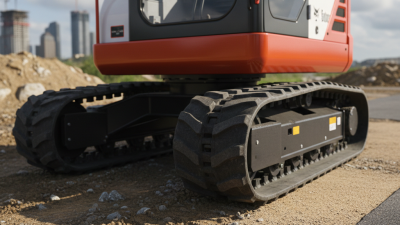
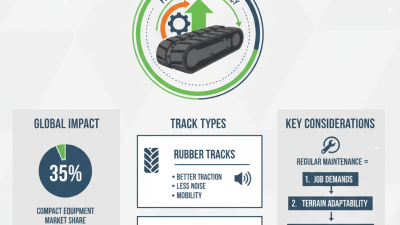
When choosing tracks for Bobcat mini excavators, key features deserve attention. Track material plays a crucial role in performance. Rubber tracks offer excellent traction and protect surfaces, while steel tracks are more durable for rough terrains. Consider the environment where the machine operates. For soft ground, wider tracks distribute weight better, preventing sinking.
Track width and length also influence maneuverability. A longer track provides better stability, while a shorter one enhances agility. Look for tracks that resist wear and have good grip. Be mindful of the tread pattern; a deeper tread improves traction on uneven surfaces. Proper installation and maintenance are essential.
User feedback is vital in assessing track reliability. Reviews often highlight performance under various conditions. Some users note excessive wear in certain tracks, pointing out the need for rigorous testing. Balancing cost with quality demands careful thought. Investing in high-quality tracks can yield better long-term results, but always evaluate specific needs before making a decision.
Top 10 Recommended Tracks for Bobcat Mini Excavators in 2023
When it comes to Bobcat mini excavators, selecting the right tracks is crucial. The right tracks can significantly improve performance, efficiency, and safety. In 2023, several top-rated options stand out. Understanding these options enhances decision-making for users in construction or landscaping.
Durability is key. Look for tracks made of high-quality materials that can withstand tough conditions. Consider the tread design as well; it impacts traction and maneuverability. Wider tracks may distribute weight better, which can prevent damage to softer ground. However, wider tracks may limit agility in tight spaces.
Maintenance is another factor to reflect upon. Regular inspections and timely replacements ensure optimal function. Be aware that not all tracks will fit every job. It's essential to match track type to specific tasks for maximum effectiveness. Finding the balance requires careful consideration. Seek advice from experienced operators or specialists when necessary. Their insights could save time and resources in the long run.
Maintenance Tips for Extending the Lifespan of Mini Excavator Tracks
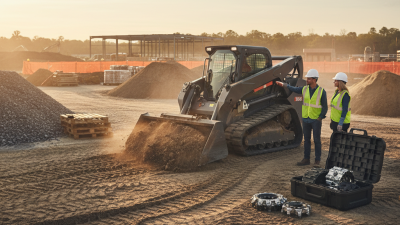
Maintaining the tracks of your mini excavator is crucial for performance and longevity. Regular inspections can prevent costly repairs. Check for signs of wear, such as cracks or uneven tread patterns. Identifying issues early on can save time and money.
Proper lubrication is vital. Ensure the rollers and idlers are adequately greased. This reduces friction and wear. Don't forget to clean debris from the tracks regularly. Accumulated dirt and rocks can lead to premature damage. A clean track operates more efficiently.
Pay attention to the tension of the tracks. Loose tracks can derail, while too-tight tracks cause stress. Maintaining the correct tension ensures balanced usage. Remember to rotate the tracks during maintenance. This promotes even wear, extending their lifespan significantly. Regular care leads to better performance and saves your investment in the long run.
Comparative Analysis of Track Materials for Bobcat Mini Excavators
When evaluating track materials for Bobcat mini excavators, rubber and steel are the main contenders. Rubber tracks offer flexibility and a quieter operation, which is ideal for urban projects. They carry a lower risk of damaging roads and hard surfaces. According to a recent industry report, rubber tracks can last up to 2,000 hours under normal use. However, their resistance to sharp rocks is limited.
On the other hand, steel tracks shine in durability. They excel in rough terrains, offering great traction and stability. A comparative analysis indicates that while steel tracks last longer—up to 5,000 hours—they can be noisy and harsh on softer grounds. Some users report issues with soil compaction when steel tracks are used frequently on delicate surfaces.
The choice between rubber and steel tracks is nuanced. Each material has distinct advantages and drawbacks. Project requirements and operating conditions should guide the decision. Understanding these factors ensures you make an informed choice for your specific needs.