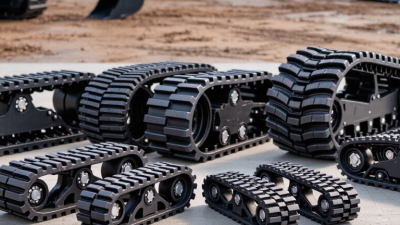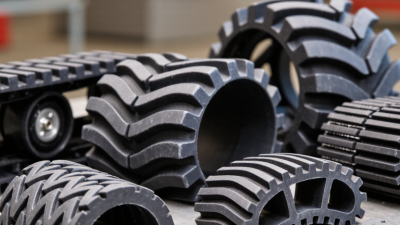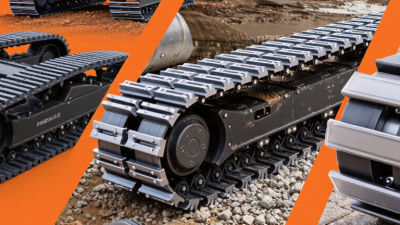
Choosing reliable mini excavator tracks is not simply a matter of comparing prices. A track may look strong on a supplier’s website, yet fail early on rocky ground or during repeated turning. Contractors need evidence, not attractive claims. Field experience matters here. Operators often notice the difference through vibration, steering response, and uneven wear before a formal inspection reveals anything.
David Hines, an independent undercarriage consultant with extensive rubber-track experience, says, “The best track is the one matched to the machine, ground, and working habits.” That practical point shapes this guide. Leading suppliers should provide accurate dimensions, tested rubber compounds, reinforced steel cores, and clear installation guidance. Their records should also show dependable delivery and responsive after-sales support. A low quotation is not always economical.
This article examines the top China mini excavator tracks suppliers through those measurable factors. It considers manufacturing experience, quality controls, tread design, warranty terms, and compatibility with popular excavator brands. Supplier transparency receives attention too. Can the company explain its compound choice? Can it provide inspection details or customer references? These questions expose weak options quickly.
Some evaluations remain imperfect. Public supplier data can be limited, and product quality may vary between batches. That uncertainty deserves honest discussion. Buyers should request samples, verify measurements, and test tracks under real working conditions whenever possible. Mud changes everything. So does abrasive stone. The strongest supplier is not necessarily the largest one. It is the partner that consistently delivers suitable mini excavator tracks for demanding applications.
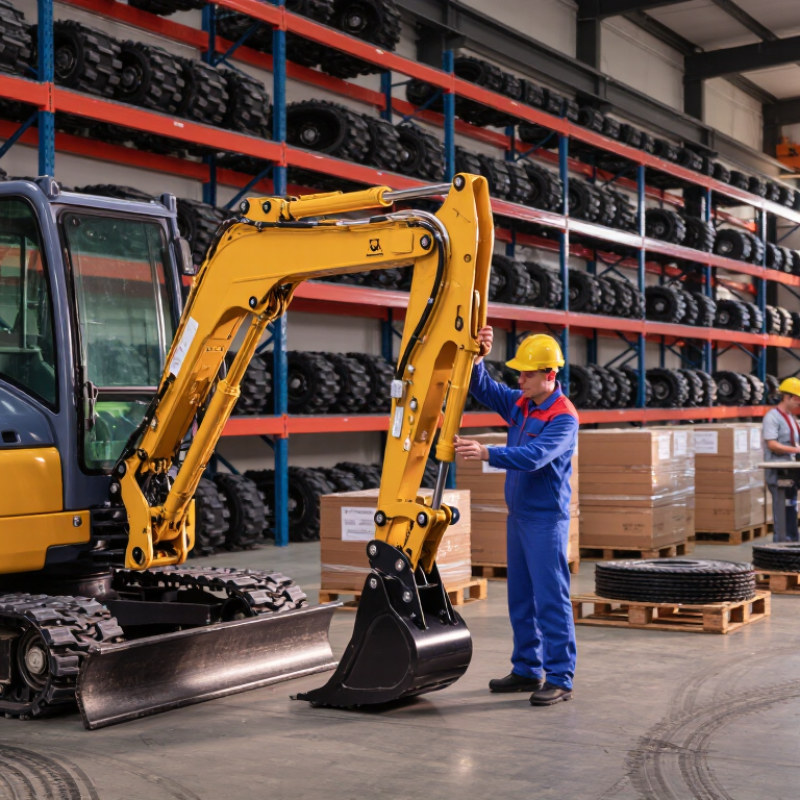
China mini excavator tracks are continuous rubber or steel-reinforced belts designed for compact excavators, usually operating below about 8 tonnes. They transfer engine power through sprockets, support the machine’s weight, and protect finished surfaces better than steel chains. A typical track contains embedded steel cords, a wear-resistant rubber compound, guide lugs, and a tread pattern matched to soil conditions. Track width, pitch, link count, and sprocket alignment determine whether replacement fitment is safe. Small differences matter.
The China Construction Machinery Association reported 195,018 excavators sold in China during 2023. That large installed base supports steady demand for replacement tracks, especially from landscaping, drainage, farming, and municipal contractors. Industry reports also identify undercarriage components as recurring maintenance products because rubber tracks face abrasion, heat, sharp stones, and incorrect tension. In field inspections, loose tracks often show uneven lug wear, while excessive tension can damage rollers and steel cords. This detail is easy to overlook. China-made tracks commonly offer several rubber formulations, tread designs, and reinforcement levels for different working environments. However, the lowest quoted price may reflect thinner rubber or weaker internal bonding. Buyers should verify measured dimensions, load rating, warranty terms, and production quality records rather than rely on appearance alone. Fitment remains imperfect in practice, particularly when old track dimensions were recorded incorrectly.
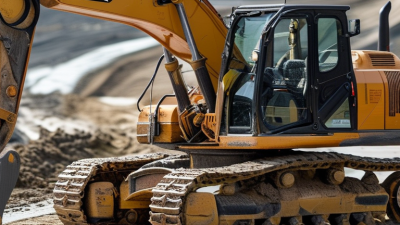
In China, mini excavator tracks are supplied by several types of companies. Specialized rubber track manufacturers produce tracks for compact excavators, skid steers, and small agricultural machines. Many operate in industrial areas with mold production, rubber mixing, steel core forming, and final inspection under one roof.
Some original equipment manufacturers supply tracks through excavator dealers or authorized parts channels. Their products usually match specific machine dimensions, including width, pitch, link count, and roller spacing. Independent replacement-track factories also serve exporters and repair distributors. They often offer common sizes, custom tread designs, and private-label packaging without requiring large orders.
Experienced buyers should check more than tread appearance. Ask about rubber compound, embedded steel wire, core alignment, tensile strength, and operating temperature. A reliable supplier can provide size drawings, loading photos, test records, and clear warranty terms. It should also explain whether the track suits asphalt, muddy soil, gravel, or mixed construction sites.
Price comparisons can be misleading. A cheaper track may use a softer compound and wear quickly on concrete. I have also seen good-looking tracks with uneven core spacing. That problem appeared only after installation. Supplier communication matters, but I still prefer physical samples and measured specifications. Small details often decide whether a track lasts six months or several working seasons.
Who Are the Top China Mini Excavator Tracks Suppliers?
How Do China’s Leading Track Suppliers Compare?
China’s leading mini excavator track suppliers differ more in manufacturing discipline than catalog size. Experienced buyers inspect rubber compounds, steel core alignment, tread depth, and mold consistency. A reliable track should fit cleanly without forcing the sprocket or idler. Small alignment errors can create vibration, uneven wear, and expensive downtime.
Some suppliers focus on standard dimensions and fast production. Others provide custom track patterns for compact excavators working on concrete, soil, or mixed terrain. Ask for measurable details, including rubber hardness, tensile strength, steel wire arrangement, and estimated service hours. Factory photographs help, but physical samples reveal more. A sample matters.
Quality control also separates serious suppliers from inconsistent producers. Better factories record batch numbers, inspect bonding between rubber and steel, and test finished tracks under load. Their warranties explain coverage clearly, including exclusions for incorrect installation or severe abrasion. However, warranty language alone proves little. Buyers should request inspection records and speak with existing equipment distributors when possible.
Pricing comparisons need careful judgment. A low quotation may hide thinner tread rubber, weaker steel reinforcement, or limited after-sales support. Delivery speed can also vary during peak production periods. I have seen specifications look excellent on paper, yet the sample felt too stiff in cold conditions. That possibility deserves attention. Compare samples, documentation, replacement support, and communication before placing a large order.
| Supplier Category | Typical Product Coverage | Common Track Sizes | Typical Minimum Order | Typical Production Lead Time | Quality Documentation | Main Competitive Advantage | Best-Suited Buyer |
|---|---|---|---|---|---|---|---|
| Large-Scale Track Manufacturer | Rubber tracks, steel tracks, track pads, sprockets, rollers and undercarriage components | 180–450 mm width; approximately 72–120 links depending on pitch and machine model | 1–2 sets for standard sizes; custom specifications may require a higher quantity | 7–15 working days for standard products; 20–35 working days for special specifications | Batch inspection records, material certificates and dimensional inspection reports are commonly available | Broad product range and strong production capacity | Importers, distributors and equipment rental groups |
| Aftermarket Rubber Track Specialist | Replacement rubber tracks for mini excavators, compact loaders and tracked carriers | 180–400 mm width; common pitches include approximately 72–90 mm | 1 set for many catalog sizes | 5–12 working days for stocked or standard sizes | Product specification sheets, visual inspection and basic dimensional checks | Competitive replacement pricing and flexible order quantities | Repair shops, rental companies and independent machinery dealers |
| OEM-Pattern Custom Supplier | Made-to-specification rubber tracks, custom tread designs and private-label packaging | Usually produced according to machine model, pitch, width and link count | Small trial orders may be accepted; custom molds can require larger commitments | 15–30 working days; mold development may extend the first order | Technical drawings, sample approval records and production inspection documents | High customization and private-label support | Original-equipment project buyers and established distributors |
| Export-Oriented Trading and Supply Company | Multiple undercarriage product lines sourced from qualified manufacturing partners | Common mini excavator widths from 180 mm to 450 mm | 1 set for many standard items; mixed-container purchasing may be available | 10–25 working days, depending on factory allocation and inspection schedule | Commercial inspection reports and supplier-provided certificates may be available | Convenient sourcing of mixed products and export coordination | Small and medium-sized overseas buyers |
| Premium Heavy-Duty Track Producer | Reinforced rubber tracks, high-wear compounds and heavy-duty undercarriage parts | Typically covers 200–450 mm widths for demanding operating conditions | 1 set for standard products; project orders may have higher requirements | 12–25 working days for standard products | Compound specifications, batch traceability and enhanced inspection records | Improved wear resistance for abrasive or high-hour applications | Construction contractors, quarry-support fleets and high-use rental fleets |
The figures shown are typical China market ranges for mini excavator track sourcing. Actual specifications, order quantities, lead times and documentation depend on the machine model, track pitch, width, link count, compound, packaging and shipping arrangement.
When comparing China mini excavator track suppliers, buyers should examine quality evidence rather than rely on catalog photographs. A serious supplier should operate under a documented quality system, preferably aligned with ISO 9001. However, certification alone does not prove long service life. Request inspection records, material certificates, production dates, and batch traceability for every shipment.
Track dimensions must match the excavator precisely. Check pitch, link width, guide height, roller contact, and overall length against the machine manual. Small errors can create uneven tension, accelerated sprocket wear, or track derailment. Rubber tracks also need a controlled compound, reinforced steel cores, and consistent bonding between rubber and metal. Ask how the supplier tests abrasion, heat resistance, tensile strength, and repeated bending. The testing method matters.
Field performance deserves equal attention. Request references from users working on concrete, gravel, mud, or sharp demolition debris. Their operating conditions may expose weaknesses that laboratory tests miss. A clear warranty should define acceptable wear, installation requirements, and claim procedures. Vague promises are a warning sign.
Look closely at the details. Measure twice. A supplier may provide excellent documents but inconsistent batches. Another may have fewer certificates yet stronger inspection discipline. I would compare samples, audit reports, and replacement support before choosing. No standard replaces practical verification, and buyers sometimes overlook storage conditions, incorrect tension, or poor maintenance when judging track quality. That mistake is common.
China has many mini excavator track suppliers, but low price alone is a weak filter. Research and Markets’ 2024 construction equipment analysis identifies Asia-Pacific as the largest regional market, reflecting strong production and replacement demand. Buyers should inspect the supplier’s actual manufacturing process, not only its catalog. Ask for rubber compound specifications, steel-cord layout, tread drawings, pitch accuracy, and curing records. A sample track should fit the excavator without forcing the sprocket or idler. Small details matter.
Request evidence of quality control, such as ISO 9001 certification, batch inspection reports, and tensile or abrasion test results. ASTM and ISO-based testing can help compare rubber hardness, elongation, and wear resistance. The supplier should also explain its warranty in measurable terms, including operating hours, exclusions, and claim procedures. Vague promises are risky. Very risky.
Field experience is equally important. Ask for references from users operating on concrete, gravel, mud, or sharp demolition surfaces. Compare service life, delivery time, minimum order quantity, and spare-part availability. Off-Highway Research reported that global construction equipment demand exceeded one million units in recent years, increasing pressure on replacement-part supply chains. Still, market data cannot predict every track’s performance. I would test one pair first, record wear after 300 to 500 hours, and review the result honestly. The cheapest quotation may become the most expensive choice.