Learn More With Our

Blog

Top Can Sealing Machine Manufacturers for Global Buyers

Choosing a Can Sealing Machine supplier is about more than comparing prices or browsing polished product photos. For global buyers, the right partner should understand the product, container dimensions, line speed, and day-to-day demands of the factory floor. A machine that seals sample cans neatly may behave differently during a full shift. Small details matter.

This guide introduces manufacturers and the factors buyers can use to assess them: sealing consistency, changeover time, machine capacity, spare-parts access, and technical support. Look for clear specifications, practical documentation, and evidence that the supplier can support installation and operator training. Ask how the machine handles your actual can sizes and production conditions. A short test can reveal issues that a brochure cannot.

No shortlist can fit every operation. A compact food producer and a high-volume beverage plant may need very different equipment. Even a well-researched comparison can miss a detail. That is worth remembering. Treat manufacturer claims as a starting point, then verify performance through product samples, reference checks, and written service terms. The aim is not to name one universal winner, but to help buyers identify credible options and ask better questions before making a major investment.
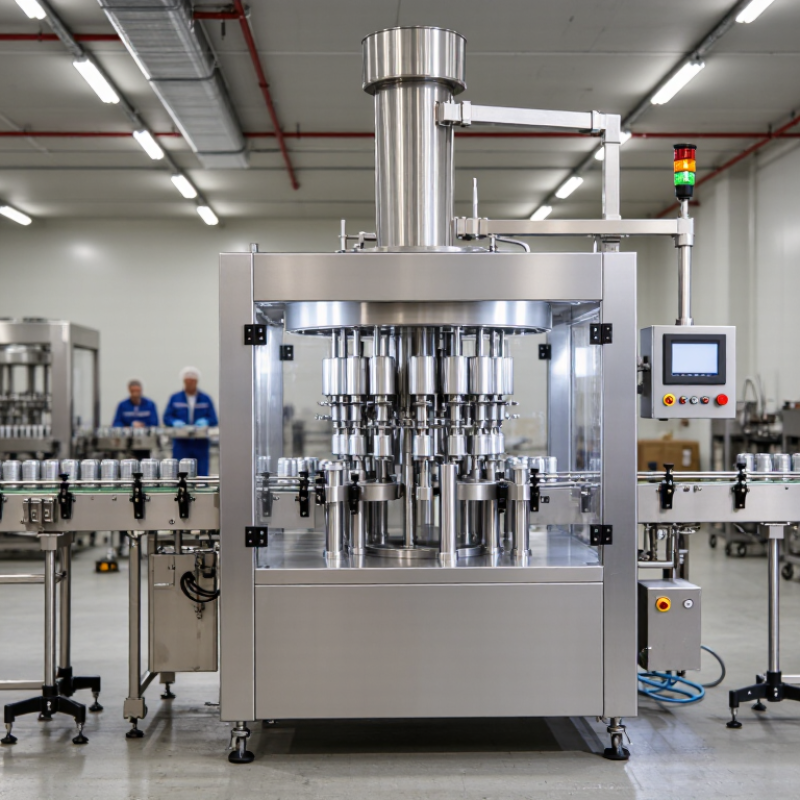
Top Can Sealing Machine Manufacturers for Global Buyers

Understanding Can Sealing Machines and Their Main Applications

Can sealing machines close metal cans by joining the lid to the can body. Many systems create a double seam, folding and compressing the metal layers into a tight closure. The seam helps protect contents from leaks, moisture, and outside contamination. It is not a substitute for suitable processing or storage conditions.

These machines serve food and beverage production, including canned vegetables, sauces, coffee, and drinks. They are also used for products such as powdered ingredients and pet food. Equipment may be manual, semi-automatic, or integrated into a high-speed line. The right choice depends on can dimensions, lid type, production volume, and the material being packed. A line handling several can sizes may need change parts and careful adjustments. Small variations can affect seam quality.

Tips: Check the seam regularly, not just at startup. Use the correct setup for each can and lid combination. Inspect sample seams for wrinkles or uneven edges, and keep clear records of adjustments. When changing materials or formats, run a controlled trial before full production. A machine can look fine while producing inconsistent seals. That part deserves attention.

Key Factors for Comparing Can Sealing Machine Manufacturers

When comparing can sealing machine manufacturers, start with the seam, not the headline speed. Ask for operating rates using your actual can diameter, lid, and product. Then request sample cans and check seam thickness, width, and countersink against the container supplier’s specifications. A fast machine is not efficient if it creates rejects or needs frequent adjustment. Not just speed.

PMMI’s 2023 State of the Industry report placed U.S. packaging machinery shipments at $10.2 billion in 2022, showing the scale of investment across the sector. That figure covers many machine types, not can sealers alone, so it should not be treated as proof of any supplier’s performance. Compare changeover time, operator access, guarding, and cleaning requirements during a practical demonstration. Watch how long a real format change takes. Brochures rarely show the awkward minutes.

Reliability also depends on service after installation. Request documented uptime assumptions, spare-parts lead times, training plans, and response procedures for a jammed seaming head. Ask which components wear first and how routine checks are recorded. A detailed answer is useful; a perfect promise deserves scrutiny. Check references from plants running similar containers and shifts, then compare the conditions behind their results. The cheapest quotation may leave important costs outside the frame.

Leading Can Sealing Machine Manufacturers for Global Buyers

Leading can sealing machine manufacturers for global buyers should offer more than fast output. They need stable seams, clear changeover instructions, and practical support across different production shifts. Grand View Research estimated the global metal cans market at USD 62.7 billion in 2022 and projected a 4.5% compound annual growth rate through 2030. This market context makes dependable sealing equipment important, though it does not measure machine sales directly. Small details matter.

Experienced manufacturers can explain how seaming rolls, chuck condition, and can dimensions affect the finished seam. Ask for a machine trial using your actual can and end sizes. Review seam inspection records, reject handling, spare-parts availability, and operator training before comparing quoted speeds. A line may run quickly in a demonstration, yet struggle after a format change. That happens. Ask suppliers to document realistic output and the conditions behind it, rather than relying on a headline capacity figure.

Tips: Request sample seams from a production trial and have them checked against your quality criteria. Confirm what support is available in your time zone, and ask how routine maintenance is taught. A simple checklist can help, but it will not replace hands-on training.

How to Assess Manufacturer Reliability and After-Sales Support

For global buyers, a can seaming machine is only as reliable as the team supporting it. Ask manufacturers to run your can size and lid type during a factory acceptance test. Watch the machine through a sustained run, not just a brief demonstration. Request seam inspection records, changeover steps, and clear operating limits. Numbers matter. Confirm whether performance figures reflect your product and production conditions.

After-sales support deserves the same scrutiny as machine specifications. Ask who handles installation, how quickly technical staff typically respond, and which spare parts are stocked locally. A useful service plan includes remote troubleshooting, practical training, and readable maintenance instructions. Check whether manuals and parts lists match the delivered machine. Speak with existing customers about downtime and service follow-through, if possible. A polished brochure cannot answer every question. No assessment is perfect, and promised response times may vary across regions. Put expectations in writing, including warranty coverage, training scope, and the process for sourcing replacement parts.

Top Can Sealing Machine Manufacturers for Global Buyers - How to Assess Manufacturer Reliability and After-Sales Support

Use this evidence-based scorecard to compare manufacturers. The benchmarks below are suggested buyer evaluation targets, not claims about any particular supplier.

Assessment Dimension Weight Evidence to Request Suggested Evaluation Benchmark Score (0–5)
Quality management 12% Current quality-management certificate, certificate scope, issuing body, and confirmation that the manufacturing site is covered. Verify the certificate directly with the issuing body. ISO 9001 is a quality-management-system standard; certification alone does not guarantee machine performance. Buyer entry
Machine acceptance testing 14% Factory Acceptance Test (FAT) procedure, test records, sample containers, product conditions, and signed acceptance criteria. Require a documented FAT using the buyer’s can and lid specifications, with agreed checks for operating speed, seam quality, safety, and reject handling. Buyer entry
Seam quality and process control 14% Seam inspection method, measurement records, applicable can-maker specifications, and details of operator training. Request agreed seam measurements and inspection limits for the specific container. Do not rely on a generic “hermetic seal” statement without test criteria. Buyer entry
Performance and uptime evidence 10% Reference installations using comparable container sizes, materials, and production conditions; operating and downtime records where available. Compare demonstrated output with the required line rate under defined conditions. Ask how speed, changeovers, and unplanned stops are measured. Buyer entry
Warranty and remedies 10% Written warranty terms covering duration, parts, labor, travel, exclusions, claim process, and remedies for unresolved defects. Ensure warranty start date, coverage, response obligations, and responsibilities are clearly stated in the purchase contract. Buyer entry
Technical support response 10% Support channels, service hours, escalation contacts, remote-diagnostic capability, and contractual response-time commitments. Set response targets appropriate to the plant’s operating schedule and time zone. Distinguish acknowledgement time from time to resolution. Buyer entry
Spare-parts availability 10% Recommended spare-parts list, part numbers, availability policy, shipping options, and support for discontinued components. Identify critical wear parts and agree replenishment arrangements. Confirm whether parts are stocked locally or shipped from another location. Buyer entry
Installation and training 8% Installation scope, commissioning plan, operator and maintenance training materials, language options, and handover checklist. Confirm who provides installation, what training is included, and which utilities, site preparations, and customer resources are required. Buyer entry
Safety and regulatory documentation 6% Risk assessment, machine safety documentation, electrical drawings, manuals, and conformity documents applicable to the destination market. Check requirements for the installation country. For example, CE marking is relevant to applicable products placed on the EU market; requirements vary by jurisdiction. Buyer entry
Documentation and traceability 6% Operation and maintenance manuals, parts diagrams, recommended maintenance schedule, software backup procedure, and revision-controlled drawings. Require documentation in agreed languages and formats, with machine-specific serial numbers and clear procedures for updates and technical changes. Buyer entry
Global service capability 10% Service locations, qualified technician coverage, travel arrangements, local partners, and examples of support in the buyer’s region. Verify service coverage for the installation site, including expected travel lead times and whether local personnel are trained and authorized. Buyer entry

Scoring guide: 0 = no evidence; 1 = limited or unverified evidence; 2 = partial evidence with notable gaps; 3 = acceptable documented evidence; 4 = strong evidence verified by the buyer; 5 = comprehensive, contractually supported evidence. Multiply each score by its weight to compare shortlisted suppliers. Confirm all technical, service, and compliance claims in writing before purchase.

Steps for Selecting a Can Sealing Machine Supplier and Model

Selecting a can sealing machine supplier starts with your actual container range. Share can diameter, height, material, end type, and target production rate. Ask how the machine handles your smallest and largest formats. A model that seals one sample well may struggle during frequent changeovers. Request a trial using your own cans and ends.

Review seam inspection methods, adjustment points, cleaning access, and operator training. Ask for documented setup procedures and a clear list of wear parts. Check service response times and spare-part availability for your location. It is tempting to compare machines by speed alone, but stable seams and manageable downtime matter too. I have seen specifications look convincing on paper; production trials can reveal awkward details.

Tips: Bring several samples, including containers near the limits of your size range. Ask the supplier to demonstrate changeover and routine adjustments. Watch closely. Note the tools required, time taken, and whether instructions are easy to follow. Keep those observations beside the quotation when comparing models.

Can Sealing Machine Selection: Common Can Diameters

Check that a supplier’s machine supports the diameters and end specifications used on your production line. Values below are nominal diameters converted from common can size codes, where the code represents inches and sixteenths of an inch. Confirm actual container dimensions with your supplier.

Top