Learn More With Our

Blog

What Are Used Rubber Tracks and Are They Worth Buying?

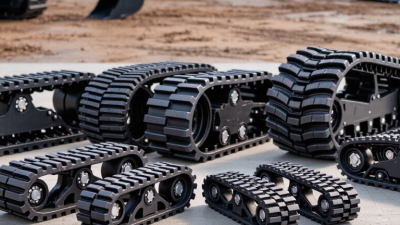
Used rubber tracks can offer a practical way to replace worn tracks without paying the price of a new set. They are previously installed tracks, often removed from compact track loaders, mini excavators, or other tracked machines. Their condition varies widely. One pair may show even wear and sound tread blocks; another may hide cracked rubber or damaged steel cords beneath a dusty surface. Looks can mislead.

The real question is not simply whether used rubber tracks are cheaper. It is whether a particular set suits your machine, workload, and remaining service needs. Check the track width, pitch, link count, and manufacturer specifications before considering a purchase. Then inspect the inner surface, tread depth, edges, and metal inserts for cuts, separation, exposed cords, or uneven wear. Ask for clear photos, operating history, and the reason for removal, but treat missing details as a reason for caution. A low price is not proof of value.

There are trade-offs. A sound used set may make sense for a lightly used machine or a short-term repair. For daily work on rough ground, unknown wear can lead to downtime and another replacement sooner than expected. No inspection can predict service life exactly. That uncertainty matters. This guide explains what used rubber tracks are, how to assess their condition, and when the savings may—or may not—justify the risk.
What Are Used Rubber Tracks and Are They Worth Buying?

What Used Rubber Tracks Are and How They Differ from New Tracks

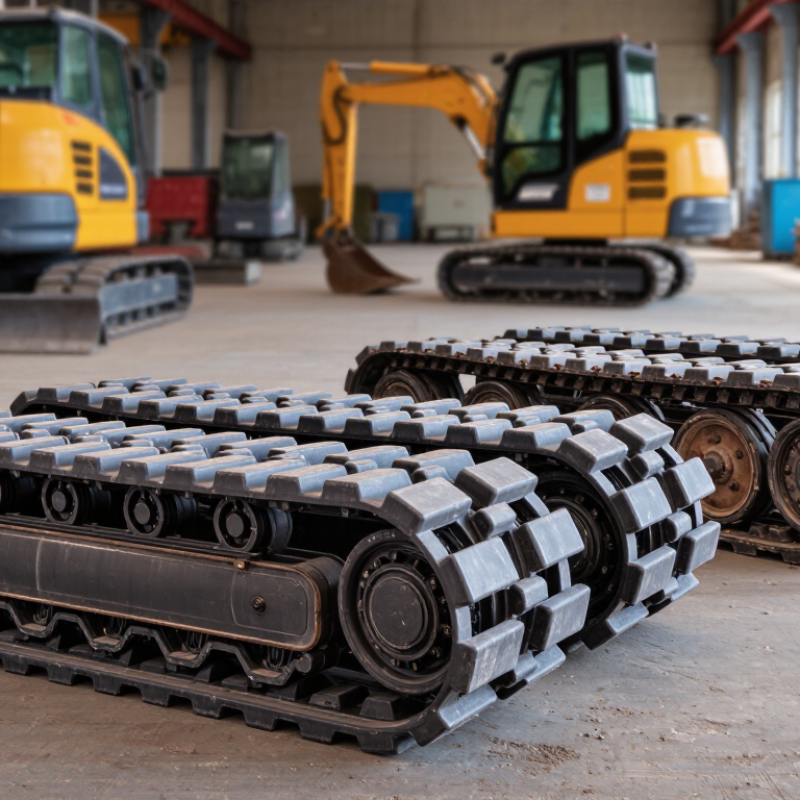
Used rubber tracks are crawler belts removed from a machine and offered for another service life. They may come from compact excavators, loaders, or other tracked equipment. Their condition varies widely. Some have seen light work on soft soil; others have crossed abrasive gravel for years. A used track is not simply a cheaper new one. It is a component with a wear history that may be incomplete.

New tracks arrive with full tread depth and no previous stretching or damage. Used tracks can show rounded lugs, exposed reinforcement, cracked rubber, or uneven wear along one edge. These details matter. A track that looks acceptable from above may have hidden damage between its inner guide lugs. Inspect the full circumference, check for cuts and missing chunks, and compare measurements with the machine’s required track size. Ask about hours, working conditions, and storage when that information is available. It may not be.

Fit is another difference. Even a sound used track can be the wrong pitch, width, or length for a particular undercarriage. Confirm the machine specifications before buying, and inspect sprockets and rollers too; worn components can shorten a replacement track’s life. Used tracks may suit short-term projects or low-hour machines, but remaining life is harder to predict. That uncertainty is easy to underestimate. A careful inspection helps, though it cannot reveal every weakness inside aged rubber.

How Track Design Works: Rubber Compounds, Steel Cords, Pitch, and Link Count

A rubber track is more than a rubber belt. Its compound must flex around the drive sprocket, resist abrasion, and stay pliable in cold weather. A harder compound may wear slowly on firm ground but transmit more vibration; softer rubber can grip well yet suffer faster on sharp demolition debris. ASTM D412 defines tensile testing for rubber, while ISO 13003 specifies fatigue testing of reinforced rubber under repeated flexing. These tests help compare materials, but they do not predict service life on every machine. Real wear depends on track tension, soil, turning habits, and maintenance.

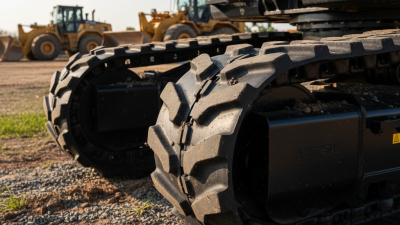
Steel cords carry the track’s tensile load, while embedded steel links transfer drive force and support the tread. Pitch is the distance between adjacent links. Link count, combined with pitch, sets the track’s loop length, so matching both matters more than judging by appearance. A mismatch can cause poor sprocket engagement, uneven wear, or installation trouble. Check the machine’s manual and measure the old track before buying; mud can hide damaged links. Used tracks deserve close inspection. Look for exposed cords, cracks at the lugs, missing links, and uneven tread depth. A track that looks acceptable from the outside may still have internal fatigue. I would not treat a seller’s remaining-life estimate as a measurement.

Common Track Sizes: 180–800 mm Widths and the Importance of Exact Fit

Used rubber tracks often come in widths from about 180 to 800 mm, but width alone does not confirm a match. Measure the existing track across its outer edge, then check its length, pitch, and number of links. Pitch is the distance between adjacent drive lugs. A tape measure can help, though worn lugs may make the reading imprecise. Small errors matter.

Fit also depends on the machine’s undercarriage. Compare the track’s inner guide pattern with the sprocket, rollers, and idler. A track that looks close may ride poorly, slip, or wear faster if its pitch or link count differs. Check the machine’s manual or have a service technician verify the measurements. Don’t guess from a photo.

Used tracks can offer value when the size is exact and the rubber remains sound. Inspect for deep cracks, exposed cords, uneven wear, and damaged guide lugs. Ask how the tracks were used and stored; the answer may be incomplete, so inspect them in person when possible. A low price is not proof of a good fit.

Common Used Rubber Track Widths

These are example nominal track widths within the commonly cited 180–800 mm range, not sales or availability data. Width alone does not confirm fit: check the machine’s required width, pitch, link count, and guide type before buying.

How to Assess Wear: Lug Height, Cracks, Exposed Cords, and Tread Condition

Used rubber tracks can offer useful service life, but their condition matters more than a low asking price. Start by measuring lug height at several points, not just the cleanest section. Compare the readings across the track. Uneven wear may point to alignment problems or hard use. A ruler helps, though a measurement alone cannot predict remaining life.

Look closely at the rubber between the lugs and along the inner surface. Fine surface checking may be cosmetic, but deep cracks can grow under load. Exposed cords are a serious warning: they indicate that the rubber has worn through its protective layer. Also inspect the tread for missing chunks, rounded edges, and polished patches. Run a gloved hand over suspicious areas. Dirt can hide damage.

Check for loose or damaged guide lugs, too. They help keep the track seated, and worn ones may lead to tracking trouble. Ask how the tracks were stored and used, then compare both sides for similar wear. Answers may be incomplete. That is worth considering. A track with moderate, even wear and no exposed cords can be a reasonable purchase when its price reflects its condition. If cracks reach the cords or several lugs are missing, replacement costs may quickly erase the savings. Have a mechanic inspect questionable damage before fitting.

What Are Used Rubber Tracks and Are They Worth Buying? — How to Assess Wear: Lug Height, Cracks, Exposed Cords, and Tread Condition

Used rubber tracks are previously operated crawler tracks offered for reuse. Their value depends on remaining service life, condition, correct fit, and price. Wear limits vary by track design and machine, so compare measurements with the applicable manufacturer specifications whenever available.

Inspection area More favorable condition Caution signs Serious concern Buying implication
Lug height Lugs are relatively tall and evenly worn; measured height is close to the specified new-track height. Lugs are noticeably rounded or uneven, or remaining height is substantially below the new-track specification. Lugs are nearly worn flat, badly chipped, or worn unevenly enough to affect traction or tracking. Measure several lugs across the track and compare with the correct specification; do not rely on appearance alone.
Cracks and rubber condition Rubber is flexible, with no significant cuts, separation, or deep cracking. Surface checking, small cuts, or localized cracking is present; inspect whether it extends into the track body. Deep or widespread cracks, chunks missing, or rubber separating from embedded components. Minor surface marks may be acceptable depending on age and price; deep cracking or separation can indicate failure risk.
Exposed cords No reinforcement cords are visible through the rubber. A cut or worn spot is close to the reinforcement layer; inspect carefully for hidden damage. Steel or fabric reinforcement cords are exposed, broken, or corroded. Exposed or damaged cords are a strong reason to reject the track unless a qualified specialist confirms a suitable repair.
Tread and drive features Tread blocks and drive lugs are intact, with no major missing sections or severe uneven wear. Some rounded edges, small chips, or uneven wear; check that the track still engages correctly with the sprocket. Missing or badly damaged drive lugs, extensive chunking, or wear that could cause poor engagement or derailment. Compare both tracks and inspect sprocket engagement; mismatched or severely worn components may shorten service life.
Track guide lugs and inner surface Guide lugs are straight and intact; the inner surface shows no major gouges or separation. Guide lugs show uneven wear or rubbing marks; investigate alignment and undercarriage wear. Guide lugs are broken, heavily damaged, or separated, or the inner surface has deep cuts. Damage here can affect tracking and may point to problems with rollers, idlers, or alignment.
Repairs and patches No repairs, or documented professional repairs with no visible separation. A repair is present but its method, age, or reliability is unknown. Patch is lifting, cracking, or located near damaged reinforcement or a drive feature. Ask for repair details and close-up photographs; treat an uncertain repair as added risk when comparing prices.
Size and machine compatibility Track dimensions, pitch, link count, and tread style match the machine’s requirements. Some specifications are unclear or seller measurements have not been verified. Track size or drive configuration does not match the machine. Confirm all fitment details before purchase; a track that cannot be installed is not a usable bargain.
Overall value Condition is documented, fit is confirmed, and the price reflects remaining usable life. Wear history or remaining life is uncertain, or installation and transport costs are significant. Major damage, poor fit, or likely near-term replacement removes the apparent savings. Used tracks can be worthwhile when condition and fit are verified and total cost is lower for the expected service life.

Inspection tip: View the full circumference of each track, check both inner and outer surfaces, compare left and right tracks, and request clear photographs of wear measurements and any damage. A visual inspection cannot guarantee remaining service life.

When Used Tracks Are Worth Buying: Compare Price, Remaining Life, and Fitment

Used rubber tracks can save money, but the sticker price tells only part of the story. Compare the asking price with the cost of a new set and the work involved in changing tracks. Then inspect the tread, guide lugs, and inner surface in good light. Look for deep cuts, exposed cords, uneven wear, and cracks near the edges. Check the track’s age and storage history when available; rubber may deteriorate even when tread looks serviceable. A quick glance is not enough.

Remaining life is difficult to estimate from appearance alone. Ask how the tracks were used, and inspect both tracks rather than just the cleaner one. Measure tread depth at several points, since wear can vary across the width. Check for missing or damaged guide lugs, which help keep the track aligned. Fitment matters just as much. Confirm the required width, pitch, and number of links against your machine’s specifications, then verify that the track suits its undercarriage. Close is not the same as correct. If details are uncertain, compare measurements with the machine manual or ask a qualified service technician to check them. A cheap track that slips, wears quickly, or cannot be fitted may cost more in downtime. I would leave some budget for unexpected wear; inspections can miss problems.

Top