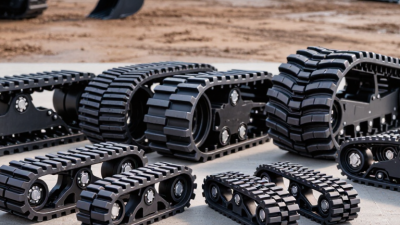
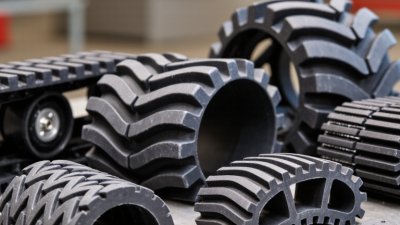
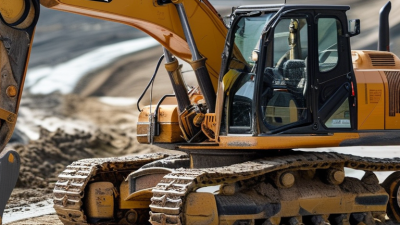
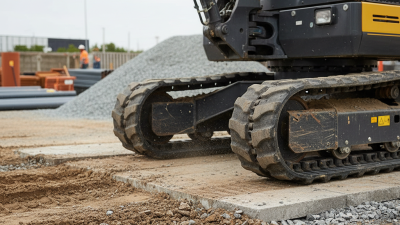
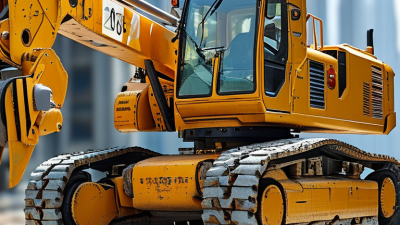
Mini excavators are doing more work in tighter spaces, from urban utility trenches to landscaped residential sites. Their rubber tracks carry the machine’s weight, protect finished surfaces, and influence daily stability. Choosing poorly can create premature wear, uneven travel, or avoidable downtime.
Industry data supports closer attention to this component. The Association of Equipment Manufacturers’ recent construction equipment reports identify compact excavators as an important equipment segment in North America. Off-Highway Research also continues to track compact equipment demand across global construction markets. These reports measure machines, not every replacement track sold. That limitation matters. Still, they show why track selection deserves more than a price comparison.
This 2026 guide examines mini excavator tracks through practical, field-based criteria. We consider rubber compound, tread pattern, carcass strength, size accuracy, operating surface, and supplier support. A 300 mm track on broken concrete faces different stress from one working on soft garden soil. Small details matter.
So does maintenance.
Manufacturer specifications remain the starting point. However, real job conditions often expose weaknesses that brochures overlook. Operators and fleet managers should compare expected service life, undercarriage compatibility, warranty terms, and replacement lead times. The best track is not always the cheapest option. It is the one that balances traction, surface protection, operating hours, and total ownership cost.
We also question common assumptions. A deeper tread may improve grip, yet it can increase vibration on hard ground. A reinforced track may last longer, but it may not suit every machine or application. This guide uses current industry evidence, manufacturer guidance, and practical reasoning to support a more reliable mini excavator tracks buying decision.

Mini excavator tracks usually fall into three groups: rubber, steel, and rubber pads fitted over steel chains. Their differences affect traction, surface damage, vibration, and service life. Rubber tracks suit landscaping, road repairs, and finished surfaces. They run quietly and leave fewer marks. Steel tracks handle rocks, demolition debris, and steep ground better. They are tougher, but can damage concrete and increase vibration. Steel chains with bolt-on rubber pads offer a compromise. However, the added hardware needs regular inspection.
A 2025 Research and Markets outlook identifies construction productivity and compact equipment demand as major growth drivers through the decade. Its forecast places the mini excavator market on a mid-single-digit annual growth path. That trend matters because more contractors are working in narrow urban spaces. Track choice becomes a daily operating decision, not a catalog detail. Field checks show rubber tracks often perform well on mixed soil, but sharp scrap can cut them quickly. I have seen operators blame poor track quality when incorrect tension caused the failure.
Choose steel for abrasive ground and frequent heavy loading. Choose rubber for lawns, asphalt, and indoor work. Check the manufacturer’s recommended width, pitch, roller pattern, and tension range. The 2024 Off-Highway Research compact equipment review also links machine utilization with replacement-part demand. That suggests a practical lesson: longer life depends on maintenance, not material alone. Clean packed mud from the undercarriage. Inspect missing lugs every shift. Small omissions become expensive.
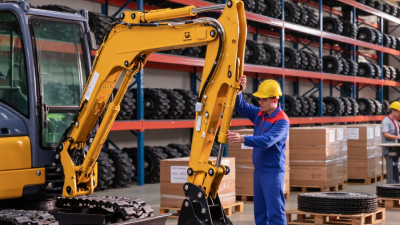
Choosing mini excavator tracks starts with accurate measurements, not a visual guess. In field inspections, I measure track width from outer edge to outer edge. Measure twice. Then I count the steel links inside the rubber belt. The final measurement is pitch, or the distance between matching lug centers. These three figures, such as 180 × 72 × 37, define the basic track size. Small errors can create costly delays.
Confirm the machine model, production year, and undercarriage layout before ordering. Some excavators use different track specifications within one model series. Check the operator manual, existing track markings, and sprocket tooth engagement. The track must sit evenly on the idler, rollers, and sprocket. A correct width can still fail if pitch or link count is wrong. Inspect the sprocket and rollers too. Worn teeth may damage a new belt quickly.
Match the track compound to the worksite. Standard rubber suits soil, landscaping, and paved access areas when sharp debris is limited. Reinforced designs help on rougher ground, but they are not indestructible. For rock, demolition debris, or frequent turning, steel tracks may offer better resistance, if the machine permits them. Keep tension within the manual’s range, usually checked with the track raised safely. I once treated tread depth as the main buying signal; that was a mistake. Fit matters. Alignment and undercarriage condition mattered more. When measurements conflict, stop and verify them with a qualified parts technician.
| Data Dimension | Typical Specification or Example | How to Identify It | Buying Verification |
|---|---|---|---|
| Track Width | Common mini-excavator widths include approximately 180, 200, 230, 250, 260, 300, and 350 mm. | Measure across the outside edges of the installed track, not across the tread blocks or the machine frame. | The replacement width should match the original specification unless the undercarriage has been designed for an approved alternative width. |
| Track Pitch | Typical rubber-track pitches for compact machines include about 52.5, 60, 65.5, 72, and 75 mm. | Measure from the center of one metal core pin to the center of the next adjacent pin on the inside of the track. | Pitch must match the drive sprocket and track-link spacing. A similar-looking width is not sufficient. |
| Number of Links | Many compact excavator tracks use approximately 30 to 55 links, depending on pitch and undercarriage length. | Count each metal core, lug section, or track-link position around the complete track. | The link count determines the track’s internal circumference together with the pitch. Count carefully because one-link differences can affect fit. |
| Internal Length | Approximate internal length = pitch × number of links. | Example: 72 mm pitch × 37 links = approximately 2,664 mm of internal pitch length. | Use this calculation as a cross-check only; the machine’s sprocket, idler, roller arrangement, and tension range must also be compatible. |
| Common Size Examples | 180 × 72 × 37; 200 × 72 × 37; 230 × 72 × 43; 250 × 72 × 47; 300 × 52.5 × 84. | These figures are normally read as width × pitch × link count, all in millimetres except the link count. | Treat these as common market examples, not universal replacements. Confirm the complete specification before ordering. |
| Machine Operating Class | Approximately 0.8–2 tonnes: narrow tracks often around 180–230 mm; approximately 2–5 tonnes: commonly around 230–300 mm; approximately 5–8 tonnes: commonly around 300–450 mm. | Check the excavator’s operating weight, undercarriage dimensions, and the original track marking. | Operating weight is only a guide. Two machines in the same weight class may use different track widths, pitches, or link counts. |
| Tread Pattern | Common patterns include block, bar, agricultural, and non-marking designs. Three-bar or block-style treads are widely used on general-purpose compact excavators. | Compare the tread shape, lug spacing, center guide, and direction of rotation with the existing track. | Select a pattern suited to the working surface. Aggressive tread designs can increase vibration and ground disturbance on finished surfaces. |
| Guide System | Rubber tracks may use a single center guide, multiple guide ribs, or a guide arrangement designed around the rollers and sprocket. | Inspect the inside of the old track and compare the guide profile with the idler, rollers, and sprocket. | The guide profile must clear the roller flanges and engage correctly with the undercarriage. Incorrect guidance can cause derailment or accelerated wear. |
| Rubber Compound | General-purpose natural or synthetic rubber compounds are common; specialty compounds may be intended for low marking, high heat, or abrasive applications. | Review the supplier’s application information and inspect the worksite conditions. | Choose a compound according to soil, rock, asphalt, concrete, temperature, and expected operating hours. |
| Steel Core Construction | Embedded steel cores transfer drive force and support the track. Core shape, spacing, and steel quality vary by construction. | Check that the core spacing, tooth engagement area, and internal guide arrangement correspond to the original track. | A track with the correct outside dimensions can still be incompatible if its internal steel-core design does not match the drive system. |
| Undercarriage Condition | Inspect sprockets, idlers, lower rollers, upper rollers, track adjusters, and frame alignment before installing new tracks. | Look for hooked sprocket teeth, seized rollers, leaking adjusters, uneven wear, and damaged guide flanges. | Worn undercarriage components can shorten the life of a new track and may cause premature derailment. |
| Track Tension | Correct sag varies by machine and undercarriage design; use the excavator service specification rather than a universal measurement. | Measure sag at the specified location with the machine supported and positioned as instructed by the service documentation. | Over-tightening increases roller, idler, sprocket, and track stress; insufficient tension increases the risk of derailment. |
| Operating Environment | Typical conditions include soil, mud, sand, gravel, demolition debris, asphalt, concrete, and landscaped surfaces. | Identify sharp objects, abrasive material, high heat, chemical exposure, and surfaces where ground marking matters. | Remove debris from the undercarriage regularly and avoid prolonged operation on surfaces that exceed the track material’s intended use. |
| Final Order Information | Provide machine model and year, track width, pitch, link count, tread pattern, guide type, and quantity required. | Photograph the track sidewall marking, inside guide, tread, and complete undercarriage where possible. | Cross-check measurements against the machine service manual or the original track specification before payment. |
Rubber, Steel, and Hybrid Tracks: Choosing the Right Material
Selecting mini excavator tracks starts with the ground, not the machine’s color or price. Rubber tracks suit lawns, paved paths, and finished surfaces because they reduce vibration and surface damage. They also provide a quieter ride. However, sharp demolition debris, hot asphalt, and repeated counter-rotation can shorten their service life.
Steel tracks handle rocky soil, scrap-filled work zones, and steep construction sites with greater resistance to cuts. Their weight can improve stability, but they may mark concrete and increase vibration. Hybrid tracks offer a useful compromise, combining a steel core with a rubber contact surface. They can work well on mixed sites, though repairs may be more specialized. There is no perfect track. I would inspect the actual work area before trusting a simple material comparison.
Tips: Check track width, tread pattern, operating weight, and manufacturer specifications before ordering. Measure both tracks, including the pitch and link count. Keep correct tension; over-tightening accelerates wear. Remove packed mud after wet work. Look for exposed cords, missing lugs, or uneven wear. Replace damaged tracks promptly. A small crack today can become a costly failure tomorrow. Also, consider seasonal conditions. Frozen ground, heat, and abrasive dust can change performance more than expected.
Rubber, steel, and hybrid tracks offer different balances of service life, surface protection, traction, and cost. The chart uses representative industry planning values for compact excavators; actual results vary with operating surface, load, maintenance, and undercarriage condition.
How to read the chart: Steel tracks generally provide the longest service life and strongest resistance to sharp or abrasive terrain, but they can damage finished surfaces and cost more. Rubber tracks are quieter and more suitable for asphalt, concrete, landscaping, and residential work. Hybrid tracks provide a compromise between durability, mobility, and surface protection.
Track quality should be judged through measurable performance, not appearance alone. The 2024 Off-Highway Research market review identifies compact excavators as a resilient equipment segment, increasing demand for durable replacement tracks. Buyers should compare rubber compound, tread depth, carcass strength, and lug spacing. A deeper tread may improve traction, but it can also increase vibration on hard surfaces.
Check the track’s measured dimensions against the excavator’s manual. A small mismatch can overload rollers and accelerate sprocket wear. The Construction Equipment Distribution Foundation reports that undercarriage components can represent a significant share of operating costs, making fitment an important financial decision. Examine steel reinforcement, guide channels, and the connection between the tread and carcass. Weak bonding often appears as edge separation after repeated turning.
Performance testing should include soft soil, gravel, and paved ground. Track temperature, slippage, noise, and visible deformation deserve attention. The 2024 EquipmentWatch Cost Recovery and Depreciation Report emphasizes maintenance history and operating conditions when evaluating equipment value; tracks deserve the same discipline. I have found that cheaper tracks sometimes work well initially. Their wear rate can still disappoint. Service records, warranty terms, and field feedback remain essential evidence. No checklist is perfect.
2026 Top Mini Excavator Tracks Buying Guide
Track installation starts with a clean, level work area and a fully supported machine. Lower the attachment, shut down the engine, and release hydraulic pressure before touching the undercarriage. Remove packed soil from the sprocket, rollers, and idler. Even small stones can distort alignment. Check the new track’s direction and confirm its size against the machine’s service manual. A track that looks correct may still have the wrong pitch. Use suitable lifting equipment, never your hands, to position the track safely. Fit one end around the sprocket, then guide it over the idler. Adjust tension according to the manufacturer’s measured sag. Over-tightening shortens component life.
Maintenance needs a simple routine. Inspect the track after each demanding shift, especially in clay, gravel, or demolition debris. Look for exposed steel, missing tread blocks, uneven wear, and cuts near the edges. Remove debris before it hardens overnight. Check tension regularly, because operating conditions can change it quickly. Keep travel speeds moderate and avoid continuous turning on concrete. Those habits seem minor. They are not.
Replace tracks when cracks reach the carcass, tread depth falls sharply, or steel cords become visible. Replace damaged sprockets and badly worn rollers at the same time. A new track on worn components may wear unevenly within weeks. I have seen this mistake increase repair costs. Still, inspection judgments can be imperfect. Photographing wear and recording operating hours creates a more reliable replacement decision. Have a qualified technician verify unusual noise, tracking drift, or repeated derailment before installation continues.