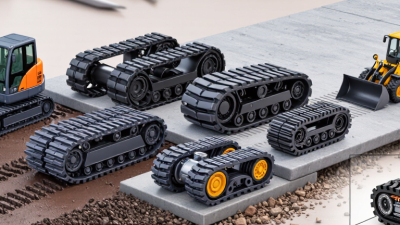
Global buyers entering 2026 face a practical question: which rubber tracks deliver dependable performance across different machines, soils, and climates? The answer is rarely the cheapest option. It depends on tread design, rubber compound, machine weight, undercarriage geometry, and replacement support.
Grand View Research reports continued growth in compact construction equipment, especially mini excavators and compact track loaders. That trend supports steady demand for replacement rubber tracks. MarketsandMarkets also identifies infrastructure development and rental fleets as important equipment-growth drivers. However, published market estimates differ noticeably. That difference deserves attention. Forecasts are useful, but field conditions decide durability.
Camso product specialist Mike Vaught has stated, “There is no universal rubber track.” This practical view remains relevant for international purchasing teams. A track used on wet clay may fail early on abrasive demolition surfaces. A 450-millimeter track may fit one excavator, but its lug pattern, pitch, and guide design still require verification. Small mistakes become expensive quickly.
This guide compares rubber tracks for global buyers using measurable criteria. These include operating hours, ground pressure, tread wear, vibration, warranty coverage, and parts availability. It also considers supplier experience in exporting and technical support after delivery. ISO 9001 certification can indicate controlled manufacturing, but it does not guarantee the best field performance. Buyers should request test records, dimensional drawings, and application references. The ideal choice may not be perfect. It should be traceable, serviceable, and suitable for the actual jobsite.
What Are the Best Rubber Tracks for Global Buyers in 2026?
Rubber tracks are not interchangeable, even when their tread patterns look similar. Excavator tracks need stable digging traction, while skid-steer tracks often require stronger sidewall resistance. Agricultural tracks prioritize flotation on wet soil. Compact dumper tracks face repeated turning stress and uneven ground.
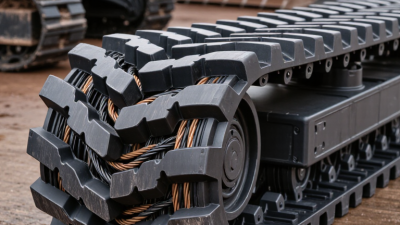
Construction also matters. A quality track usually combines natural and synthetic rubber, steel cords, and anti-ozone additives. The rubber compound affects flexibility, heat resistance, and wear. Steel cord alignment matters too. Poor alignment can cause uneven tension and early failure. Field inspections often reveal the same mistake: buyers match length and width but ignore pitch, link count, and sprocket compatibility. That shortcut can become expensive.
Tips: Check the machine manual, operating weight, average load, and working surface. Ask for tensile strength, abrasion, hardness, and temperature test data. Recognized test methods can support comparison, but there is no single universal standard for every rubber track. Quality-management certification may show process control, not guaranteed track life. Inspect tread depth and sidewall condition weekly. Small cracks matter. Clean stones from the undercarriage after muddy work. A perfect track does not exist; selecting one for real working conditions is more reliable than chasing the highest advertised lifespan.
Representative midpoint values for common rubber compound families used in track applications. Tensile strength is measured in MPa, while elongation at break is shown as a percentage. Actual performance depends on formulation, reinforcement, temperature, undercarriage alignment, load, and operating surface. Buyers should verify compound test results using standards such as ISO 37 or ASTM D412 for tensile properties and ISO 4649 or ASTM D5963 for abrasion resistance.
Choosing rubber tracks starts with the machine’s actual working conditions, not only its size. A compact excavator on paved roads needs a different tread from one digging through wet clay. Check the machine’s operating weight, track width, pitch, and recommended tension. These details prevent premature wear and unstable movement.
In field inspections, I look closely at the work surface. Turf-friendly tracks usually need lower ground pressure and smoother tread patterns. Forestry and demolition work demand stronger rubber compounds, deeper lugs, and reinforced steel cores. For rocky sites, inspect the track’s sidewalls and guide lugs carefully. Small cuts can grow quickly under heavy loads. Heat also matters. Long travel on asphalt may raise internal temperatures beyond normal expectations.
Track life depends on daily habits as much as construction quality. Remove stones from the undercarriage after muddy work. Avoid sharp turns on hard ground when possible. Incorrect tension can damage sprockets and increase vibration. A perfect selection is not always possible. I have seen suitable tracks fail because operators ignored alignment or stored machines in direct sunlight. Buyers should compare technical data, warranty terms, replacement availability, and local service support. A lower purchase price may become expensive after repeated downtime. For uncertain applications, provide the supplier with photos, machine records, and surface details before ordering.
What Are the Best Rubber Tracks for Global Buyers in 2026?
Key Factors for Comparing Rubber Track Quality and Durability
For global buyers, rubber track quality starts with the compound, not the tread pattern. A durable compound balances abrasion resistance, flexibility, and heat stability. Excessively hard rubber may resist cuts but transmit harsh vibration. Softer rubber can grip well, yet wear quickly on abrasive stone. Ask for compound data, tensile strength, elongation, and operating temperature limits. Independent test reports are more useful than polished product claims.
Inspect steel cord alignment and bonding inside the track. Cords should remain evenly spaced, with no exposed ends, bubbles, or uneven edges. A track may look perfect outside and still fail after repeated bending. Lug geometry also matters. Deep lugs improve traction in mud, while closer patterns can reduce vibration on paved surfaces. Match the track to machine weight, undercarriage design, soil, and daily hours. Incorrect tension is a common cause of premature damage.
Real durability depends on maintenance and conditions. Clean stones from the undercarriage, check tension regularly, and avoid sharp turns on hard ground when possible. Heat, oil, ultraviolet exposure, and long storage can quietly weaken rubber. Request batch traceability, dimensional checks, warranty terms, and installation guidance before ordering. Price remains important, but the cheapest option may create more downtime. Still, no specification predicts every job perfectly. A buyer who ignores local terrain may blame the track unfairly. That mistake deserves a second look.
What Are the Best Rubber Tracks for Global Buyers in 2026?
Global buyers should begin with fit, not price. Confirm width, pitch, link count, guide style, and machine model. A five-millimeter error can cause derailment or uneven wear. Market studies from Grand View Research and Mordor Intelligence project continued rubber-track growth through 2030, supported by compact excavators and agricultural machinery. However, their market estimates differ, so buyers should treat forecasts as directional, not guaranteed.
Typical export prices remain about USD 300–900 for mini-excavator tracks, USD 900–2,000 for 5–8-ton machines, and USD 2,000–5,000 or more for heavy equipment. Freight, tooling, seasonal demand, and rubber compound can change the final cost. Request tread drawings, hardness data, load testing, warranty terms, and recent production photos. A reliable supplier should explain return procedures clearly. Vague answers deserve caution.
Tips: Measure the old track twice. Ask for a sample inspection report. Compare landed cost, not unit price. Import documents commonly include a commercial invoice, packing list, certificate of origin, and accurate HS classification. Rubber tracks may fall under different customs codes by destination, so confirm classification with a licensed customs broker. Check destination rules for labeling, chemical declarations, and tire or rubber-product restrictions. Some suppliers offer attractive prices but weak documentation. I have seen this delay clearance more often than buyers expect. Leave space for inspection and unexpected port charges.
What Are the Best Rubber Tracks for Global Buyers in 2026?
Rubber track value depends on service life, not only purchase price. In field inspections, early damage often appears near the drive lugs. Sharp stones, incorrect tension, and worn sprockets accelerate this problem. Buyers should check compound quality, carcass strength, tread depth, and heat resistance before ordering. Track width must also match the machine and working surface.
Maintenance begins with a short daily inspection. Remove packed soil, wire, and gravel from the undercarriage. Check for cuts, exposed steel cords, missing lugs, and uneven wear. Measure track tension according to the machine’s service instructions. There is no safe universal setting. Excessive tension increases heat and bearing load. Loose tracks may derail during turns. This sounds simple, but crews often skip it after rain.
Replacement planning should include labor, shipping time, downtime, and sprocket condition. A lower-priced track can become expensive when it fails during a remote project. Replacing only one track may also create uneven movement and faster wear. In my experience, keeping inspection photos and operating-hour records improves purchasing decisions. The method is not perfect; operator habits and soil conditions can change results quickly. A practical lifecycle estimate should compare cost per working hour, not invoice totals. That figure becomes more credible when buyers record actual hours, repairs, and operating conditions.
| Application Profile | Typical Ground Conditions | Recommended Tread Priority | Inspection Interval | Indicative Service Life | Common Replacement Trigger | Lifecycle Cost Focus |
|---|---|---|---|---|---|---|
| Mini excavators 1–6 metric tonnes |
Mixed soil, landscaping areas, light construction | Balanced traction and low surface damage | Daily visual check; detailed check every 50 operating hours | 800–1,500 hours | Exposed cords, missing lugs, severe cracking, or repeated de-tracking | Track price, installation time, and undercarriage protection |
| Compact track loaders 2.5–5 metric tonnes |
Aggregate, demolition debris, clay, and paved surfaces | Reinforced carcass and abrasion resistance | Daily check; tension and sprocket inspection every 50 hours | 600–1,200 hours | Chunking, lug wear, carcass damage, or reduced traction | Abrasion resistance and downtime reduction |
| Agricultural compact tractors Rubber-track conversions |
Topsoil, mud, crop residue, and wet fields | Low ground pressure and self-cleaning tread | Before and after field work; detailed check every 50 hours | 1,000–2,000 hours | Tread loss, agricultural cuts, abnormal wear, or poor flotation | Soil compaction, fuel efficiency, and seasonal availability |
| Utility and municipal machines Frequent road-to-site operation |
Asphalt, concrete, gravel, and landscaped surfaces | Road-friendly tread and heat resistance | Daily check; detailed check every 25–50 hours | 700–1,400 hours | Flat spotting, heat cracking, uneven wear, or vibration | Low vibration, pavement protection, and predictable replacement |
| Forestry and land clearing | Rocks, roots, timber residue, and steep uneven ground | Heavy-duty carcass and cut resistance | Each shift; detailed inspection every 25 hours | 400–900 hours | Deep cuts, exposed steel, torn lugs, or structural separation | Structural durability and emergency downtime avoidance |
| Demolition and recycling | Sharp rubble, concrete, steel fragments, and abrasive waste | Maximum cut, puncture, and abrasion resistance | Every shift; immediate check after impact damage | 300–700 hours | Carcass penetration, broken guide lugs, or visible steel-cord damage | Downtime cost and damage resistance outweigh initial purchase price |