What is the Best Type of Excavator Tracks for Your Needs?
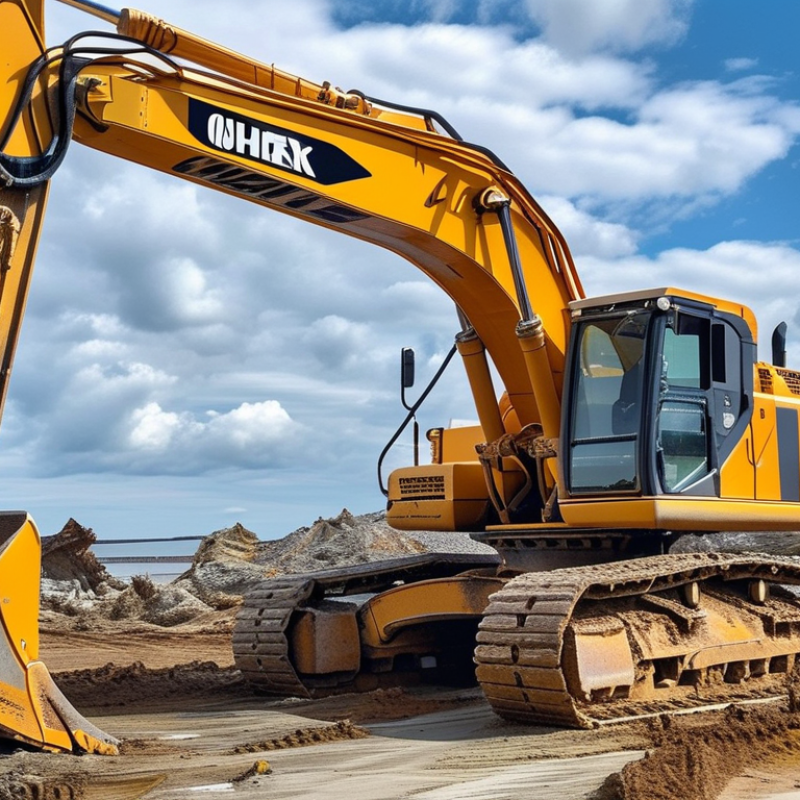
Choosing the right type of excavator tracks is crucial for optimal performance. Different projects require different solutions. Understanding your specific needs will help you make an informed decision.
Excavator tracks play a significant role in the machine’s mobility and stability. They affect how well your excavator navigates diverse terrains. Whether you face muddy, rocky, or uneven surfaces, the right tracks will enhance efficiency. However, selecting tracks isn’t always straightforward.
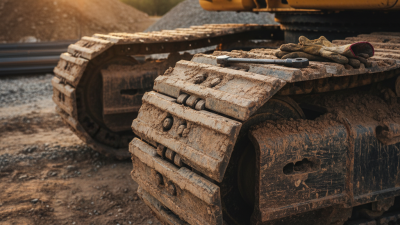
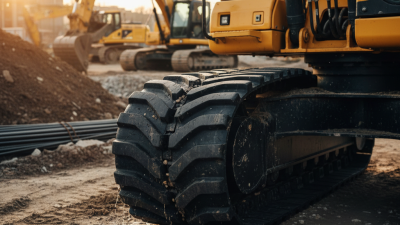
Factors such as weight, size, and track material come into play. Rubber tracks are lighter and quieter, making them ideal for urban areas. Steel tracks, while heavier, provide superior traction and durability. Misjudging your needs can lead to increased maintenance costs. Evaluate your work environment carefully before deciding. Making a thoughtful choice now can save you time and trouble later on.
Types of Excavator Tracks: A Comprehensive Overview
When choosing excavator tracks, understanding the different types available is essential. Rubber tracks are popular for their flexibility and low ground pressure. They offer good traction on soft surfaces such as mud or sand. However, they may wear out faster in rocky or abrasive conditions. Steel tracks, on the other hand, provide durability and strength. They are ideal for heavy-duty work and rough terrains. Yet, their weight can lead to soil compaction, which is not always desirable.
It's also important to consider the length and width of the tracks. Longer tracks can distribute loads better, reducing ground pressure. Wider tracks improve stability, especially on uneven ground. There is a trade-off, though. Using wider tracks can limit maneuverability in tight spaces. Regular maintenance of tracks is crucial to their performance and longevity. Neglecting wear and tear can lead to costly repairs.
Each type of excavator track has its pros and cons. Evaluating the specific conditions and requirements of a job is vital. Real-world experiences vary significantly. Understanding these details can lead to smarter decisions in track selection. Ultimately, investing time in research can save money in the long run.
Understanding the Importance of Excavator Track Material
When choosing excavator tracks, material plays a critical role in performance. Steel tracks are known for their strength, making them ideal for rocky terrains. Rubber tracks, on the other hand, provide better traction on soft soil. A recent report by the Construction Equipment Manufacturers Association estimates that the choice of track material can impact equipment longevity by up to 30%.
Numerous factors influence the decision on the best excavator track material. For instance, soggy job sites could mean rubber tracks are more effective, while abrasive environments may call for steel. An analysis by the Heavy Equipment Research Department highlighted that improper track material selection leads to decreased operational efficiency. Inadequate experiences can result in higher maintenance costs over time.
Understanding material properties is key. Steel tracks withstand heavy loads and sharp objects but can be heavier and less flexible. Rubber tracks are lighter and quieter but might wear faster in heavy applications. Consider the project's specific demands to select the best fit. Balancing requirements with the right material is paramount to ensure optimal performance and reduced downtime. Inspecting tracks regularly is essential to maintaining equipment health and safety.
What is the Best Type of Excavator Tracks for Your Needs?
| Track Type |
Material |
Advantages |
Disadvantages |
Best Applications |
| Rubber Tracks |
Rubber |
Low ground pressure, good traction on soft surfaces |
Less durable on hard surfaces, prone to damage from sharp objects |
Landscaping, soft earth work |
| Steel Tracks |
Steel |
Highly durable, resistant to punctures |
Heavy and may damage pavement or soft surfaces |
Construction on rocky or hard surfaces |
| Composite Tracks |
Composite Material |
Good balance of durability and weight |
More expensive than rubber tracks |
Versatile applications across various terrains |
| Pads (Bolt-On) |
Rubber/Plastic |
Easy to install and change, preserves track integrity |
Not as effective in extreme terrain |
Paving or urban environments |
Pros and Cons of Rubber vs. Steel Tracks for Excavators
When choosing excavator tracks, understanding the pros and cons of rubber and steel tracks is crucial. Rubber tracks are favored for their versatility. They are quieter, which can be an advantage in urban settings. Their traction on softer ground also makes them a popular choice. However, they wear out faster on rough surfaces and can be more susceptible to punctures.
Steel tracks, on the other hand, excel in durability. They withstand rugged conditions and have a longer lifespan in harsh environments. Their ability to distribute weight helps in stability on uneven terrain. Yet, steel can be noisy and may cause damage to paved surfaces. They can also be harder on the machine, which might lead to increased maintenance needs over time.
It's important to assess your specific needs before making a decision. Factors like job site conditions, noise regulations, and equipment longevity should guide your choice. Consider the trade-offs involved. Each type has its strengths and weaknesses, and the ideal track will depend on your unique application.
Factors to Consider When Choosing Excavator Tracks
When it comes to choosing the best type of excavator tracks, various factors play a crucial role. The terrain you will work on significantly influences your decision.
Soft, muddy ground may require wide tracks for better stability. A recent report by the National Institute for Occupational Safety and Health states that proper track selection can enhance productivity by up to 30%. This data underlines the importance of matching your equipment to the job site conditions.
Weight and load capacity are also key considerations. A heavier excavator may need tracks designed to manage that weight efficiently. Failure to select appropriate tracks can lead to wear and tear, ultimately increasing operational costs. For instance, industry studies show that using the wrong type of tracks can reduce equipment lifespan by nearly 20%.
Evaluate the types of tasks your excavator will handle. If it involves high-speed operations, consider tracks made from robust materials. They provide better durability and reduce maintenance needs. Choose wisely to avoid frequent downtime and disruptions. An informed decision on track selection can make a substantial difference in efficiency and overall project success.
Maintenance Tips for Maximizing the Lifespan of Excavator Tracks
Proper maintenance of an excavator's tracks can significantly extend their lifespan. Regular inspections are vital. Check for signs of wear, loose bolts, or damage. This can prevent larger issues down the line. Clean the tracks frequently to remove dirt and debris. This simple task can prevent premature wear.
It's essential to maintain proper tension on the tracks. Too much tension can cause significant stress. Too little tension can lead to excessive wear. Use the manufacturer's recommended tension settings as a guideline. Keep an eye on the alignment as well. Misalignment can lead to uneven wear, resulting in costly repairs.
Store your excavator properly to protect the tracks. Freezing temperatures and damp conditions can cause damage. If possible, use a cover to shield the tracks from debris and moisture. Ensure that the tracks are dry before parking. Over time, consistent care can make a difference. Small efforts can lead to longer-lasting equipment.
Excavator Tracks Longevity by Type