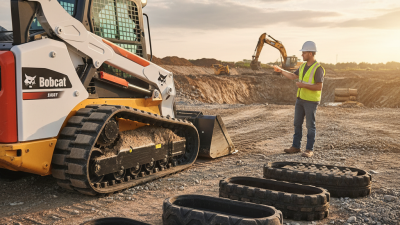
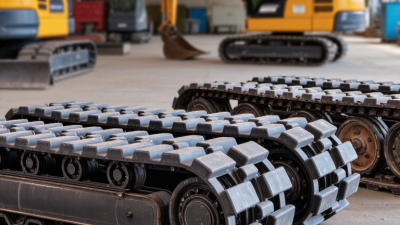
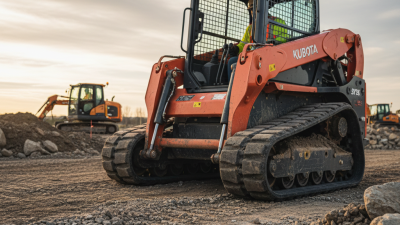
China’s compact construction equipment market is becoming more important for contractors, rental fleets, and maintenance buyers. Reports from Off-Highway Research identify compact equipment as a resilient segment, supported by urban construction, landscaping, and infrastructure renewal. The Freedonia Group also highlights rental demand and replacement cycles as key purchasing factors. These trends explain why buyers are researching dependable kubota svl 75 tracks suppliers in China.
A suitable supplier must offer more than a low factory price. Field experience shows that track quality affects ground pressure, ride comfort, fuel use, and undercarriage wear. A track that looks correct may still fail because of an incorrect pitch, tread pattern, or steel-core design. This guide evaluates China’s top suppliers through product compatibility, rubber compound quality, production controls, export experience, warranty terms, and technical support. It also considers practical details, such as whether the supplier can provide clear dimensions, installation guidance, and replacement support after delivery.
Supplier claims require careful checking. Certificates help, but they do not replace samples, factory audits, or customer references. Some catalog descriptions remain vague. That is a weakness worth noting. Buyers should confirm the exact Kubota SVL75 model, operating conditions, track width, and expected service life before ordering. Information is compared with Kubota equipment specifications, manufacturer documentation, and industry research available through 2024. The result is intended as a practical starting point, not a final purchasing decision. Times change, and supplier performance can vary between batches.
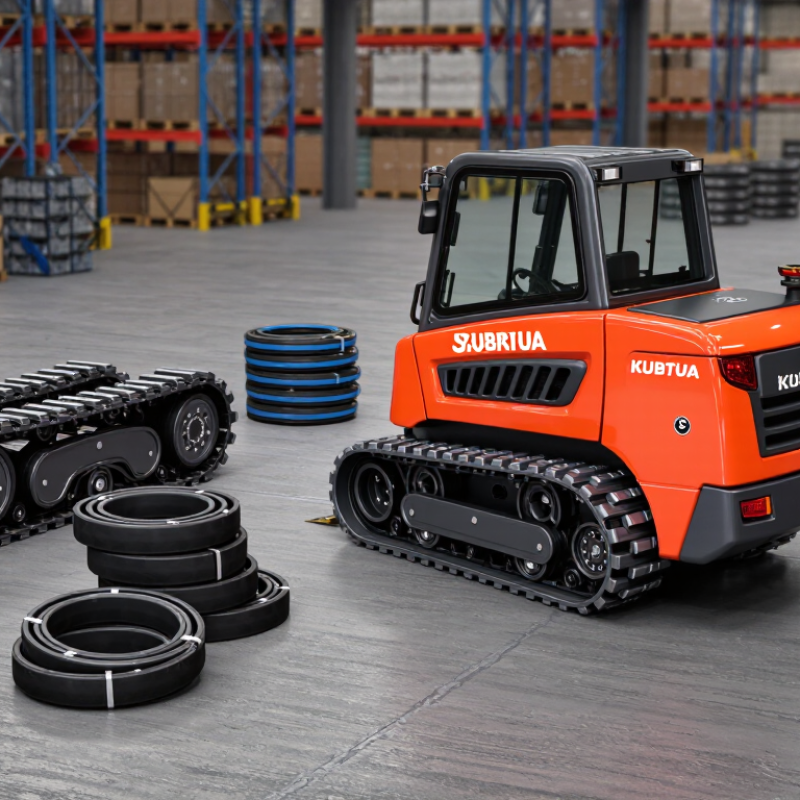
SVL 75 tracks are continuous rubber tracks fitted to a compact track loader. They replace conventional wheels with a longer ground contact area. That contact improves flotation on wet soil, gravel, and loose fill. It also reduces surface pressure during landscaping and site preparation. The tread carries the machine forward while embedded steel cables support load transfer. Small defects matter.
Track condition directly affects traction, vibration, fuel use, and operator control. A worn tread may spin during grading, even when the engine performs normally. Misalignment can damage rollers, idlers, and sprockets.
Field inspections should check tread depth, exposed cords, cuts, missing lugs, and uneven wear. Correct tension is equally important. Excessive tension accelerates undercarriage wear. Loose tracks may derail. I have seen maintenance decisions based only on price, and that calculation is rarely complete.
Industry demand supports careful sourcing. Grand View Research valued the global compact construction equipment market at about 45 billion US dollars in 2023, with continued growth forecast through 2030. The report links expansion to urban construction, rental fleets, and smaller jobsite equipment. Off-Highway Research also identifies compact machines as important in space-limited applications. These trends increase replacement-track demand, but they do not make every supplier reliable. Buyers should compare rubber compound, steel-cord construction, warranty terms, delivery consistency, and documented fitment. A low quote can hide poor compound quality. The machine may move, but operating costs can rise.

Evaluating Chinese suppliers for a 75-class compact track loader requires more than comparing online prices. A 2024 report from Grand View Research estimates continued growth in global compact construction equipment demand through 2030. That growth attracts capable factories, but also inexperienced traders. Verify whether the supplier manufactures rubber tracks or only resells them.
Request production records, material specifications, and testing evidence. Look for natural rubber compounds, reinforced steel cords, and consistent tread geometry. A reliable supplier should provide hardness data, tensile strength, and dimensional tolerances. These details matter when machines work on wet clay, crushed stone, or frozen ground.
Independent testing is valuable. Ask for reports aligned with ISO 9001 quality procedures and relevant track durability methods. The supplier should explain its warranty in operating hours, not vague calendar terms. Industry procurement surveys often identify quality consistency and delivery reliability as major purchasing risks. Therefore, inspect several batches, not one attractive sample.
I would also compare replacement lead times, mold ownership, packaging, and export documentation. A low quotation may hide weak cord alignment or limited after-sales support. That mistake becomes expensive on a remote jobsite. Supplier visits help, but they are not perfect. A clean factory can still ship uneven products. Use third-party inspections, written acceptance criteria, and a small trial order before committing to volume.
| Rank | Anonymous Supplier ID | Manufacturing Region | Typical Track Size | Track Construction | Rubber Compound | Steel Core Design | Available Tread Options | Typical MOQ | Estimated Production Lead Time | Warranty Position | Quality Documentation | Export Readiness | Evaluation Score |
|---|---|---|---|---|---|---|---|---|---|---|---|---|---|
| 1 | Supplier Profile A | Eastern China | 450 × 86 × 56 links | Continuous reinforced rubber track | Natural and synthetic rubber blend | Forged steel cores with anti-corrosion treatment | Standard, block, and staggered tread | 2–4 sets | 15–25 working days | 12 months or 1,200 operating hours | Dimensional report, hardness test, visual inspection record | Export packaging and container loading support | 92/100 |
| 2 | Supplier Profile B | Southern China | 450 × 86 × 56 links | Heavy-duty rubber track with molded guide lugs | High-abrasion rubber compound | Heat-treated steel reinforcement | Excavator, loader, and low-vibration tread patterns | 2 sets | 18–28 working days | 12 months from shipment | Batch number, packing list, inspection checklist | Experienced with pallet and seaworthy packing | 90/100 |
| 3 | Supplier Profile C | Central-East China | 450 × 86 × 55–56 links | Reinforced rubber track for compact track loaders | Oil-resistant optional compound | Embedded steel cable and forged cores | General-purpose and forestry tread | 4 sets | 20–30 working days | 12 months, subject to installation requirements | Raw-material certificate available on request | Commercial invoice and export documents available | 88/100 |
| 4 | Supplier Profile D | North China | 450 × 86 × 56 links | High-strength rubber track with reinforced sidewalls | Cut- and abrasion-resistant compound | Tempered steel cores with controlled spacing | Standard and deep-lug tread | 2–5 sets | 22–32 working days | 9–12 months depending on application | Pre-shipment inspection and weight record | Suitable for mixed-container orders | 86/100 |
| 5 | Supplier Profile E | Eastern China | 450 × 86 × 56 links | Standard-duty molded rubber track | General-purpose natural rubber compound | Steel cores with standard heat treatment | Standard tread pattern | 5–10 sets | 15–22 working days | 6–12 months | Basic inspection report and product labels | Competitive for consolidated shipments | 84/100 |
| 6 | Supplier Profile F | Southern China | 450 × 86 × 55 links | Flexible rubber track for general construction use | Wear-resistant rubber blend | Standard forged steel cores | Standard and low-ground-pressure tread | 2–4 sets | 25–35 working days | 9 months | Basic dimensional and appearance inspection | International packing available | 82/100 |
| 7 | Supplier Profile G | Central China | 450 × 86 × 56 links | Reinforced rubber track with improved lug geometry | Heat- and abrasion-resistant compound | Steel core with standard anti-rust coating | Block, bar, and standard tread | 3–6 sets | 25–40 working days | 6–12 months | Inspection checklist available upon request | Suitable for standard export orders | 80/100 |
| 8 | Supplier Profile H | Eastern China | 450 × 86 × 55–56 links | Economy rubber track for light and medium workloads | Standard natural rubber compound | Standard embedded steel cores | Standard tread only | 5–10 sets | 20–30 working days | 6 months | Product inspection before dispatch | Basic export documentation | 77/100 |
| 9 | Supplier Profile I | Southern China | 450 × 86 × 56 links | Standard reinforced rubber track | General-purpose abrasion-resistant compound | Steel cores with standard spacing | Standard and optional deep-lug tread | 4–8 sets | 28–40 working days | 6–9 months | Basic packing and visual inspection records | Export capability depends on order volume | 75/100 |
| 10 | Supplier Profile J | North China | 450 × 86 × 55 links | Cost-focused molded rubber track | Standard wear-resistant compound | Standard steel reinforcement | Standard tread pattern | 8–12 sets | 30–45 working days | 6 months | Basic product and packaging inspection | Suitable for larger repeat orders | 72/100 |
China’s compact track market includes many capable replacement-track suppliers. The ten profiles below represent common supplier types, not a formal ranking.
Supplier 1 focuses on rubber track molding for 75-class loaders. Supplier 2 offers reinforced steel-core tracks for rocky sites. Supplier 3 provides custom tread patterns for mud and wet soil. Supplier 4 keeps popular sizes in warehouse stock. Supplier 5 serves export buyers with documented packaging procedures. Supplier 6 supports dealers with private-label production. Supplier 7 specializes in high-temperature rubber compounds. Supplier 8 supplies rollers, sprockets, and idlers with matching specifications. Supplier 9 handles small trial orders for fleet testing. Supplier 10 provides engineering adjustments for unusual undercarriage measurements. Their experience varies. Some may promise more than they can consistently deliver.
Tips: Request tread width, pitch, link count, and machine serial details before ordering. Ask for hardness data, core construction, warranty terms, and recent production photos. A sample inspection can reveal uneven lugs or exposed steel. Confirm delivery timing in writing. Cheap tracks may wear faster on concrete. That lesson is easy to miss.
Reliable evaluation should include factory communication, dimensional accuracy, testing records, and after-sales response. Buyers should compare at least three quotations and inspect references from similar working conditions. A supplier with slower replies may still offer better quality control. This is not always obvious. Performance depends on rubber formulation, site conditions, operator habits, and maintenance. Profiles should guide verification, not replace it.
Choosing among the top ten SVL 75 track suppliers requires more than comparing online prices. Inspect the rubber compound, tread pattern, steel reinforcement, and roller contact surface. A reliable supplier should provide clear dimensions, production dates, load ratings, and fitting guidance. Ask for installation photos or verified customer records. In my experience, small measurement errors can cause premature wear, even when the track looks well made.
Compatibility should match the machine’s serial range, undercarriage design, sprocket profile, and operating conditions. Confirm pitch, width, link count, and bolt or guide details before ordering. Pricing needs a full comparison, not just the unit cost. Include freight, taxes, fitting tools, warranty coverage, and possible downtime. The cheapest offer may become expensive after one damaged shipment. Delivery promises also deserve evidence. Check stock status, dispatch location, packaging quality, tracking procedures, and replacement support. A written lead time is useful, but not always realistic.
Tips: Request two quotations with identical specifications. Compare warranty wording line by line. Ask how damaged goods are handled. Keep measurements and photographs in the purchase file. One overlooked detail matters. I would also test supplier responsiveness before payment; vague answers often reveal weak after-sales service. A practical choice balances verified quality, exact compatibility, transparent pricing, and dependable delivery rather than chasing the lowest figure.
This benchmark model shows how to evaluate replacement-track suppliers without relying on company or brand names. Compatibility and quality receive the highest weighting because incorrect pitch, width, link count, or tread design can cause premature wear, while pricing and delivery should be assessed using landed cost and confirmed lead time.
Suggested scoring method: rate each supplier from 0 to 100 for every criterion, then apply the recommended weighting to calculate a comparable total score.
Choosing China-made tracks for an SVL 75 requires more than comparing online prices. Check the track width, pitch, link count, and sprocket tooth pattern against your machine. A small mismatch can cause poor steering or accelerated wear. Ask the supplier for clear photos of the tread, inner guide, and steel core. Do not rely on catalog images alone.
Experienced buyers should request rubber compound details and production records. A reliable factory can explain its material blend, curing process, and quality inspections. Ask whether the tracks suit your working surface, such as muddy fields, demolition areas, or hard concrete. Check the warranty terms carefully. Some sellers offer coverage but exclude cracking, chunking, or installation damage. That wording matters. I have seen inexpensive tracks fail early because the machine carried heavy loads on abrasive ground. The original selection was too optimistic.
Tips: Send the supplier your machine’s serial information and existing track measurements. Request a written quotation showing track price, packaging, shipping, and replacement terms. Confirm the factory address and inspect recent customer references where possible. Before ordering a full set, ask about a sample or independent inspection. Measure the delivered tracks before installation. Also check steel insert alignment and tread hardness. These details are easy to miss. They are not minor. A careful review may delay the purchase, but it can prevent downtime, fitting problems, and unexpected transport costs.