Learn More With Our

Blog

2026 Top Heavy Equipment Tracks for Global Buyers

The 2026 market for heavy equipment tracks offers more choice, but more choice does not guarantee a better fit. Buyers must weigh machine compatibility, undercarriage design, working surface, and expected service life. A compact excavator turning across wet clay needs different traction from a dozer working over sharp rock. The difference shows up in the details: tread pattern, rubber compound, steel-link design, and the exact machine specifications.

Equipment historian Keith Haddock has written extensively about earthmoving machinery. Rather than inventing a direct quotation for him, this guide applies a clear buying principle: “Match the track to the machine, then to the ground.” That practical rule helps frame the comparisons ahead. Buyers should verify dimensions and manufacturer guidance, then compare wear resistance, ride quality, maintenance needs, and supplier support. A low purchase price can look attractive. It may not stay attractive after repeated downtime.

This overview examines leading track options for global buyers in 2026, including rubber tracks for compact equipment and steel tracks for demanding terrain. Regional availability and product specifications can change, so confirm current details with the manufacturer or an authorized dealer. Small checks matter. So does honest uncertainty: published service-life claims rarely reflect every jobsite. The best choice is not always the most expensive, or the most familiar. It is the one that fits the machine, the ground, and the work ahead.
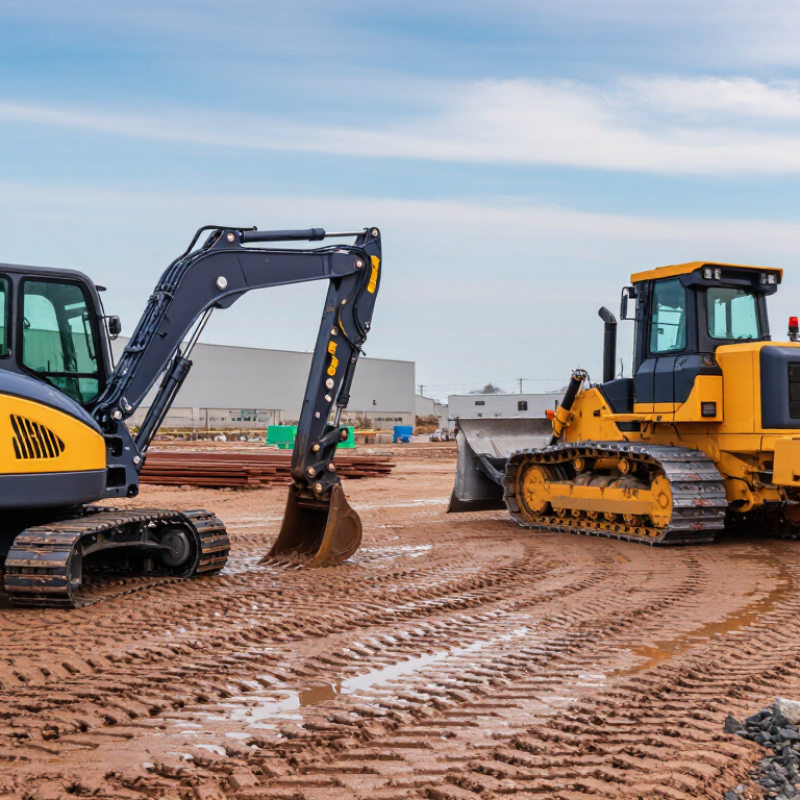
2026 Top Heavy Equipment Tracks for Global Buyers

Heavy Equipment Tracks: Purpose, Structure, and Operating Principles

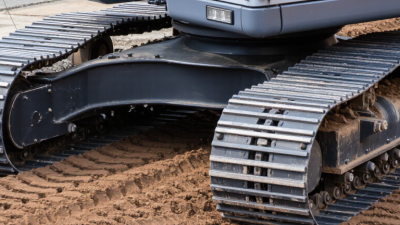
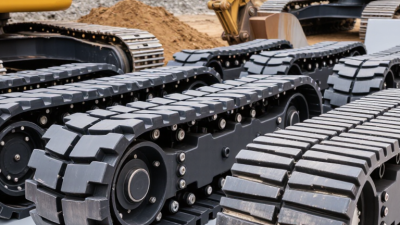
Heavy equipment tracks support a machine’s weight and create traction on soil, gravel, and uneven ground. Their wider contact area can reduce ground pressure compared with tires. That matters on soft sites. A typical track assembly includes a flexible belt or linked metal shoes, a tread surface, guide features, rollers, idlers, and a drive sprocket. Rubber tracks often suit lighter machines and surfaces where reduced ground marking is useful. Steel tracks can handle rougher, abrasive work, but may damage finished pavement.

Power from the machine’s drive system turns the sprocket, which engages the track and moves it around the rollers and idler. The tread grips the ground as the machine advances or turns. Correct tension and alignment help the track stay seated and wear evenly. Too much tension can increase strain on components; too little may allow the track to slip off. Dust, packed mud, and small stones can hide early wear. A quick glance is useful, but it is not a complete inspection.

Tips: Check for missing tread sections, damaged links, uneven wear, and debris near the rollers. Compare both sides of the machine. If one track looks tighter or more worn, investigate before a long shift. Measurements matter. Follow the equipment maker’s service guidance, since track tension methods differ by machine. One detail is easy to overlook: operating habits also shape track life. Turning sharply on hard ground can accelerate wear.
Major Track Types for Excavators, Dozers, and Other Machines

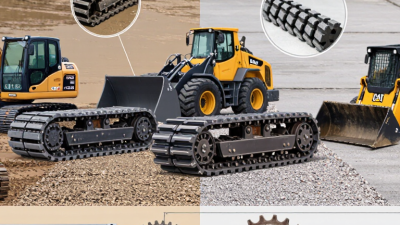
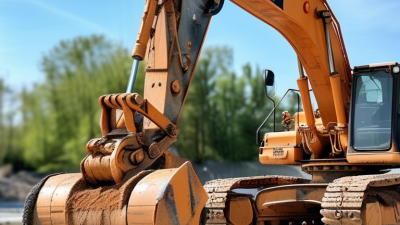
For excavators, track choice starts with the ground. Rubber tracks suit compact excavators working on pavement or finished landscaping, where steel can cause costly surface damage. Steel tracks offer better resistance to cuts and abrasion on rocky sites. On dozers, wider shoes can spread machine weight across soft soil; narrower shoes may improve control on firmer ground. More width is not always better.

The machine matters, too. Crawler loaders need tracks that balance traction with frequent turning, while forestry machines face sharp debris and uneven terrain. Agricultural rubber belts are designed for field travel and reduced soil compaction. Grand View Research valued the global construction equipment market at US$161.5 billion in 2023 and forecast 6.3% annual growth through 2030. That market estimate signals broad demand, but it does not determine the right track for any one fleet. ISO 6165:2022 classifies earth-moving machine types; buyers still need to match track design to site conditions and operating hours.

Tip: Check the machine manual for track dimensions and tension limits. Compare tread wear after a typical work shift. Mud packed between lugs? The pattern may not suit the site. I would also review replacement access before ordering; that detail is easy to overlook.

2026 Top Heavy Equipment Tracks for Global Buyers – Major Track Types for Excavators, Dozers, and Other Machines

Track Type Common Equipment Typical Construction Typical Shoe or Track Width Best-Suited Conditions Key Considerations
Rubber tracks Mini and compact excavators, compact track loaders, small carriers Reinforced rubber belt with embedded steel cords and internal metal links About 180–800 mm, depending on machine class and configuration Urban work, landscaping, paved surfaces, and jobs where reduced ground disturbance is important Generally quieter and gentler on finished surfaces than steel tracks. Avoid sharp debris and prolonged travel on abrasive surfaces where possible.
Standard steel tracks Excavators, crawler loaders, and crawler tractors Linked steel track chain with bolted track shoes Commonly about 300–900 mm on excavators; widths vary by machine General earthmoving, construction sites, and mixed soil conditions Durable and repairable, but can damage pavement. Match shoe width to the machine’s approved configuration and ground conditions.
Single-grouser steel shoes Dozers and some crawler tractors Steel shoe with one raised grouser across its face Often about 400–1,000 mm or wider on larger crawler machines General dozing, earthmoving, and applications needing a balance of traction and maneuverability Grouser height and shoe width affect traction, ground pressure, and turning behavior. Select according to the machine manual and terrain.
Double-grouser steel shoes Dozers and crawler machines used for grading or finish work Steel shoe with two raised grousers Varies by machine; typically offered in widths suited to the machine’s undercarriage Hard, firm surfaces and work requiring smoother steering or finer control Usually provides less bite than comparable single-grouser shoes in soft ground. Confirm compatibility before changing shoe style.
Triple-grouser steel shoes Excavators and many general-purpose crawler machines Steel shoe with three lower-profile grousers Commonly about 300–900 mm for excavators, with machine-specific options General construction, excavation, and mixed ground where traction and maneuverability are both needed A widely used general-purpose shoe style. Width and grouser profile should be selected for the machine’s operating conditions.
Swamp or extra-wide shoes Low-ground-pressure dozers, excavators, and marsh or wetland machines Wider steel shoes designed to spread machine weight over a larger contact area Wider than standard shoes; exact sizes are specific to the undercarriage Soft, wet, or low-bearing-capacity ground Can reduce ground pressure, but extra width may increase stress on undercarriage components on firm ground. Use only within the machine’s approved limits.
Asphalt or flat shoes Excavators and crawler machines working on finished or paved surfaces Steel shoes with a flatter contact profile, sometimes used with protective pads Machine-specific; selected to fit the existing track chain Paved areas and other surfaces where minimizing surface marking is important Offers less bite than aggressive grouser shoes. Surface protection depends on shoe design, pads, machine weight, and site conditions.
Segmented rubber pads Steel-tracked excavators and other compatible crawler machines Rubber pads attached to steel track shoes; available in several mounting styles Chosen to match the existing steel shoe and track system Road crossings, concrete work, and mixed sites requiring steel-track durability with added surface protection Check mounting style, shoe dimensions, and fasteners. Pads can wear faster than steel shoes on abrasive ground.
Continuous rubber track belts Compact track loaders and selected compact equipment Endless reinforced rubber belt fitted around the machine’s undercarriage Machine-specific width, pitch, and link configuration Soft ground, landscaping, and compact-site work where flotation and surface protection are useful Track length, pitch, guide design, and belt width must match the undercarriage. Inspect tension and alignment regularly.

Selection note: Dimensions are indicative industry ranges, not universal fitment specifications. Track pitch, link count, shoe width, machine weight, undercarriage design, and the manufacturer’s approved configuration must be checked before ordering.

Track Materials, Tread Patterns, and Key Performance Differences

Rubber tracks usually combine a resilient rubber compound, embedded steel cords, and fabric layers. The compound cushions vibration and resists cuts, while steel cords help control stretch. Harder compounds may last longer on abrasive ground, but can feel less forgiving on rocky surfaces. ISO 4649 provides a standardized method for comparing rubber abrasion; it does not predict service life on every machine. Tread shape matters, too. A broad, open lug can shed sticky clay, while closer, smaller blocks may suit firmer ground. In the field, packed mud between lugs can erase that advantage quickly. Small details matter.

Track material choices also sit within a large, changing supply chain. The International Rubber Study Group’s 2024 World Rubber Industry Outlook reports global natural-rubber production of roughly 14.5 million tonnes in 2023. That figure describes supply, not track quality or wear performance. Buyers should compare the same machine class, track width, and working surface before treating specifications as equivalent. Ask for abrasion-test results and inspect cord construction, lug depth, and the track’s inner guide area. One limitation: published test values rarely capture sharp debris, operator turns, or poor tension adjustment. Those conditions can shorten track life, even when the compound looks suitable on paper.

How to Match Tracks to Terrain, Machine, and Workload

2026 Top Heavy Equipment Tracks for Global Buyers

How to Match Tracks to Terrain, Machine, and Workload

Track choice should begin with the ground, not the price tag. Soft soil and wet clay usually call for wider tracks that spread machine weight and reduce sinking. Rocky surfaces demand durable construction and a tread pattern suited to sharp contact. On mixed terrain, consider how often the machine moves between surfaces. Small details matter.

Tips: Confirm track width, pitch, link count, and frame compatibility against the machine’s specifications. Check the undercarriage for worn sprockets or rollers before fitting new tracks. A mismatch can cause uneven wear, even when the track looks right.

Then match track design to the workload. Frequent turns, heavy loads, and long operating hours can increase wear. Choose a setup that fits the machine’s rated capacity and the job’s daily demands, rather than selecting the most aggressive tread by default. It may improve grip but create unnecessary ground disturbance.

One detail is easy to overlook: operator habits affect track life, too. Sharp turns on hard ground can wear edges quickly. Track selection is not always perfect on paper; site conditions change, so inspect wear regularly and adjust your choice when the work changes.

Global Buying Factors: Compatibility, Quality, Shipping, and Support

For global buyers, track compatibility starts with exact machine details, not a visual match. Confirm track width, pitch, link count, roller arrangement, and the machine’s make, model, and serial number. A small mismatch can cause poor alignment and faster wear. Small mismatch, big downtime. Ask the supplier to verify dimensions against the equipment manual before production.

Quality checks should cover rubber compound or steel grade, joint construction, and inspection records. Request clear photos, measured dimensions, and written warranty terms. Support matters after delivery, too: confirm replacement-part availability, response times, and who handles fitment questions across time zones. Shipping deserves equal attention. UNCTAD’s Review of Maritime Transport 2024 notes that maritime transport carries over 80% of world trade by volume. The World Bank’s 2023 Logistics Performance Index compares logistics across 139 economies, a reminder that delivery reliability varies by route and market. Build transit buffers into project schedules, and confirm packing, tracking, and destination-port responsibilities in writing.

Tips: Measure the old track before removal, then compare every key dimension with the supplier’s drawing. Ask for a packing list and shipment dimensions before booking freight. Keep one detail in mind: even careful checks can miss wear elsewhere on the undercarriage. Inspect rollers and sprockets during replacement planning.

2026 Top Heavy Equipment Tracks for Global Buyers

Global buying factors: compatibility, quality, shipping, and support

Representative nominal track widths commonly offered for crawler equipment are shown; this is a size reference, not a market-share comparison. Width alone does not confirm fit: check the machine’s make and model, track pitch, link count, and guide system. Before ordering internationally, confirm track construction and warranty terms, shipping dimensions and delivery arrangements, and the availability of installation and after-sales support.

Top