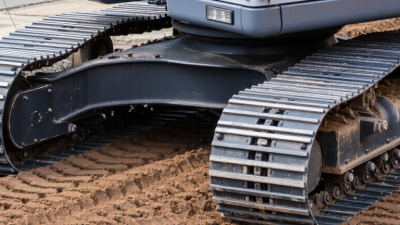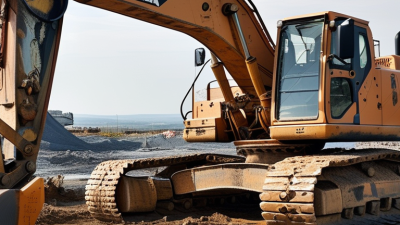


Choosing reliable digger tracks is not a simple price comparison. Global buyers must examine fit, compound quality, tread design, delivery capability, and after-sales support. A track may look correct online yet fail because its pitch, width, or link count does not match the machine. Small errors become expensive downtime.
Michael Anderson, an experienced undercarriage specialist, often reminds buyers, “A track is only reliable when it matches the machine and the working conditions.” That practical view shapes this guide to the Top 10 Digger Tracks Suppliers for Global Buyers. The selection considers product consistency, technical guidance, manufacturing transparency, warranty terms, and international logistics. It also looks beyond polished websites. Factory testing, clear part-number systems, and responsive communication matter more than attractive promises.
Field conditions matter too. Soft soil demands different tread performance than abrasive quarry ground. A compact excavator working eight hours daily needs dependable rubber, reinforced steel cores, and stable heat resistance. Buyers should share the machine model, serial number, track dimensions, and operating environment before requesting a quotation. Guesswork is risky.
No supplier ranking is perfect. Availability can change. Shipping delays happen. Even strong brands may not suit every application. That is why careful comparison remains essential. This overview is designed to help contractors, dealers, and procurement teams ask better questions, reduce fitting mistakes, and identify digger tracks suppliers that deserve closer evaluation. The final decision should still follow verified specifications and practical technical advice.
Top 10 Digger Tracks Suppliers for Global Buyers?
Excavator track selection should begin with operating weight, not supplier popularity. For 1–8 tonne machines, rubber tracks usually protect finished surfaces and reduce vibration. Their lighter carcass also supports faster installation by small service teams. Yet rubber fails quickly on sharp demolition debris. That detail is often ignored.
The 8–15 tonne class needs a tougher balance. Buyers should compare steel track pitch, shoe width, link hardness, and sealing quality. Wider shoes reduce ground pressure, but they can increase turning resistance. For 15–25 tonne excavators, heavy-duty steel tracks and reinforced chains suit quarry floors, rock, and long shifts. Field experience suggests that incorrect pitch causes premature sprocket wear, even when the track itself looks strong. I would not trust weight class alone.
KHL’s Yellow Table 2024 recorded 50 leading construction equipment manufacturers and reported combined 2023 sales of about US$235.5 billion. This figure covers complete equipment, not tracks alone. Off-Highway Research’s 2024 construction equipment database separates demand by machine type, region, and operating class, helping buyers compare local replacement needs. A practical top-ten supplier screen should check test certificates, hardness data, warranty terms, stock locations, and documented fitment records. Delivery matters. A low-cost track is not economical if a 20-tonne excavator waits weeks for a replacement. Some supplier claims remain difficult to verify, so independent measurements and sample inspections deserve more attention.
| Rank | Supplier Profile | Excavator Class Coverage | Typical Track Width Range | Common Track Construction | Best-Fit Applications | Buyer Documentation to Request | Typical Export Order Profile |
|---|---|---|---|---|---|---|---|
| 1 | Supplier Profile 01 | 1–8 tonne 8–15 tonne 15–25 tonne | 180–800 mm, depending on machine model and undercarriage configuration | Rubber tracks with embedded steel cords; steel tracks with standard or heavy-duty shoes | Construction, landscaping, utility trenching, agriculture, and road maintenance | Dimensional drawing, pitch and link count, rubber compound information, tensile test data, and fitment confirmation | Mixed-model container orders; suitable for distributors requiring broad excavator coverage |
| 2 | Supplier Profile 02 | 1–8 tonne 8–15 tonne | 180–700 mm; narrow options are common for compact excavators | OEM-style rubber tracks, low-ground-pressure designs, and bolt-on rubber pads for steel chains | Urban work sites, gardens, drainage, rental fleets, and indoor demolition | Track pitch, width, total links, guide and roller compatibility, package dimensions, and inspection report | Small to medium repeat orders; appropriate for compact-equipment replacement programs |
| 3 | Supplier Profile 03 | 8–15 tonne 15–25 tonne | 450–900 mm, with reinforced options for heavier crawler excavators | Heavy-duty steel chains, sealed and lubricated track groups, and triple-grouser shoes | Quarrying, mining support, heavy civil engineering, and rocky ground conditions | Steel grade, heat-treatment record, bushing hardness, chain tensile data, shoe thickness, and bolt grade | Project-based orders; suited to buyers prioritizing wear life and severe-duty performance |
| 4 | Supplier Profile 04 | 1–8 tonne 8–15 tonne | 200–750 mm, including tracks for zero-tail-swing and reduced-tail-swing machines | Flexible rubber tracks with optimized tread patterns for traction and reduced surface damage | Asphalt-sensitive areas, landscaping, residential construction, and municipal maintenance | Machine compatibility list, tread pattern drawing, rubber hardness range, cold-weather data, and warranty terms | Frequent replacement orders with multiple tread patterns and private-label packaging options |
| 5 | Supplier Profile 05 | 8–15 tonne 15–25 tonne | 450–850 mm; available in standard and reinforced undercarriage configurations | Rubber tracks for medium excavators and steel track chains with interchangeable shoe widths | General contractors, infrastructure projects, demolition, and material handling | Track assembly drawing, link count, pitch, roller flange dimensions, sprocket engagement data, and load rating | Containerized distributor orders; useful for fleets containing several machine classes |
| 6 | Supplier Profile 06 | 1–8 tonne | 180–450 mm; compact excavator widths are usually selected by exact model | Rubber tracks with forged steel cores, reinforced guide lugs, and standard tread profiles | Rental equipment, light excavation, utility work, landscaping, and farm drainage | Exact model fitment, pitch, link count, tread height, core width, and storage recommendations | Low-to-medium volume orders; appropriate where model accuracy and quick replacement are important |
| 7 | Supplier Profile 07 | 1–8 tonne 8–15 tonne 15–25 tonne | 180–900 mm across compact, midi, and full-size crawler excavator ranges | Mixed rubber and steel undercarriage products, including track chains, rollers, idlers, and sprockets | Fleet maintenance, aftermarket distribution, equipment rental, and service workshops | Cross-reference chart, complete undercarriage BOM, quality-control plan, packaging specification, and spare-parts availability | Full-undercarriage procurement; suitable for buyers seeking one consolidated sourcing program |
| 8 | Supplier Profile 08 | 8–15 tonne 15–25 tonne | 450–900 mm; heavy-duty widths should be matched to operating weight and ground conditions | Reinforced rubber tracks and sealed steel chains with abrasion-resistant bushings | Forestry access, earthmoving, wet ground, and demanding off-road applications | Wear-rate data, abrasion testing, material certificates, track tension guidance, and operating-condition recommendations | Planned replacement contracts and fleet orders; suited to buyers comparing total operating cost |
| 9 | Supplier Profile 09 | 1–8 tonne 8–15 tonne | 180–750 mm, with common options for compact and midi excavator platforms | Standard rubber tracks, non-marking compounds, and steel tracks with two- or three-grouser shoes | Rental fleets, landscaping, demolition, snow work, and low-impact surfaces | Compound specification, non-marking test information, tread drawing, package labeling, and replacement procedure | Model-specific stock orders; suitable for regional dealers and equipment rental companies |
| 10 | Supplier Profile 10 | 15–25 tonne | 600–900 mm; final selection depends on machine weight, shoe type, and application | Heavy-duty steel track chains, high-strength pins and bushings, and wide shoe configurations | Large-scale earthmoving, road construction, quarry access, and industrial site preparation | Chain pitch, link count, shoe width, pin and bushing dimensions, hardness values, and installation guidance | Large project or fleet orders; best for buyers requiring durable components for high-hour machines |
Buyer note: Excavator tonne classes are practical purchasing categories rather than universal standards. Track width, pitch, link count, tread design, sprocket engagement, and roller geometry must always be verified against the exact machine model and serial-number configuration. The ranges shown are indicative aftermarket specifications and should be confirmed before ordering.