How to Choose China Top Aftermarket Excavator Tracks?
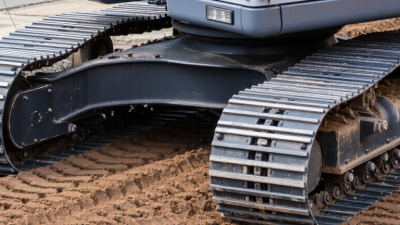
Choosing China’s top aftermarket excavator tracks requires more than comparing prices and product photographs. Track quality affects machine stability, undercarriage wear, fuel use, and jobsite safety. A reliable decision begins with the excavator’s make, model, operating weight, track width, pitch, link count, and working conditions.
Experienced buyers inspect more than the rubber surface. They examine tread design, steel-core structure, bonding quality, bolt accuracy, and supplier testing records. For steel tracks, roller compatibility and shoe dimensions deserve equal attention. Muddy construction sites, rocky quarries, and paved urban projects place very different demands on track materials. The right supplier should explain these differences clearly, not make vague promises.
China has many manufacturers of aftermarket excavator tracks, but capability varies. Look for traceable production, consistent quality control, export experience, and responsive technical support. Ask for material specifications, sample photos, inspection reports, warranty terms, and references from comparable machines. A low quotation may hide poor alignment, early cracking, or difficult replacement claims. No supplier is perfect. Even a strong factory can make mistakes, and buyers should verify critical details before ordering.
This guide explores practical methods for comparing China’s leading suppliers. It considers performance, fitment, durability, service, and total operating cost. The goal is not to promote the cheapest option. It is to help equipment owners choose aftermarket excavator tracks that perform reliably under real working conditions. Small details matter. Track failure never happens at a convenient time.
What Defines a High-Quality Aftermarket Excavator Track?
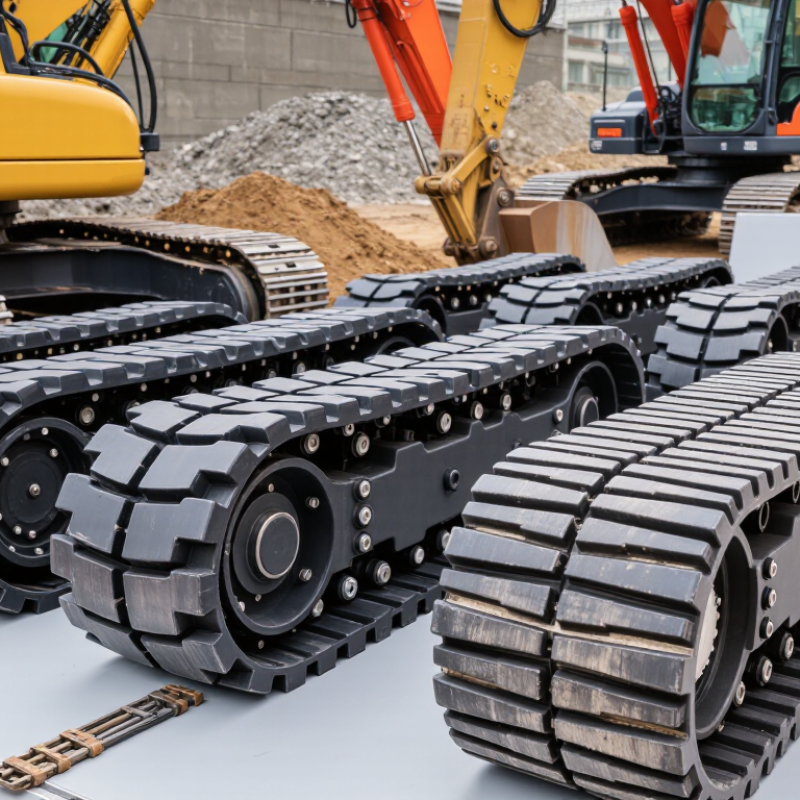
A high-quality aftermarket excavator track starts with measurable engineering, not attractive packaging. Off-Highway Research’s 2024 market review identifies excavators as a leading construction-equipment category, creating strong demand for replacement tracks. That demand also creates uneven quality. A dependable track should match the machine’s pitch, width, link count, and sprocket profile precisely. Even a small pitch error can cause vibration, faster wear, and poor travel performance.
The rubber compound needs balanced hardness, tensile strength, tear resistance, and abrasion performance. ASTM D412, D624, and D5963 provide useful laboratory methods for checking these properties. Internal steel cords should remain evenly aligned and fully bonded. Look for documented testing, batch numbers, production dates, and traceable inspection records. ISO 9001 certification supports process control, but it does not automatically prove field durability. That point is often missed. I have seen visually perfect tracks fail early because their cord bonding was weak or their lug geometry was inaccurate.
Tips: Compare the supplier’s test results with your working conditions. Mud, sharp quarry stone, heat, and long road travel require different compound priorities. Measure the old track before ordering. Check lug wear, pin condition, and sprocket alignment too. A new track cannot correct worn undercarriage parts. Ask for warranty terms that explain coverage, operating limits, and inspection requirements. Be cautious with unusually low prices; the saving may disappear after one premature replacement. Even experienced buyers sometimes focus too heavily on rubber appearance. The hidden construction matters more.
How to Choose China Top Aftermarket Excavator Tracks?
What Defines a High-Quality Aftermarket Excavator Track?
This reference chart shows the practical evaluation weight commonly assigned to major aftermarket excavator track criteria. Material durability, correct fitment, tread design, manufacturing consistency, and warranty support should all be reviewed before purchase. The exact priority may vary according to excavator model, operating surface, load, and working hours.
How to Match Tracks with Your Excavator Model and Work Conditions
How to Choose China Top Aftermarket Excavator Tracks?
How to Match Tracks with Your Excavator Model and Work Conditions
Choosing aftermarket excavator tracks starts with the exact machine configuration. Check the model, production series, track width, pitch, link count, and shoe type. Two excavators with similar model names may use different undercarriage dimensions. Never rely on appearance alone. Measure carefully.
The track chain must work with the existing sprocket and front idler. A small pitch error can cause vibration, uneven wear, or early derailment. I have seen machines fitted with correct-looking tracks but mismatched sprockets. The result was costly downtime. Replacing worn sprockets at the same time is often sensible, although not always necessary.
Work conditions matter just as much. Wet clay needs strong self-cleaning tread patterns. Rocky ground demands reinforced links and reliable pin retention. Soft soil may benefit from wider shoes, while paved areas require more careful track selection. Rubber tracks suit lighter machines and sensitive surfaces. Steel tracks are usually better for demolition, quarry, and severe digging work.
Ask the supplier for material specifications, heat-treatment details, dimensional inspection records, and warranty terms. Check whether the track has been tested under loads similar to your operation. Do not ignore operating weight or attachment changes. They affect ground pressure. Track tension also matters; excessive tension accelerates wear. I still recheck measurements before ordering, because one overlooked digit can create a perfect-looking mistake.
How to Evaluate Track Manufacturers, Certifications, and Product Quality
How to Choose China Top Aftermarket Excavator Tracks?
How to Evaluate Track Manufacturers, Certifications, and Product Quality
Choosing aftermarket excavator tracks requires more than comparing prices. Check whether the manufacturer understands your excavator’s working conditions, soil type, and operating hours. A reliable supplier should confirm track width, pitch, link count, roller compatibility, and sprocket dimensions before quoting. Small errors can cause rapid wear.
Ask for measurable quality evidence. This may include rubber compound testing, steel hardness results, tensile strength data, and inspection records for each production batch. Look closely. Certifications such as ISO 9001 can show process control, but they do not automatically prove track performance. Verify the certificate’s issuer, validity, and stated scope. Request factory photos, sample reports, and traceability records for the materials used.
Product quality becomes clearer during a practical inspection. Examine the tread pattern for clean molding and consistent depth. Check that the metal core is centered and free from visible cracks. The track should fit evenly around the sprocket without excessive slack or resistance. I have learned that impressive specifications can still hide weak after-sales support. Ask how defects are handled, what the warranty excludes, and how quickly technical questions receive answers. A sample may perform well, yet field performance can change with heavy loading, sharp rock, or poor tension adjustment. That uncertainty deserves honest discussion, not confident promises.
How to Compare Prices, Warranties, Delivery, and After-Sales Support
Choosing China’s top aftermarket excavator tracks requires more than comparing the lowest quotation. I usually request prices for the same track width, pitch, link count, rubber compound, and shipping terms. A cheaper offer may exclude bolts, freight, taxes, or installation guidance. Ask for a detailed pro forma invoice.
Check the warranty in writing. It should state the coverage period, operating limits, excluded damage, and claim procedure. Ask whether warranty evaluation uses photos, returned parts, or field inspection. Request recent test records, material specifications, and customer references from similar excavators. These details show practical experience, not just sales language. Still, documents can be incomplete. I once trusted a neat specification sheet and overlooked an unsuitable tread pattern.
Delivery planning also needs precision. Confirm production time, port location, packaging, tracking documents, and replacement-part availability. For an urgent repair, a seven-day manufacturing delay can stop an entire project. Compare the delivered cost, not only the factory price. A written delivery schedule is safer than a promise made during a call.
After-sales support often separates a dependable supplier from a risky purchase. Test the response before ordering by sending technical questions about tension, alignment, and storage. Measure how clearly and quickly the team replies. Ask for fitting instructions, maintenance advice, and a named contact for claims. Good support should help diagnose premature wear, although it cannot correct poor machine maintenance or incorrect installation. Keep photos, operating hours, and inspection notes. Small records matter.