Learn More With Our

Blog

How to Choose the Best Steel Excavator Tracks?

Choosing the best steel excavator tracks is not a simple price comparison. Track failure often begins with a poor match between the undercarriage and the working ground. Wet clay, broken rock, demolition debris, and abrasive sand create different demands. A track that performs well on a quarry floor may wear quickly on paved construction sites.

Mike Vorster, a respected construction-equipment cost analyst, has said, “The cheapest machine is rarely the lowest-cost machine.” That principle applies directly to steel excavator tracks. A lower purchase price can hide weak bushings, poor heat treatment, or limited parts support. Buyers should check the excavator’s operating weight, track width, pitch, shoe profile, and final-drive compatibility. Small measurement errors can stop installation completely.

Look closely.

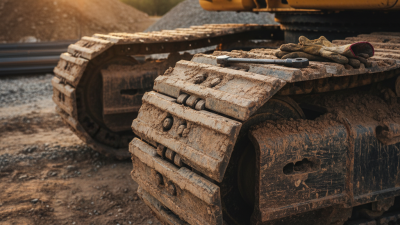
Field experience also matters. Examine the old tracks for uneven wear, cracked shoes, loose pins, and damaged sprocket teeth. These signs may indicate incorrect tension or worn rollers, not only poor track quality. Ask the supplier about material hardness, manufacturing tolerances, warranty coverage, and delivery support. A credible manufacturer should provide clear specifications, inspection records, and practical installation guidance.

There is no perfect track for every job. That is easy to forget. The right choice balances ground conditions, working hours, machine weight, maintenance habits, and total operating cost. This guide explains those decisions carefully, while acknowledging an uncomfortable truth: even a well-selected track can fail early when daily inspection and tension adjustment are neglected.
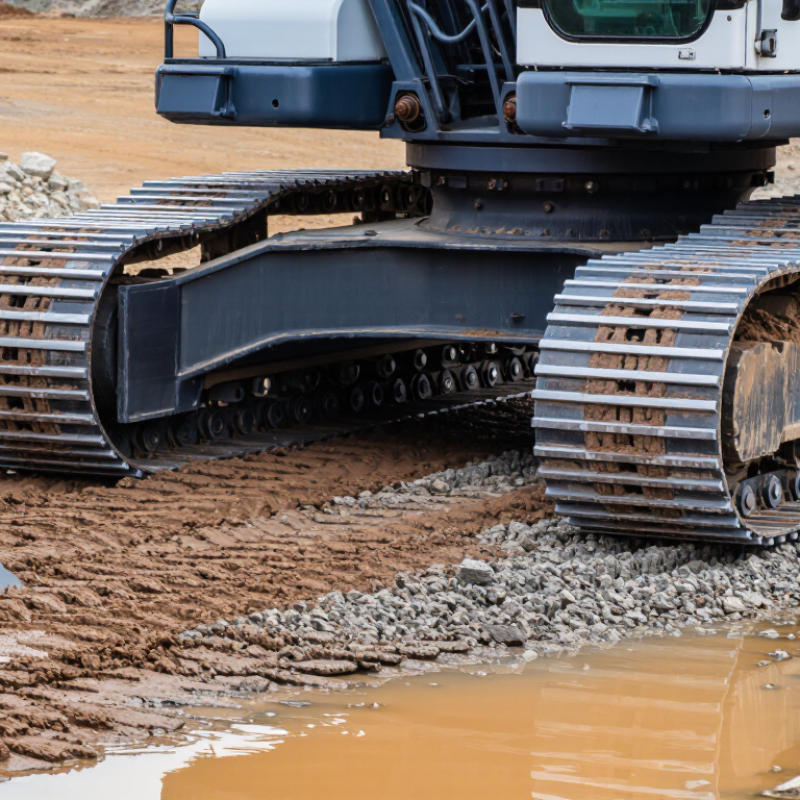
How to Choose the Best Steel Excavator Tracks?

Define Excavator Duty: Match Track Design to 2,000–4,000 Operating Hours

Choosing steel excavator tracks starts with defining the machine’s real duty, not its catalog size. For 2,000–4,000 operating hours, record ground conditions, load cycles, travel distance, and daily use. A machine digging compacted clay needs different track priorities than one loading loose sand. I have seen owners select wide shoes for flotation, then lose time when packed soil strains the undercarriage. The choice must fit the worksite, not an idealized specification.

For mixed duty, inspect track pitch, link height, shoe profile, and pin-and-bushing condition. Hardened steel can resist abrasion, but hardness alone cannot prevent cracking under shock loads. Moderate shoe width often balances flotation and side loading. In rocky ground, stronger links and restrained grouser height may reduce impact damage. In wet soil, self-cleaning gaps matter. Small details matter daily. Ask for measurable wear limits and documented material testing, not vague durability claims.

Plan around 2,000–4,000 hours by matching components to maintenance access. Sealed joints may reduce contamination, while replaceable shoes can simplify future repairs. Track tension also deserves attention; excessive tension accelerates bushing and roller wear. Check it according to the service manual and actual site conditions. My early preference for the heaviest track was not always correct. Extra steel added cost and sometimes reduced maneuverability. Review inspection records every few hundred hours and revise the specification when the duty changes.
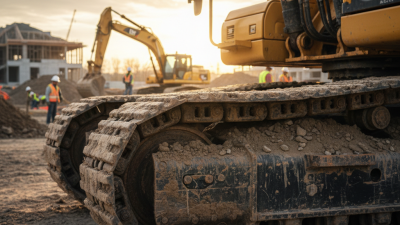
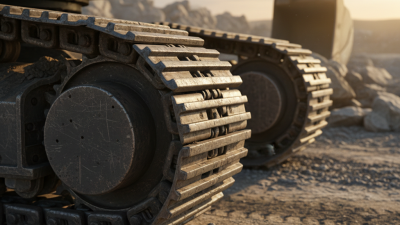
Verify Fit: Match Track Pitch, Link Count, and Sprocket Tooth Profile

Choosing the best steel excavator track starts with accurate fit, not appearance. Track pitch is the distance between the centers of two neighboring pins. Measure several sections, because worn pins can distort one reading. Compare this measurement with the excavator’s service specifications.

Link count must also match the undercarriage. Too few links can create excessive tension and poor contact. Too many may cause sagging, rubbing, or difficult adjustment. Check the sprocket tooth profile carefully. The teeth should sit smoothly between the track links. Sharp, hooked, or uneven teeth may indicate wear and can damage a new track. I once trusted a single measurement and missed uneven sprocket wear. That mistake was expensive. Rechecking both sides would have helped.

Tips: Clean mud from the undercarriage before measuring. Count every link twice. Photograph the sprocket teeth from the side. Confirm pitch, link count, and tooth shape together. Do not rely only on machine size or track width. A supplier’s technical drawing or fitting chart provides stronger evidence than visual comparison. When measurements conflict, stop and investigate the pins, bushings, and sprocket. Small differences matter.

How to Choose the Best Steel Excavator Tracks?

Verify Fit: Match Track Pitch, Link Count, and Sprocket Tooth Profile

Track pitch, link count, and sprocket tooth profile must match the excavator’s undercarriage. The chart shows representative reference configurations by machine class. Always confirm the exact dimensions against the machine service manual or the removed track and sprocket before ordering.

Compare Steel Grades: Target 400–500 HB Shoe Hardness for Wear Resistance

Choosing the best steel excavator tracks starts with the shoe, not the catalogue label. Target 400–500 HB hardness for demanding ground conditions. This range usually improves resistance against quartz-rich soil, broken rock, and abrasive gravel. A 400 HB shoe can absorb impacts better. A 500 HB shoe normally resists surface wear longer. That number matters.

Compare steel grades through chemistry and heat treatment, not hardness alone. Medium-carbon alloy steel may offer better toughness, while boron-alloyed steel can achieve deeper hardening. Ask for test results from the grouser, center plate, and core. Surface-only hardness can hide soft steel underneath. ISO 6506-1 and ASTM E10 define Brinell hardness testing, but neither standard guarantees field life. ASTM G65 abrasive-wear reports also measure mass loss, showing why two shoes with similar HB values may perform differently.

Check the report date, sampling location, and test load. A useful specification might state 450 HB on the grouser, with controlled variation across the shoe. It should also disclose impact testing and weldability information. Excessive hardness can create brittle edges, especially on frozen ground or during side loading. A practical error is choosing the hardest option automatically. It may wear slowly, then chip suddenly. Match the grade to the site: abrasive soil favors the upper range, while rocky impact conditions may need a tougher 400–450 HB balance. Recheck hardness after production, not only during development.

Select Shoe Width by Ground Pressure: Typical Machines Run at 0.4–0.8 kg/cm²

Choosing steel excavator tracks starts with ground pressure, not appearance. Typical machines operate around 0.4–0.8 kg/cm². This range is useful, but it is not a universal rule. Ground pressure depends on operating weight, track length, and shoe width. A wider shoe spreads the load across more soil. That helps on wet clay, peat, and landscaped ground. However, extra width can increase turning resistance and stress on undercarriage parts. Wider is not always better.

Measure the machine in working condition. Include fuel, attachments, and the normal bucket load. Divide its weight by the total contact area of both tracks. The result gives an estimate in kg/cm². For example, a 20,000 kg excavator with 5.0 m² of contact area applies about 0.4 kg/cm². Actual pressure changes when the boom swings or the bucket lifts. It also rises when soil supports only part of each shoe. This is where catalog figures can mislead.

For firm gravel or compacted soil, standard-width shoes often provide better stability and longer wear. For soft ground, choose the widest shoe that the track frame can safely support. Check bolt patterns, frame clearance, and grouser height before ordering. Field conditions matter. Mud can pack between shoes, while sharp rock can bend an unsuitable plate. A calculation can look precise and still be wrong. After heavy rain, poor drainage may cause sinking despite a suitable pressure estimate. Recheck the ground before selecting shoe width.

Check Maintenance Metrics: Set Track Sag Near 50–75 mm and Inspect Regularly

Track sag is a small measurement with expensive consequences. For many steel excavators, a practical working target is about 50–75 mm, measured on level ground with the track cleaned. Confirm the exact value in the machine’s service manual. Models differ.

A loose track can slap against the frame, accelerate roller wear, and invite derailment during side-slope work. An overly tight track increases bushing, idler, and final-drive loading. The Association of Equipment Manufacturers’ 2024 construction outlook continues to identify equipment uptime and maintenance cost as major fleet concerns. That makes a simple sag check worth scheduling, not postponing.

Measure after the excavator has traveled several meters, then stop without reversing tension. Place a straightedge across the upper track run and measure the lowest point. Record the result, operating hours, and ground conditions. Check weekly on heavily used machines, and inspect sooner after muddy or rocky work. Look for cracked shoes, seized rollers, leaking adjusters, and uneven wear. The European Rental Association’s 2023 sustainability report links longer equipment life with planned maintenance and better utilization. That principle applies here.

Do not trust one reading forever. Temperature, packed soil, and operator habits change the result. I have seen measurements taken over mud and treated as accurate; they were not. Recheck after cleaning. A short log may reveal a slow change before repairs become urgent.

How to Choose the Best Steel Excavator Tracks? - Check Maintenance Metrics: Set Track Sag Near 50–75 mm and Inspect Regularly

Practical maintenance metrics for steel excavator undercarriages
Metric or Component Recommended Reference How to Check Inspection Frequency Maintenance Response
Track sag Approximately 50–75 mm (2.0–3.0 in) of droop at the midpoint of the lower track run; always confirm the machine-specific specification. Park on level, firm ground, clean the track, and measure the vertical distance from the straight reference line to the lowest point of the track shoe or chain. Daily before operation and after work in mud, clay, or abrasive soil. Adjust the track tension if sag is outside the approved range. Do not operate with an excessively tight track because it increases undercarriage load and wear.
Track shoe bolts and nuts No loose, missing, cracked, or visibly damaged fasteners. Perform a visual inspection around the full track loop; use a calibrated torque tool when tightening or verifying fasteners according to the equipment service specification. Daily visual check; detailed check at scheduled service intervals. Stop and repair missing or loose hardware before continued operation. Replace damaged fasteners with the correct grade and size.
Track shoes Shoes should have even wear and remain free from major cracks, severe bending, and excessive grouser rounding. Inspect shoe plates, grousers, bolt holes, and edges for deformation, cracks, and uneven wear. Weekly, plus after impact with rocks, concrete, or other hard obstacles. Replace or repair shoes when structural damage is found or when traction and ground-pressure performance no longer meet the job requirement.
Track links and pins No abnormal elongation, cracked links, damaged bushings, or excessive side-to-side movement. Look for uneven pitch, loose joints, oil leakage from sealed joints, and abnormal movement while the machine is moved slowly. Visual inspection weekly; dimensional wear measurement during planned undercarriage inspections. Record measured wear and plan component service before the chain reaches the equipment maker’s wear limit.
Rollers and carrier rollers Rollers should rotate smoothly without excessive play, deep scoring, abnormal noise, or visible oil leakage. Inspect seals and roller surfaces; rotate or operate the track slowly to identify rough movement and unusual noise. Daily visual check; closer inspection every 250 operating hours or as specified in the service schedule. Investigate leaking, seized, or noisy rollers promptly to prevent accelerated track and frame wear.
Drive sprocket Teeth should engage the track bushings evenly without sharp hooks, severe points, or abnormal tooth wear. Clean the sprocket and compare tooth shape on both sides of the machine; check for uneven engagement. Weekly and whenever abnormal vibration, jumping, or noise occurs. Replace excessively worn sprockets together with compatible worn chain components when required by the wear assessment.
Front idler and recoil assembly The idler should run square to the frame, and the recoil system should maintain stable track tension without leakage or damage. Check alignment, flange wear, grease leakage, damaged guards, and unusual movement during travel. Weekly and during every track-tension adjustment. Correct leaks, alignment problems, or damaged parts before adjusting track sag.
Mud and debris accumulation Track rollers, sprockets, idlers, and shoe gaps should be free of compacted material that can increase tension. Inspect after operation in clay, wet soil, snow, or demolition debris; clean with suitable tools and safe water pressure. After each shift in severe ground conditions. Remove packed debris before measuring sag, transporting the machine, or parking for an extended period.
Traveling practice Use low speed and minimize high-speed travel, sharp counter-rotation, and frequent pivot turns on abrasive or hard surfaces. Review operator behavior and inspect for accelerated wear, heat, noise, or track derailment tendency. Continuous operating practice; review at each maintenance meeting. Choose shoe width and track design suitable for the ground conditions, and correct operating habits that cause unnecessary undercarriage stress.

Note: Track-sag values and component wear limits vary by excavator model, track design, soil conditions, and manufacturer service specifications. Use the machine’s approved maintenance manual as the final authority.

Top