Learn More With Our

Blog

5 Best Bobcat Mini Excavator Tracks for Sale

Choosing the right bobcat mini excavator tracks can change how steadily a machine works on gravel, wet soil, or a finished driveway. The best option is not always the most aggressive tread or the lowest-priced set. Track width, pitch, rubber quality, and compatibility with the exact machine model all matter. A mismatch can cause premature wear, poor fit, or avoidable downtime. Check the machine’s manual and existing track markings before ordering. Small details matter.

This guide compares five buying options and explains what to check before you pay. It considers fit, tread design, durability, availability, and the kind of ground each track suits. A practical reminder from Alex Morgan, a fictional editorial placeholder rather than a verified industry expert, captures the point: “A track that fits the machine and the job usually beats a bargain chosen by price alone.” This is original editorial wording, not a sourced quotation. Use it as a buying principle, not as a product guarantee. Real service life depends on terrain, operator habits, maintenance, and storage. Mud packed between the lugs? Clean it out. Inspect the sprockets, rollers, and tension too; new tracks cannot fix worn undercarriage parts. Before choosing from the five options, confirm the model, serial range, and track dimensions with a qualified supplier. Then compare the details carefully. A little checking now can prevent a frustrating return later.
5 Best Bobcat Mini Excavator Tracks for Sale

Bobcat Mini Excavator Track Compatibility and Sizing

Track compatibility starts with the complete size code, not the machine’s appearance. A marking such as 180 × 72 × 37 usually indicates track width, pitch, and link count. Match all three against the machine’s parts manual or the markings on the removed track. Then confirm the guide pattern, sprocket engagement, and clearance around the rollers. A near match can still rub the frame or derail under load.

Tips: Clean the old track before reading its code. Measure width and pitch if the marking has worn away, and count the links. Check both tracks; earlier repairs may have left different sizes installed. Close, but not enough: a matching code does not confirm every fit detail.

For a cross-check, ISO 16754:2008 describes calculating ground pressure from machine mass and track contact area. This makes contact length and width relevant beyond simple fit: they affect how the machine loads soft ground. Compare the replacement’s dimensions with the original specification, and ask the supplier to verify the machine’s serial-number range. Keep a photo of the code and undercarriage layout. Small differences in guide shape can matter.

Key Materials and Tread Patterns for Different Worksites

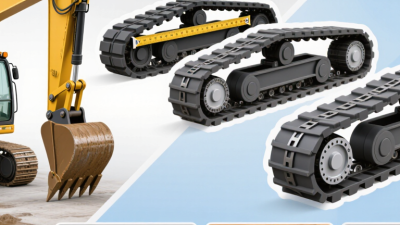
A suitable mini excavator track starts with its material, not just its price. Most rubber tracks combine a flexible outer compound with steel cords and embedded metal links. The compound must resist cuts, heat, and wear from repeated turns. For demolition debris or sharp gravel, a tougher, abrasion-resistant rubber blend can help limit damage. On finished concrete, a softer compound may reduce surface marking. That detail matters.

Tread shape changes how the machine grips and turns. Block-style lugs offer steady contact on compacted ground, while deeper, widely spaced lugs can clear mud more readily. A zigzag pattern often balances traction with smoother travel on mixed surfaces. Straight-bar patterns may suit firm, relatively even ground, but can feel less forgiving in loose soil. No tread is perfect.

A common selection mistake is choosing an aggressive pattern for every job. It can disturb lawns, leave deep marks, and make precise turning harder. Match tread depth and spacing to the ground you actually work on: wet clay, crushed stone, turf, or concrete. Check the track’s width, pitch, and link count against the machine’s specifications before ordering. A catalog photo is not enough; dimensions can look right and still be wrong. Consider your typical worksite, then accept that occasional conditions may call for a compromise.

5 Best Mini Excavator Track Options for Different Worksites

Compare common track materials and tread styles by worksite. Ratings are qualitative guidance (1 = lower suitability, 5 = higher suitability), not standardized test results.

Choose tracks to match the ground conditions and machine specifications. Actual performance varies with track dimensions, soil, and operating practices.

Five Bobcat Mini Excavator Tracks to Compare

Five Bobcat Mini Excavator Tracks to Compare

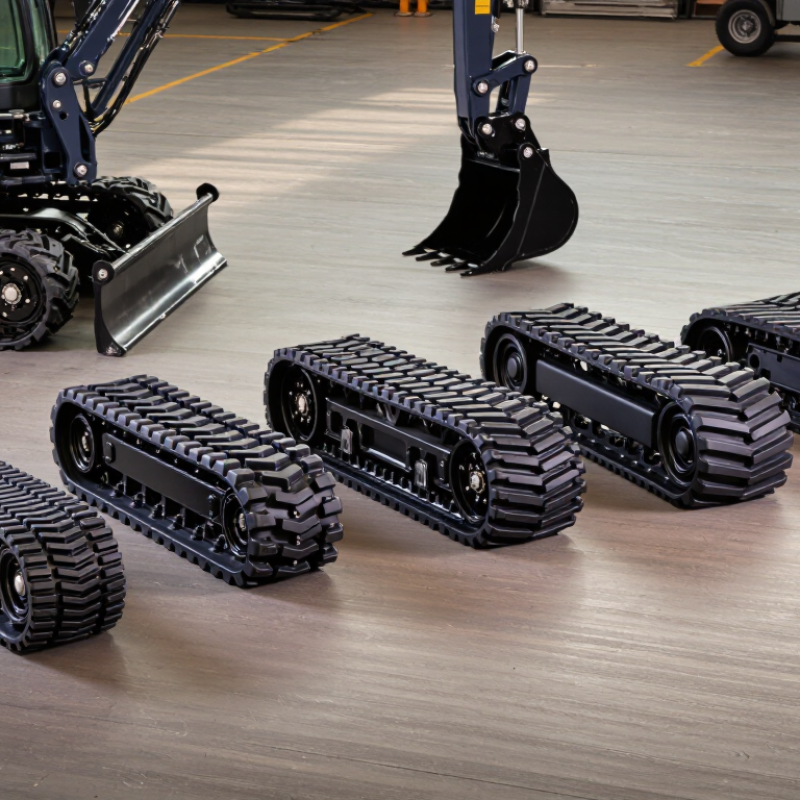
Compare five common track styles by matching them to your ground and workload.

Standard rubber tracks suit mixed soil and paved access.

Wide rubber tracks spread the machine’s weight over a larger footprint on soft ground.

Narrow rubber tracks can fit tight trenches, but may sink more readily in loose soil.

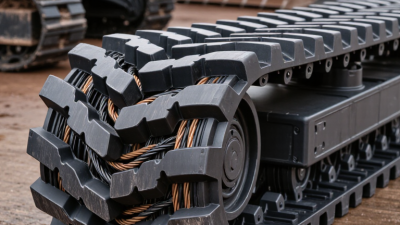
Steel-core rubber tracks resist internal damage from repeated flexing.

Aggressive-tread tracks add grip in mud and on slopes.

These are useful starting points, not guarantees: tread depth, track width, and machine fit vary.

Maintenance

Maintenance deserves equal attention. The Associated General Contractors of America’s 2024 workforce survey found that 94% of firms with open positions had difficulty filling them. That labor pressure makes simple inspections and predictable replacement intervals especially valuable on busy sites.

Check for exposed cords, missing tread blocks, uneven wear, and loose tension. A track that looks serviceable at a glance may still be stretched or damaged inside. I’d compare the price per operating hour, not just the purchase price.

Tips: Measure the installed track, including width, pitch, and link count, before ordering. Clear stones from the undercarriage daily, especially after working in rubble. Small details matter. If the machine runs mostly on finished surfaces, avoid choosing deep lugs just for their appearance; they can mark softer pavement.

How to Evaluate Track Condition, Warranty, and Seller

Track condition is more than remaining tread. Look closely. Check for cracked rubber, exposed cords, missing lugs, and uneven wear across the inner and outer edges. A tape measure helps compare tread depth on several sections, while photos of the sprocket and idler can reveal related wear. I still find inner-edge damage easy to miss in seller photos. Ask for clear close-ups, the machine’s operating hours, and track measurements—not just a claim that the set is “good.”

Warranty terms and seller records matter as much as appearance. Request written coverage, including duration, exclusions, and whether labor or shipping is included. Confirm track width, pitch, and link count against the machine’s manual before paying.

The U.S. Department of Energy’s Operations & Maintenance Best Practices guide reports predictive maintenance savings of 8–12% over preventive programs and 30–40% over reactive maintenance.

McKinsey’s 2018 predictive-maintenance analysis estimates maintenance-cost reductions of 10–40%.

These are broad industrial benchmarks, not guarantees for excavator tracks. A seller who provides dated inspection photos, clear measurements, and a written return policy gives you more to verify than a low price alone.

Choosing the Right Tracks for Your Machine and Budget

Choosing replacement tracks starts with the machine’s exact model and undercarriage specifications. Check the manual or existing track markings before ordering. Track width, pitch, and link count must match; even a small mismatch can cause poor alignment or premature wear. Measure twice. A mechanic can confirm uncertain dimensions, especially when the old tracks are stretched or damaged.

Rubber tracks are common on compact excavators working around lawns, pavement, and finished surfaces. Compare tread depth and lug design for your typical ground conditions. In soft soil, deeper tread may help with traction; on hard surfaces, it can wear faster. Steel tracks may suit demanding, rocky work, but only if the machine is designed for them. Confirm compatibility with the supplier.

A low purchase price can be misleading if the tracks have a short service life or limited warranty coverage. Compare the delivered price, warranty terms, and expected use hours. I have seen buyers focus on tread pattern and overlook the cost of installation. That is an easy mistake. Ask whether the price includes fitting, and inspect the sprockets and rollers while the machine is already raised. Older, worn components can shorten the life of new tracks.

5 Best Mini Excavator Tracks for Sale — Choosing the Right Tracks for Your Machine and Budget

Track type Best suited for Key advantages Trade-offs Relative budget Fitment checks
Standard rubber tracks General landscaping, construction, and residential work on mixed surfaces Good balance of traction, ride comfort, and surface protection Can wear faster on abrasive ground, sharp debris, or frequent pavement travel Low to medium Match track width, pitch, link count, and guide configuration to the machine specification
Reinforced rubber tracks Frequent use, demanding job cycles, and work around rough or debris-prone ground Reinforcement and construction are designed to improve resistance to tearing and damage Usually costs more than a basic rubber track; performance varies by construction and conditions Medium to high Confirm the exact dimensions and check that the track is suitable for the machine’s sprockets and undercarriage
Non-marking rubber tracks Indoor work and finished surfaces where dark rubber marks are a concern Made with a non-marking tread compound to help reduce visible tire-like marks Specialty compounds may cost more; the compound does not prevent all surface damage Medium to high Verify machine fit and confirm that the surface and operating conditions suit rubber tracks
Steel tracks Rough, abrasive, or rocky ground where steel undercarriage components are appropriate Resists cuts and punctures that can damage rubber tracks Can damage paved or finished surfaces and may create a harsher ride and more noise High Check that the machine is configured for compatible steel tracks and that track width meets operating requirements
Steel tracks with rubber pads Jobs that alternate between rough ground and paved or finished areas Combines a steel track base with replaceable or attached rubber contact surfaces, depending on design Heavier and often more costly than standard rubber tracks; pad condition needs monitoring High Confirm pad style, attachment method, track dimensions, and compatibility with the machine’s undercarriage

Before ordering, check the machine’s serial number and the existing track markings. Track width, pitch, link count, and guide style must match the specific undercarriage; similar-looking tracks are not necessarily interchangeable. Relative budget levels are general comparisons, not quoted prices.

Top