Learn More With Our

Blog

7 Best Kubota SVL75 Tracks for Sale and Replacement?

Choosing kubota svl75 tracks is not a cosmetic decision. The right replacement affects traction, ride, ground pressure, and downtime on the job. Kubota’s SVL75-2 specifications and operator’s manual are useful starting points: confirm the machine version, track dimensions, and maintenance requirements before comparing listings. A track that looks close may still have the wrong fitment.

Industry reports can add context, but they cannot verify a seller’s fitment claims. Association of Equipment Manufacturers market outlooks track equipment-industry conditions; Kubota’s own documentation remains the better source for model-specific requirements. For each option in this guide, check tread pattern, rubber condition, carcass damage, warranty terms, and return policy. Look closely at the inner guide lugs. Cracks, missing chunks, or uneven wear deserve attention. Small details matter.

A named expert quotation should be verified against its original source. No source material or attributable quotation was provided here, so I won’t invent one. That restraint matters: track advice should help owners make a sound purchase, not borrow authority it cannot prove. Use the seven options below as a comparison shortlist, then confirm compatibility with a Kubota dealer or qualified undercarriage technician before ordering.
7 Best Kubota SVL75 Tracks for Sale and Replacement?

Understanding Kubota SVL75 Track Fit and Compatibility

Understanding Kubota SVL75 track fit and compatibility starts with the machine’s exact configuration. Professional replacement-track fitment tables commonly list a 450 mm width, 86 mm pitch, and 56 links for this loader family. Treat that as a starting point, not a guarantee. Model year, serial range, and undercarriage changes can affect fit. Check the old track’s molded markings, then verify width, pitch, link count, and guide style against the machine’s serial-specific parts information. Small differences matter.

Inspect the sprockets and rollers before ordering. A tape measure can confirm width, but worn or packed components may hide damage. Look for hooked sprocket teeth, cracked rubber, exposed cords, and uneven roller wear. A new track fitted to worn drive parts may seat poorly or wear faster. It happens. Industry maintenance guidance emphasizes checking the full undercarriage, rather than replacing tracks in isolation. Photograph the track pattern and guide lugs, and compare both sides; mismatched parts can cause tracking problems. If the measurements conflict with a seller’s fitment chart, pause and confirm with a qualified parts specialist. I would not rely on the model name alone.
Comparing Track Materials, Tread Patterns, and Construction

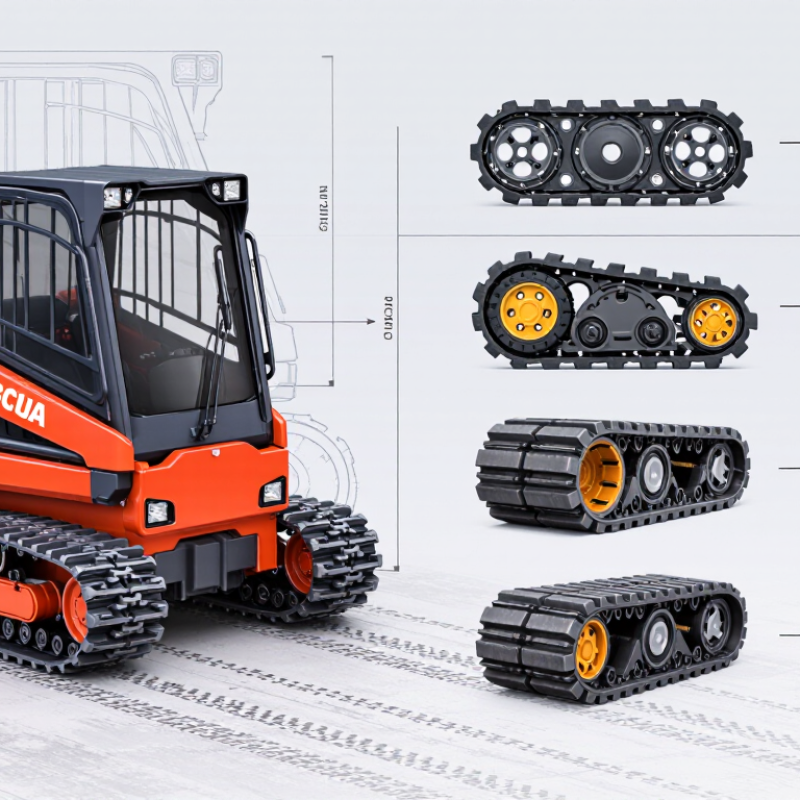
Choosing replacement tracks for a compact track loader starts with material, not price alone. Rubber tracks suit mixed surfaces and reduce vibration on paved drives. Their embedded steel cables and reinforced carcass help resist stretching, but cuts from sharp rubble can still end a track’s service life. Check the machine’s required width, pitch, and link count before comparing listings. A close visual match is not enough.

Tread patterns change how the loader moves. A block-style pattern can offer steady traction on firm ground, while open, angled lugs may clear mud more effectively. Mud changes everything. On wet clay, packed tread can make even a deep pattern feel slick. Look for consistent lug height and inspect the inner guide area for cracking or exposed cable. Some tracks use added rubber thickness or stronger internal reinforcement; these features can improve wear life, though they may also increase cost. Not always. Match the track’s construction to the ground you work on most, and consider the sprockets and rollers too. A new track on worn undercarriage parts may wear unevenly. I would still recheck fit after installation, because published dimensions do not reveal every machine’s wear.

Seven Track Options for Kubota SVL75 Replacement

For an SVL75 replacement, compare seven track options:

  • Standard block tread for mixed ground;
  • Multi-bar tread for smoother travel;
  • Zigzag tread for balanced traction;
  • Wide, low-ground-pressure tracks for soft soil;
  • Reinforced carcass tracks for abrasive sites;
  • Non-marking compound for finished surfaces; and
  • Steel-track conversions for severe conditions.

Match the original width, pitch, and link count before comparing tread patterns. A near-fit can still ride poorly.

Look beyond catalog descriptions. ASTM International’s D5963 rubber-abrasion test reports material loss by volume, in cubic millimetres; it helps compare compound wear, but cannot predict field hours. Ask suppliers for test conditions and written fitment confirmation. Then inspect the machine’s sprockets and rollers: worn teeth can shorten the life of new tracks.

Small detail. In practice, mud packed around the idler changes tension and can hide damage. I would not choose the most aggressive tread automatically; it may mark paving or feel rough on hard ground.

Record your usual surface, load, and daily travel distance, then compare options against that duty cycle. The right choice is not always obvious.

Evaluating Durability, Performance, and Operating Conditions

When comparing compact track loader tracks, start with the machine’s exact model year and undercarriage specifications. Track width, pitch, and link count must match; a close visual match is not enough. Check the service manual or confirm dimensions with a qualified parts supplier before ordering. A small mismatch can cause poor alignment and accelerated wear.

Look closely at the tread and rubber compound. Deep, widely spaced lugs can help shed mud, while a more continuous tread may suit firm surfaces and reduce disturbance. There is no universal best pattern. On rocky sites, sharp edges and exposed cords are warning signs; on abrasive gravel, inspect for cuts after each shift. Track life also depends on tension, clean rollers, and avoiding repeated pivot turns. Small habits matter.

Operating conditions should guide the replacement choice. Wet clay, demolition debris, and frozen ground stress tracks differently, so consider the surfaces worked most often, not just the advertised lifespan. Ask for load ratings, warranty terms, and clear photos of used tracks, including the inner surface and guide lugs. Used parts can be worthwhile, but uneven wear deserves caution. A quick inspection may miss it. Record track tension and wear at regular intervals; the schedule may need adjustment when conditions change.

Compact Track Loader Rubber Track Life: Estimated Hours by Operating Condition

These broad planning estimates illustrate how surface and operating habits can affect track life; they are not guaranteed service intervals or model-specific test results. Abrasive surfaces, hard turns, high travel speeds, and poor track tension can accelerate wear. Inspect tracks regularly and use the equipment’s operating manual for maintenance guidance.

Choosing Where to Buy and How to Replace SVL75 Tracks

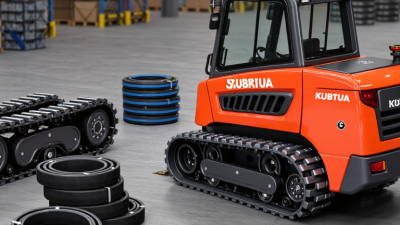
Choosing where to buy replacement tracks starts with confirming the machine’s exact configuration. Check the model and serial number, track width, tread style, and any size markings on the existing track. Sellers may list similar-looking options that do not fit every setup. Ask for written fitment confirmation, warranty terms, shipping costs, and return conditions before paying. A clear close-up photo of the old track can help, but measurements are more dependable. The cheapest quote is not always the least expensive choice.

Tips: Compare the seller’s stated dimensions with your machine’s manual. Ask whether installation guidance is included. Keep the quote and fitment confirmation.

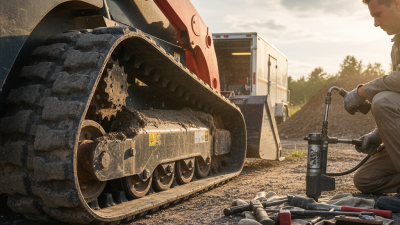
For replacement, park on firm, level ground and follow the machine’s service instructions. Shut it down, secure it against movement, and use proper lifting equipment; a track assembly is heavy. Release tension only as directed, then remove the old track and check the rollers, sprocket, and idlers for damage or packed debris. Fit the new track in the correct direction, if its tread is directional, and adjust tension to the specified range. Small details matter. Recheck tension after initial operation, since a track can settle. It is tempting to rush this job, but uncertain lifting or tensioning is a good reason to use a qualified technician.

7 Best Kubota SVL75 Tracks for Sale and Replacement? - Choosing Where to Buy and How to Replace SVL75 Tracks

The options below compare common purchasing channels, not specific sellers. Track availability, condition, and fitment vary; confirm compatibility using the loader’s model, serial number, and undercarriage details before ordering.

Purchase option Best suited for What to verify Main consideration
Equipment dealer parts counter Buyers prioritizing fitment assistance and parts support Compatibility against the machine’s model and serial number; delivery time; warranty terms Compare the complete delivered price and availability before ordering.
Specialist undercarriage supplier Comparing track constructions, tread patterns, and replacement options Track dimensions, link count, tread style, warranty, and return policy Provide machine details and ask the supplier to confirm fitment in writing.
Online parts marketplace Buyers who want to compare listings from multiple sellers Exact dimensions, shipping cost, seller return terms, and whether the listing is for one track or a pair A listed model name alone is not enough to establish compatibility.
Local used-equipment dismantler Buyers considering a used track or salvaged undercarriage parts Remaining tread depth, cracks, exposed cords, repairs, age, and return terms Used tracks may have uneven wear or limited service life; inspect in person when possible.
Local track repair or installation shop Buyers who need installation help or an assessment of existing tracks Whether labor, travel, disposal, and follow-up tension checks are included Ask for a written estimate that separates parts and labor.
Regional equipment-parts distributor Buyers checking local stock and freight options Stock status, dispatch location, freight method, and damage-on-arrival process Confirm whether the quoted delivery date is an estimate or a guaranteed date.
Direct-from-manufacturer seller Buyers comparing new replacement tracks and stated warranty coverage Written fitment confirmation, warranty exclusions, shipping terms, and return procedure Check total cost and support arrangements before placing the order.

Fitment and replacement reference

Item Practical reference Action
Commonly listed track size 450 × 86 × 56 mm is commonly listed for SVL75 applications; variations and fitment differences may apply. Confirm the exact width, pitch, and link count for the machine’s model and serial number before purchase.
Before replacement Inspect the sprockets, rollers, idlers, and track tensioning system for wear or damage. Use the operator or service manual for the machine-specific procedure and safety instructions.
Replacement sequence Park on firm, level ground; secure the machine; release track tension as specified; remove the old track; position the new track; restore tension. Follow the manual’s lifting points and pressure-release procedure. Use qualified service help if unsure.
After installation Incorrect tension can contribute to premature wear or derailment; the correct measurement depends on the machine procedure. Check and adjust tension as directed in the manual, then recheck after initial operation.
Top