Learn More With Our

Blog

7 Best Mini Ex Tracks for Sale in 2026?

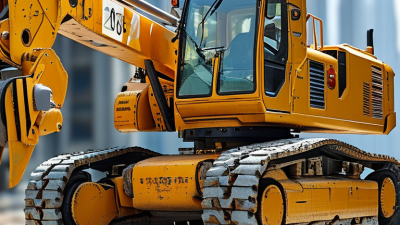
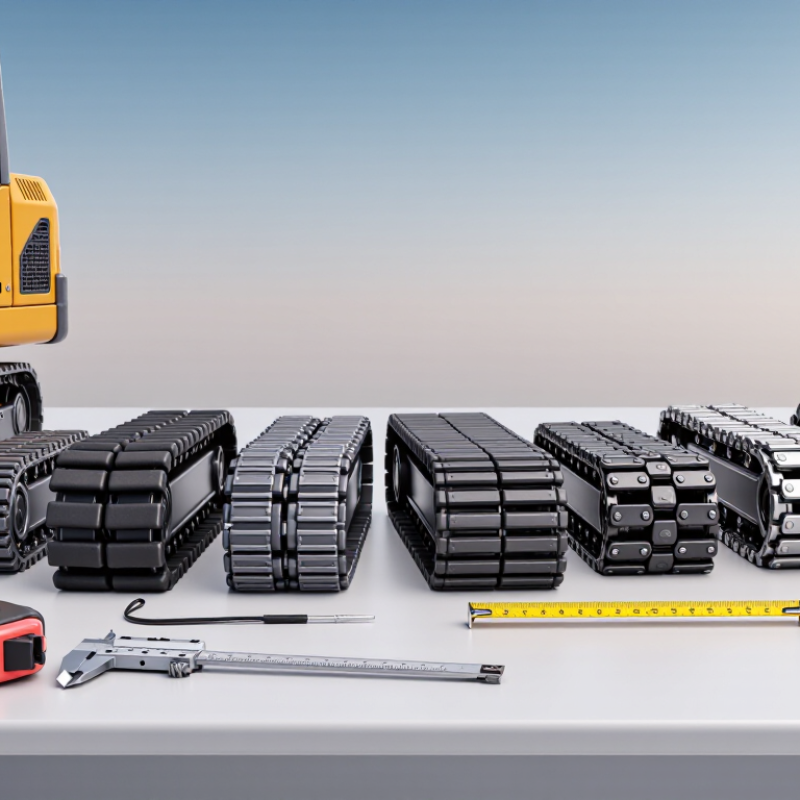
Choosing replacement tracks for a mini excavator is not just a price comparison. The wrong fit can cause poor tension, extra wear, and frustrating downtime. This guide to the 7 Best Mini Ex Tracks for Sale in 2026? helps buyers compare options with practical details in mind. Check the machine’s make and model, track width, pitch, and link count before ordering. Measure carefully. A product photo alone cannot confirm fitment.

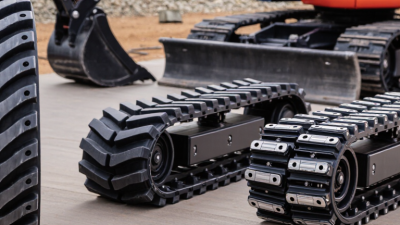
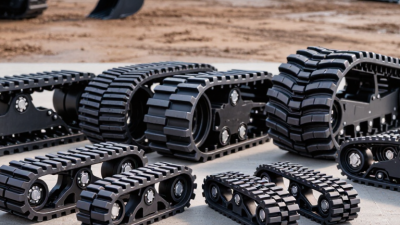
The right track depends on where and how the excavator works. Rubber tracks can suit landscaping and finished surfaces, while steel tracks may be worth considering for rough, abrasive ground. Those are starting points, not rules. Tread pattern, rubber compound, warranty terms, shipping, and seller support also matter. Ask the supplier to verify compatibility using your machine’s serial number when possible. Keep the old track’s measurements nearby. Small differences matter.

A lower price can become the costly choice if the track wears quickly or arrives incompatible. I would not rank any option on price alone; published specifications and fitment support deserve equal attention. Some listings leave important details unclear. That should give buyers pause. The picks ahead are intended to make comparison easier, not promise a perfect match for every machine or job. Before buying, confirm the specifications with the seller and review the manufacturer’s maintenance guidance.
7 Best Mini Ex Tracks for Sale in 2026?

What Defines a Mini Excavator and How Is It Used?

A mini excavator is a compact, tracked hydraulic machine, commonly classed as weighing under six metric tonnes. The exact cutoff varies across markets, so check operating weight rather than relying on the label alone. Its short tail swing and narrow body can help it work beside fences, walls, and garden beds. It is still heavy equipment. Soft ground can give way beneath it.

Typical jobs include trenching for water lines, digging post holes, grading small areas, and removing stumps. With a suitable attachment, the same machine can break concrete or lift materials within its rated capacity. A trench only needs to be a little too narrow for safe access to make a small machine a poor fit. Measure the gate, work area, and required digging depth before choosing.

The market reflects steady demand for compact machines: Global Market Insights estimated the worldwide mini excavator market at about US$9.5 billion in 2023. That figure describes market value, not machine performance.

When evaluating a used machine, inspect track wear, rollers, idlers, and sprockets; repairs can add up quickly. Rubber tracks may suit finished surfaces, while steel tracks can make sense on rougher sites. Neither is ideal everywhere. A clean exterior can hide neglected undercarriage parts.
Which Features Matter When Comparing Mini Excavators?

When comparing mini excavators, match the machine to the worksite, not just its advertised digging depth. Grand View Research’s 2024 Mini Excavator Market report valued the global market at about US$8.5 billion in 2023 and projected 5.6% annual growth through 2030. That growth makes careful specification checks more important, especially when buying used.

Compact does not always mean suitable.

Start with operating weight, transport width, and tail-swing design. A narrow access path may matter more than an extra few inches of reach. Compare maximum digging depth with the depth your jobs actually require, then check bucket breakout force and auxiliary hydraulic flow for planned attachments.

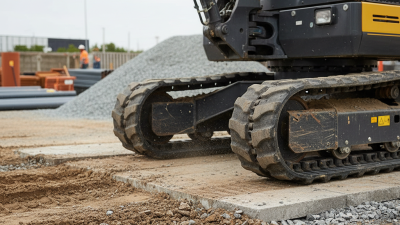
Check the tracks closely. Uneven wear, cracked rubber, or loose tension can point to extra maintenance costs. Small details matter. Also inspect service access, visibility, and the control layout from the operator’s seat. A specification sheet cannot show whether sightlines feel cramped or daily checks are awkward.

I would not treat a higher hydraulic-flow figure as an automatic advantage; it only helps when the attachment needs it. That is easy to overlook.

For machines offered for sale in 2026, ask for maintenance records and a cold-start demonstration, then compare the delivered condition against the listed specifications.

How to Choose the Right Mini Excavator for a Job

Choose a mini excavator by the hardest job on site, not its advertised maximum digging depth. Measure trench depth, working reach, access width, and the space needed to swing the cab. Then compare those figures with the machine’s specifications. Check lift capacity at the actual working radius; capacity drops as the load moves farther away. A bucket full of wet soil can also weigh more than expected.

Access can decide the purchase. Measure gates, paths, and the narrowest turn, then check the machine’s transport weight against your trailer and towing vehicle limits. Retractable tracks help in tight spaces, but they do not make every surface safe. OSHA’s Trenching and Excavation Safety guidance calls for protective systems in trenches five feet or deeper, with limited exceptions; trenches 20 feet or deeper require systems designed by a registered professional engineer. Match digging plans to suitable protection, not just machine reach. Small details matter. Before buying, ask for the lift chart, test the controls, and inspect track wear and hydraulic leaks. A site sketch can be wrong by inches—and those inches may be the difference between fitting through a gate and changing the whole plan.

Seven Mini Excavators to Consider for Sale in 2026

For 2026 buyers, seven mini excavator profiles deserve a closer look. A 1-ton micro model can pass through narrow gates and work beside garden walls. A 2-ton zero-tail-swing machine is useful where fences or buildings leave little room to turn. A conventional 3-ton excavator often offers a steadier feel for trenching and small site work. Small is not simple.

A 4-ton model can provide more digging force, but check whether the trailer and access route can handle its weight. A long-arm version may reach over drainage channels or work from a setback position. An expandable undercarriage can narrow for transport, then widen for stability on site. An electric compact excavator may suit indoor work or noise-sensitive locations, provided charging access and operating time meet the job’s needs.

Compare actual digging depth, lift capacity, service records, and included attachments across listings. Published specifications are useful, but soil, bucket choice, and operator technique affect real performance. Inspect the tracks for uneven wear and look for hydraulic leaks around the boom and couplers. Check the paperwork. A tidy machine can still have a tired pump, and that detail is easy to miss during a quick walk-around. Availability and specifications vary by region, so verify them with the seller before arranging transport.

What to Check Before Buying a Mini Excavator

Before buying a mini excavator, match its size to the work and the space around it. Check operating weight, transport width, digging depth, and lifting capacity. A machine that fits through a gate may still be too heavy for your trailer. Confirm the attachment couplers and hydraulic flow suit the buckets or tools you plan to use. Check the hours. Then compare the hour meter with service records; a low reading alone proves little.

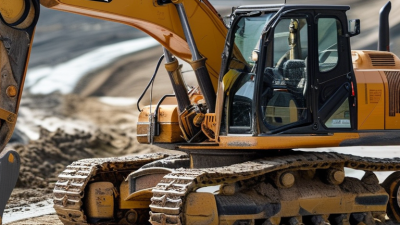
Inspect the tracks in daylight. Look for cracked rubber, missing chunks, uneven wear, loose track tension, and damaged sprocket teeth. Check rollers and idlers for movement or leaks. On a cold start, listen for unusual knocking and watch for heavy smoke. Move the boom, arm, and bucket through their full range, then inspect cylinders and hoses for fresh oil. Look closely. Test travel in both directions, including a gentle turn on firm ground, and note any delay or pulling. Ask for maintenance records and time to inspect the machine without pressure. An independent mechanic can spot issues that a short demonstration misses. Even a careful check has limits; hidden faults may appear only after extended use, so leave room in your budget for repairs.

Top