2026 Top KTSU Rubber Tracks Which Type Is Best?
Choosing the best ktsu rubber tracks in 2026 starts with the machine, not the price tag. Track width, length, pitch, and drive-lug design must match the equipment’s specifications. A mismatch can cause poor fit, uneven wear, or unnecessary downtime. Check the operator’s manual and current supplier information before comparing options.
The right track also depends on the worksite. A compact excavator moving across damp soil may need a different tread pattern from a machine crossing gravel, concrete, or landscaped ground. Standard tread can suit general jobs, while wider or low-ground-pressure designs may help on softer surfaces, if available for your model. Non-marking rubber may matter on finished floors. Small details count. There is no universal winner.
This guide will compare common KTSU rubber track types by fit, traction, surface impact, durability, and expected use. It will also explain what to verify before ordering, including the machine’s make and model, track dimensions, and operating conditions. Ask a qualified dealer to confirm compatibility when measurements or catalog listings are unclear. A choice can look right on paper, yet feel wrong after a week of turning on abrasive stone. That deserves attention. The best option is the one that fits correctly, suits the actual ground, and can be supported with reliable product information—not simply the one with the boldest claims.
What KTSU Rubber Tracks Are and How They Work
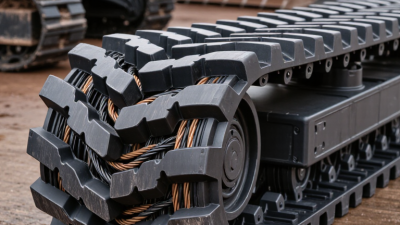
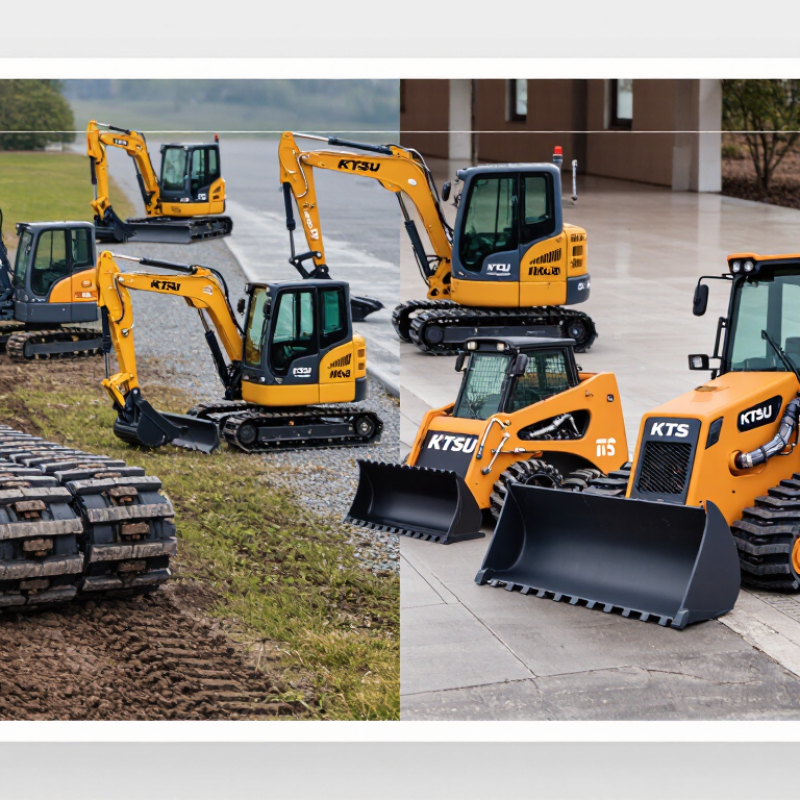
KTSU rubber tracks are continuous belts reinforced with steel cords and embedded links. Their broad footprint supports a machine while sprocket teeth pull the belt around its wheels. As the sprocket turns, the track’s inner lugs guide it; the outer tread grips soil, gravel, or mud. The movement feels steady, but it depends on correct tension and clean, undamaged tread. Small stones wedged between components can accelerate wear.
Ground pressure is machine weight divided by track contact area. A larger footprint can reduce pressure on soft ground, but it does not prevent soil damage.
USDA soil-management guidance warns that repeated traffic, especially on wet soil, increases compaction risk.
The U.S. Geological Survey’s 2025 Mineral Commodity Summaries estimates world natural-rubber production at about 15 million metric tons in 2024. That figure describes the wider material supply, not track durability. A track’s actual life depends on rubber formulation, reinforcement, terrain, and operator habits. Check tension regularly. It is easy to overlook. Even the best tread struggles when sharp debris, hard turns, or excess speed keep stressing the same sections.
Main KTSU Rubber Track Types and Their Construction
Rubber-track construction affects traction, ride, wear, and repair options. Most tracks combine a molded rubber body with steel cords and embedded metal links. The cords resist stretching; the links engage the machine’s sprocket. Small cracks near the guide lugs deserve attention. They can signal fatigue, not just surface wear.
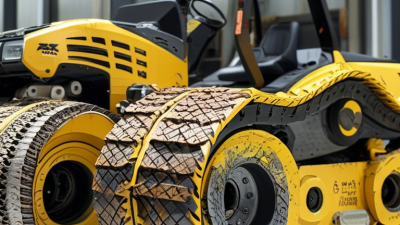
Common designs include steel-embedded tracks and flexible, continuous-cord tracks. Embedded steel links provide firm sprocket engagement, while continuous cords help resist longitudinal pull. Tread patterns vary too: straight bars suit general travel, while block or zigzag lugs can improve grip on loose soil. No pattern wins everywhere. Wet clay may pack between lugs, while hard surfaces can wear aggressive tread faster.
Compare construction with measurable tests, not appearance alone. ASTM D412 measures rubber tensile strength and elongation; ASTM D624 measures tear strength. These standards define test methods, not universal pass scores, so request product-specific test results. For field selection, check machine weight, track width, sprocket fit, and typical ground conditions. Wider tracks spread the load over more area, but they may not suit every undercarriage. A detail that is easy to overlook: incorrect tension can shorten track life even when the rubber compound is sound.
How Track Design Affects Traction, Durability, and Ride
2026 Top KTSU Rubber Tracks Which Type Is Best?
Track design changes how a machine grips, wears, and feels across a workday. Open, widely spaced lugs can shed mud and loose soil, helping maintain traction in wet conditions. Closer tread patterns often roll more smoothly on firm ground, but may pack with sticky clay. Lug height matters, too. Taller lugs can bite into soft terrain, while shorter, broader lugs may offer steadier contact on hard surfaces. There is no perfect pattern for every site.
Durability depends on more than tread shape. A reinforced carcass helps resist impacts, while suitable rubber compounds can reduce cuts and premature wear. Check the track width and machine guidance, since poor fit can increase stress on the edges. Ride quality also reflects track tension and undercarriage condition. Even a well-designed track can feel rough if tension is incorrect. Small details matter. In practice, the “best” choice can be a compromise, and terrain changes may expose weaknesses you did not expect.
Tips: Match the tread to your most common surface, not an occasional job. Inspect for exposed cords, cracked lugs, and uneven wear. Keep tension within the machine maker’s specified range, and clear packed debris before it hardens. A quick inspection saves trouble.
2026 Rubber Track Designs: Which Type Is Best?
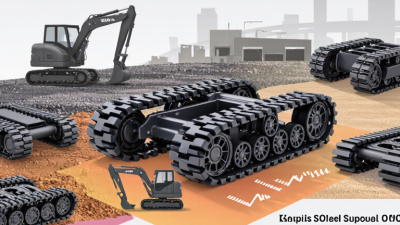
Typical design trade-offs for traction, durability, and ride comfort
Ratings use a conceptual 1–5 scale to compare common tread-design tendencies, not standardized test results. Actual performance depends on machine weight, terrain, track compound, and operating conditions. Choose a design based on your most common surfaces and priorities.
Which KTSU Track Type Fits Each Machine and Terrain
The best rubber track depends on the machine’s weight, undercarriage, and daily surface. A compact track loader working on lawns usually needs a turf-style tread with broad contact area. It spreads pressure and helps reduce scuffing during tight turns. For a mini excavator crossing mixed soil, a standard block or C-pattern tread offers a practical balance of grip and predictable movement. Check the machine manual for track width, pitch, link count, and guide style before ordering. A close-looking track can still be the wrong fit.
Mud needs open tread spaces that shed soil instead of packing solid. On gravel or broken ground, a deeper, reinforced tread can improve traction, but sharp rock may still accelerate wear. Smooth, non-marking rubber suits indoor floors and finished concrete, though it may give up some bite in loose dirt. There is no perfect match. Surface conditions change, and wet grass can become slippery even with an aggressive pattern.
Match the tread to the machine’s work, not just its most dramatic terrain. Frequent travel over pavement calls for a more wear-conscious pattern; steep, soft slopes favor stronger traction. Keep tension within the maker’s specified range and inspect edges for cuts or exposed cords. Small cracks matter. I have seen buyers focus on tread appearance and overlook load rating; that choice can shorten service life. A local track specialist can verify measurements when the old track is stretched or damaged.
Key Factors for Choosing the Best KTSU Rubber Tracks in 2026
Choosing the best KTSU rubber tracks in 2026 starts with the machine, ground, and workload—not the tread pattern alone. Measure the existing track’s width, pitch, and number of links, then check the machine’s service specifications. A mismatch can cause uneven wear or poor fit. Not just width. For soft soil, wider tracks can spread machine weight across a larger footprint; on abrasive gravel, compound durability and tread depth may matter more. The USDA Natural Resources Conservation Service’s Soil Quality Test Kit Guide notes that bulk density above about 1.6 g/cm³ can restrict root growth in many fine-textured soils. That is a useful reminder: ground pressure matters, though soil type changes the threshold.
Ask suppliers for measurable wear and construction details, including rubber compound, reinforcement, guide-lug design, and warranty terms. ASTM D5963 describes a standard abrasion-resistance test that reports rubber volume loss in cubic millimetres; lower loss can indicate better abrasion resistance under that test, but it does not predict track life in every job. Real wear depends on turning habits, debris, tension, and hours worked. A track that lasts well on clean turf may wear quickly on broken concrete. I’d compare test results with maintenance records from similar machines and conditions. Those records are imperfect, but often more useful than a bold durability claim.