What Are Mini Rubber Tracks and How Do They Work?
Mini rubber tracks are the flexible belts that move compact machines across soil, gravel, and uneven job sites. They wrap around drive sprockets, idlers, and rollers, turning engine power into steady movement. Their rubber surface can help reduce ground disturbance and provide grip where narrow tires may slip. The exact result depends on the machine, track design, and ground conditions.
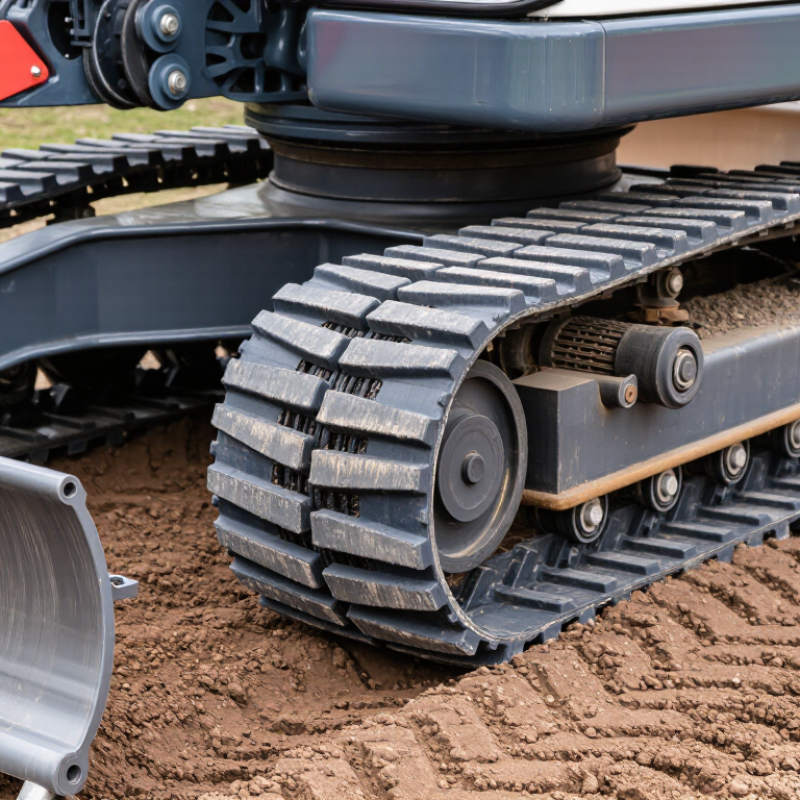
Inside each track, reinforcing cords and steel components help it hold its shape under load. The tread pattern meets the ground; the inner guide lugs help keep the track aligned with the undercarriage. As the sprocket turns, its teeth engage the track and pull it around the rollers. Simple in principle. Hard-working in practice.
Mini rubber tracks still wear. Mud packed around the rollers, incorrect tension, sharp debris, and frequent turning on hard surfaces can shorten service life. A track that looks intact may also be poorly aligned. Small details matter: a loose track can derail, while excessive tension can strain components. Inspection is not glamorous, but it can prevent avoidable downtime.
A named expert quotation cannot be verified from the material provided, so I won’t invent one. A useful original summary is: “A track works best when its fit, tension, and ground conditions work together.” This guide explains the main parts, how they transfer power, and what owners should check during routine use. One caveat remains: there is no single track setup that suits every machine or job.
What Are Mini Rubber Tracks?
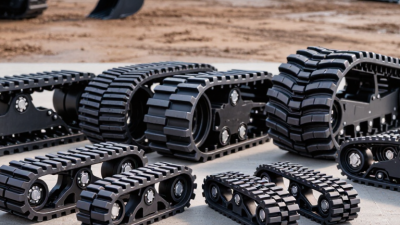
Mini rubber tracks are continuous belts fitted to compact machines such as mini excavators, track loaders, and small carriers. They wrap around drive sprockets, idlers, and rollers, forming a moving contact surface between the machine and the ground. Unlike separate tires, a track spreads the machine’s weight across a longer area. This can reduce ground pressure and help the machine travel over soft soil, gravel, or uneven work sites. The tread pattern provides grip, while the rubber body bends around the undercarriage as the track moves. Small, but important.
The term “mini” usually describes the equipment class, not one fixed track size. Track width, length, pitch, and internal construction vary by machine, so the correct fit depends on the undercarriage specifications. Many tracks contain steel cords and embedded metal links beneath the rubber. These components help resist stretching and guide the track along its path. In use, the drive sprocket engages the track and pulls it around the rollers; the rollers support the machine’s weight. A loose or overtightened track can wear unevenly, so tension checks matter. Rubber tracks can also be damaged by sharp debris or prolonged contact with abrasive surfaces. That trade-off is easy to overlook. A quick visual inspection may reveal cuts, exposed cords, or missing tread, but it cannot replace checking the machine’s maintenance guidance.
What Are Mini Rubber Tracks Made Of?
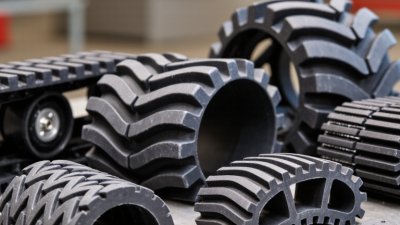
Mini rubber tracks are engineered composites, not simply molded strips of rubber. The outer tread uses a rubber compound, often blending natural rubber with synthetic elastomers such as SBR or BR. Carbon black or silica can reinforce the compound, while oils, sulfur, and anti-aging additives support processing and durability. Inside, steel cords run lengthwise to resist stretching. Embedded steel links engage the drive sprocket and help transfer force. Some designs also use textile layers. Not just rubber. Exact recipes and layer counts vary with machine size, load, and design.
The International Rubber Study Group’s 2024 Rubber Statistical Bulletin estimated worldwide natural-rubber production at about 15 million tonnes in 2023. That figure shows the scale of a key feedstock, not the recipe inside any particular track. ASTM D412 standardizes tensile testing for vulcanized rubber. Track compounds must also handle abrasion, repeated flexing, and changing ground conditions. A useful distinction: steel reinforcement carries tensile loads, while rubber cushions vibration and protects the running surface. One caveat: broad material descriptions hide proprietary recipes. Edge cuts can expose reinforcement before the tread looks fully worn.
How Do Mini Rubber Tracks Work?
Mini rubber tracks are continuous reinforced belts that carry a compact machine across the ground. Many designs use embedded steel cords for strength and molded inner lugs to guide the belt. A drive sprocket engages those lugs and pulls the track around the chassis. That matters. Without proper engagement, the belt can slip or wear unevenly.
As the sprocket turns, the track moves over rollers and front idlers. These parts support the machine’s weight and help keep the belt aligned. A tensioning system maintains suitable tightness; too much slack can cause the track to derail, while excessive tension adds strain. Operators can often steer by driving the left and right tracks at different speeds. Tight turns may scrub the rubber against the surface.
The wide contact area spreads weight across more ground than narrow tires usually can. That can improve traction on soft soil and reduce deep ruts, though wet clay may still cling between the tread blocks. Track performance depends on belt condition, tension, machine load, and the surface beneath it. In practice, movement is not perfectly smooth. Small bumps, worn rollers, or incorrect tension can create vibration, so regular visual checks are useful.
| What Are Mini Rubber Tracks and How Do They Work? |
| Part or Feature |
What It Does |
How It Works in Use |
| Rubber tread |
Provides the ground-contacting surface and helps protect the surface beneath the machine. |
The tread flexes around the undercarriage as the track moves. Its pattern helps provide traction and shed some soil, although performance varies with ground conditions and tread design. |
| Embedded reinforcement |
Helps the track resist stretching and maintain its shape. |
Many rubber tracks contain longitudinal steel cords or other reinforcement inside the rubber. The reinforcement supports the track as it bends repeatedly around the wheels. |
| Inner drive lugs |
Engage with the drive sprocket to transfer motion to the track. |
As the sprocket turns, its teeth engage the track’s inner drive features and pull the track around the undercarriage. |
| Drive sprocket |
Transfers power from the machine’s drive system to the track. |
The sprocket rotates against the track’s drive lugs. On a tracked machine, the left and right tracks can be driven at different speeds to help steer. |
| Idler wheel |
Guides the track at the end of the undercarriage opposite the drive sprocket. |
The track loops around the idler, which helps maintain its path and, in many designs, works with the tensioning system. |
| Rollers |
Support the machine’s weight and guide the lower run of the track. |
The rollers travel along the inside of the track, distributing load across the undercarriage while the track circulates. |
| Track tensioning system |
Maintains the specified track tension. |
A tensioning mechanism moves the idler or another adjustment point to set track slack. Correct tension depends on the machine manufacturer’s specifications. |
| Track loop |
Forms a continuous path around the sprocket, idler, and rollers. |
Because the track is a continuous loop, the machine’s weight is carried across a longer contact area than with wheels of a similar size, helping reduce ground pressure in many conditions. |
| Basic movement cycle |
Turns engine or motor power into forward or reverse travel. |
The drive system turns the sprocket; the sprocket engages the track; and the track moves around the undercarriage. Contact between the tread and ground produces the force that moves the machine. |
| Turning |
Changes the machine’s direction. |
Many tracked machines steer by varying the speed or direction of the two tracks. The exact steering method depends on the machine’s drive system. |
| Operating conditions |
Influence traction, wear, and track life. |
Hard surfaces, abrasive materials, sharp objects, incorrect tension, and packed debris can increase wear or damage. Inspection and cleaning should follow the machine’s operating manual. |
Where Are Mini Rubber Tracks Used?
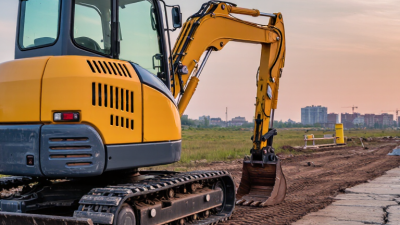
Mini rubber tracks are commonly used on compact excavators and loaders working in residential construction, landscaping, farms, and utility maintenance. Their narrow footprint helps machines pass through gates, move between houses, and work beside foundations or garden beds. On a small landscaping job, for example, a tracked loader can carry soil across a lawn with less surface disturbance than many wheeled machines. Less disturbance is not no disturbance; wet ground can still rut.
The U.S. Census Bureau recorded 1.413 million housing starts in 2023 in its New Residential Construction report, reflecting the scale of building activity where compact equipment may be useful. The figure does not measure mini-track use. Utility projects offer another setting: the U.S. Environmental Protection Agency’s 2023 Drinking Water Infrastructure Needs Survey and Assessment estimates $625 billion in drinking-water infrastructure needs over 20 years. Compact tracked machines can help crews reach restricted work zones for trenching and material handling. Their rubber belts spread machine weight across the ground, but actual pressure depends on machine weight, track width, and soil. Mud, sharp debris, and poor tension still cause wear. Fit matters. A narrow track may reach a tight site, yet offer less stability on uneven ground.
Typical Mini Rubber Track Widths by Machine Type
Mini rubber tracks support compact machines on soft or uneven ground. Widths vary by model; the ranges below are indicative examples, not specifications for every machine.
Track width is measured across the rubber tread. Wider tracks can spread machine weight over a larger contact area, which may help reduce ground disturbance.
How Are Mini Rubber Tracks Maintained?
Mini rubber tracks are flexible belts that move compact excavators, loaders, and utility machines across soil, gravel, and paved surfaces. Steel cords inside the rubber provide strength, while molded tread blocks create traction. Their compact design reduces ground damage, but the tracks still need regular care.
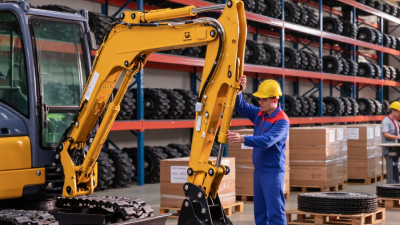
Clean the tracks after muddy work, especially around the sprocket, rollers, and frame. Packed soil can increase friction and accelerate wear. Inspect the tread before each shift. Look for missing lugs, deep cuts, exposed steel cords, uneven wear, or embedded stones. Small damage can become serious during heavy digging. Keep the inspection practical and consistent.
Track tension deserves careful attention. Follow the machine’s service manual because excessive tension strains bearings, while loose tracks may derail. Measure tension on level ground, with the machine safely positioned. Check the rollers and sprocket teeth for sharp edges or unusual movement. Avoid unnecessary pivot turns on concrete, sudden counter-rotations, and repeated contact with scrap metal. These habits often shorten track life.
A perfect maintenance schedule rarely survives real job conditions. Operators sometimes miss a cleaning because the site is rushed. That mistake is understandable, but it should trigger a closer inspection later. Store the machine away from direct sunlight, oils, and extreme heat. When wear patterns seem unusual, ask a qualified technician to diagnose alignment, tension, or undercarriage problems before replacing parts.