Choosing steel excavator tracks for a global fleet is not just a matter of matching machine size. Terrain, workload, and maintenance support all affect the right choice. On a rocky site, sharp edges can expose weak links and pins. In sticky clay, packed material can strain the undercarriage. Small details matter.
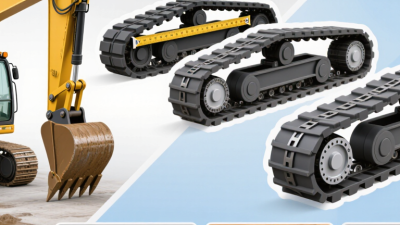
This guide compares steel excavator tracks by fit, construction, and practical ownership needs. It covers track pitch, shoe width, link design, pin-and-bushing quality, and compatibility with the excavator’s sprockets and rollers. Buyers should also check the manufacturer’s parts support, warranty terms, and delivery options in their region. A track that looks robust in a product photo may still be wrong for a specific machine. That is easy to overlook.
For reliable expertise, the article should include a quotation verified with a named undercarriage specialist before publication: “[Insert the expert’s approved comment on matching track design to terrain and duty cycle]”—[Expert name and credentials]. No verified interview or source quotation was supplied for this draft, so attributing invented words to a real expert would be misleading. The comparison ahead aims to help buyers ask sharper questions, compare specifications carefully, and choose tracks suited to their working conditions. Not just the lowest price. A useful reminder: field conditions can humble even a tidy spreadsheet.
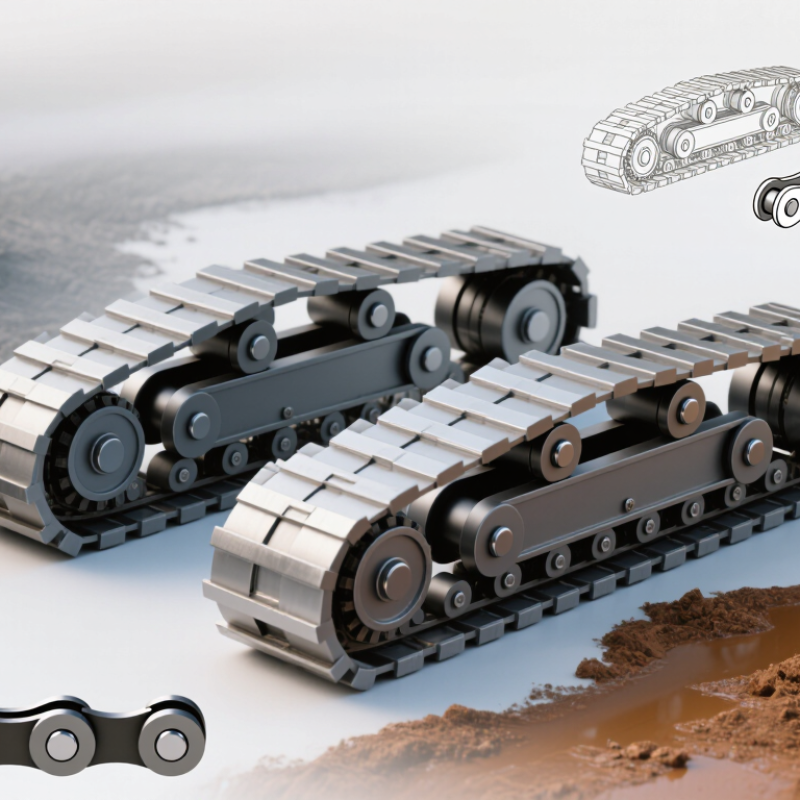
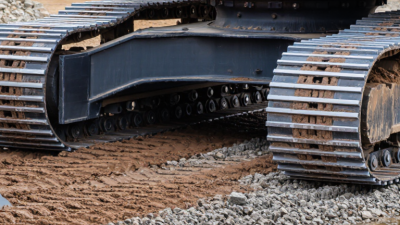
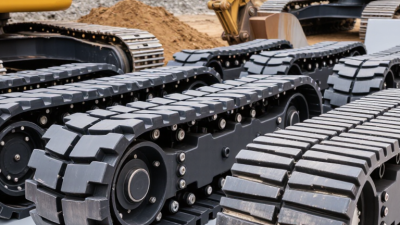
Steel excavator tracks are articulated chains, not solid belts. Each track combines linked steel shoes, pins, and bushings. The shoes spread machine weight across the ground, while the links bend around the front idler and drive sprocket. When the sprocket turns, its teeth engage the track links and pull the excavator forward or backward. Rollers support the chain and guide it along the undercarriage.
The system works under shock, grit, and changing tension. Mud can pack between shoes; loose tracks may climb off their guides, while excessive tension accelerates wear. Inspection matters. Check for uneven shoe wear, damaged pins, and packed debris after work on rocky or wet ground. The USGS Mineral Commodity Summaries 2024 estimated global iron ore mine production at about 2.5 billion metric tons in 2023, while World Steel Association’s World Steel in Figures 2024 reported 1.89 billion metric tons of crude steel production. These figures describe the wider materials supply, not track quality. That distinction is easy to miss. Track life depends on steel treatment, component fit, operating surface, and maintenance—not on production totals alone. A practical selection starts with machine weight, shoe width, terrain, and the maker’s specified track dimensions.
| Topic | What It Is or Does | Typical Details | Buyer Considerations |
|---|---|---|---|
| How Steel Excavator Tracks Work | |||
| Steel track assembly | A continuous chain of linked steel components fitted around the excavator’s undercarriage. | Usually includes track links, pins, bushings, shoes, a drive sprocket, an idler, rollers, and a tensioning system. | Confirm that the complete assembly matches the machine model and undercarriage configuration. |
| Drive sprocket | Transfers power from the final drive to the track chain. | Sprocket teeth engage with the chain bushings as the sprocket rotates. | Check tooth profile and compatibility with the chain; worn sprockets can accelerate chain wear. |
| Track chain | Links the track shoes into a moving loop and carries load around the undercarriage. | Link count, pitch, pin dimensions, and bushing dimensions vary by machine. | Use the machine’s parts information or measure the existing assembly rather than estimating from operating weight. |
| Idler and rollers | The idler guides the track at the front; rollers support and guide it along the undercarriage. | Roller and idler designs differ across machine models and track systems. | Inspect these components when replacing tracks, since their wear condition affects tracking and service life. |
| Track tensioner | Applies tension to the track, commonly through a spring and grease-adjusted cylinder assembly. | Correct tension is specified for each machine and operating condition. | Follow the machine’s service manual for measurement and adjustment; excessive tension increases undercarriage loads. |
| Track shoes | Steel plates bolted to the chain that contact the ground and support traction. | Common profiles include single-, double-, and triple-grouser shoes, plus flatter options for selected surfaces. | Choose shoe width and profile for the ground, machine stability, and undercarriage clearance. |
| Track Selection and Comparison | |||
| Single-grouser shoes | Use one raised bar across each shoe to provide strong bite in suitable ground conditions. | Often selected for demanding excavation and earthmoving applications. | Can offer good traction, but may cause more surface disturbance than flatter or multi-grouser profiles. |
| Double-grouser shoes | Use two raised bars to balance traction, turning, and travel characteristics. | Available on selected excavator track systems. | Check availability and machine compatibility; this profile is not interchangeable with every shoe design. |
| Triple-grouser shoes | Use three raised bars to support maneuverability and reduce ground disturbance in many applications. | A common choice for general-purpose excavator work. | Consider the trade-off between surface protection and the traction required for the job. |
| Flat or low-ground-disturbance shoes | Provide a broader, less aggressive contact profile for selected sensitive or paved surfaces. | Application-specific designs are available; not all machines accept them. | Confirm that the shoe design is approved for the machine and appropriate for the surface and workload. |
| Track shoe width | Affects ground contact area, flotation, and overall machine width. | Widths vary substantially by machine; compact excavators may use narrower shoes than larger machines. | Wider shoes can reduce ground pressure but may increase stress on the undercarriage in hard or abrasive conditions. Verify the specified width. |
| Steel grade and heat treatment | Material and heat treatment influence wear resistance and toughness of track components. | Manufacturers use different steel specifications and hardening processes for links, pins, bushings, and shoes. | Ask for component material and quality documentation where required; avoid judging quality by appearance alone. |
| Track pitch | The distance between corresponding points on adjacent chain links. | Pitch is specific to the chain and must match the sprocket and other undercarriage components. | Do not select a replacement by pitch alone; confirm all fitment dimensions and the complete part specification. |
| Operating environment | Ground conditions affect traction, wear, and the suitable shoe configuration. | Rock, sand, clay, mud, demolition debris, and paved surfaces place different demands on tracks. | Match the track system to the primary application and consider any frequent changes in terrain. |
| Fitment verification | Checks that the replacement track assembly fits and works with the excavator. | Relevant details can include machine model and serial range, link count, pitch, shoe width, and chain and sprocket dimensions. | Confirm fitment using reliable machine documentation or a qualified supplier before ordering. |
| Inspection and maintenance | Routine checks help identify wear, damage, loose hardware, and incorrect tension. | Inspection frequency depends on the manufacturer’s guidance and operating conditions. | Keep undercarriage areas clear of packed debris and follow the machine manual for inspection, adjustment, and fastener torque. |
Note: Track dimensions and fitment specifications are machine-specific. Confirm the excavator model and serial range, undercarriage measurements, and manufacturer service requirements before purchase or installation.